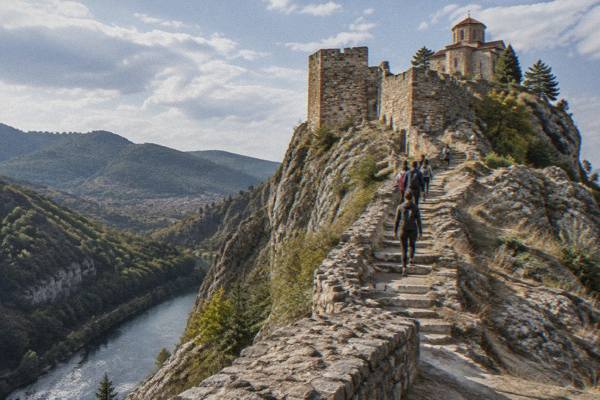
Tsepina Fortress And Peshtera Village
Tsepina Fortress stands in the Western Rhodopes near the town of Peshtera, a half-day hill outing from Plovdiv for travellers who want ruins, forest paths and quiet villages instead of another museum ticket.
Short answer
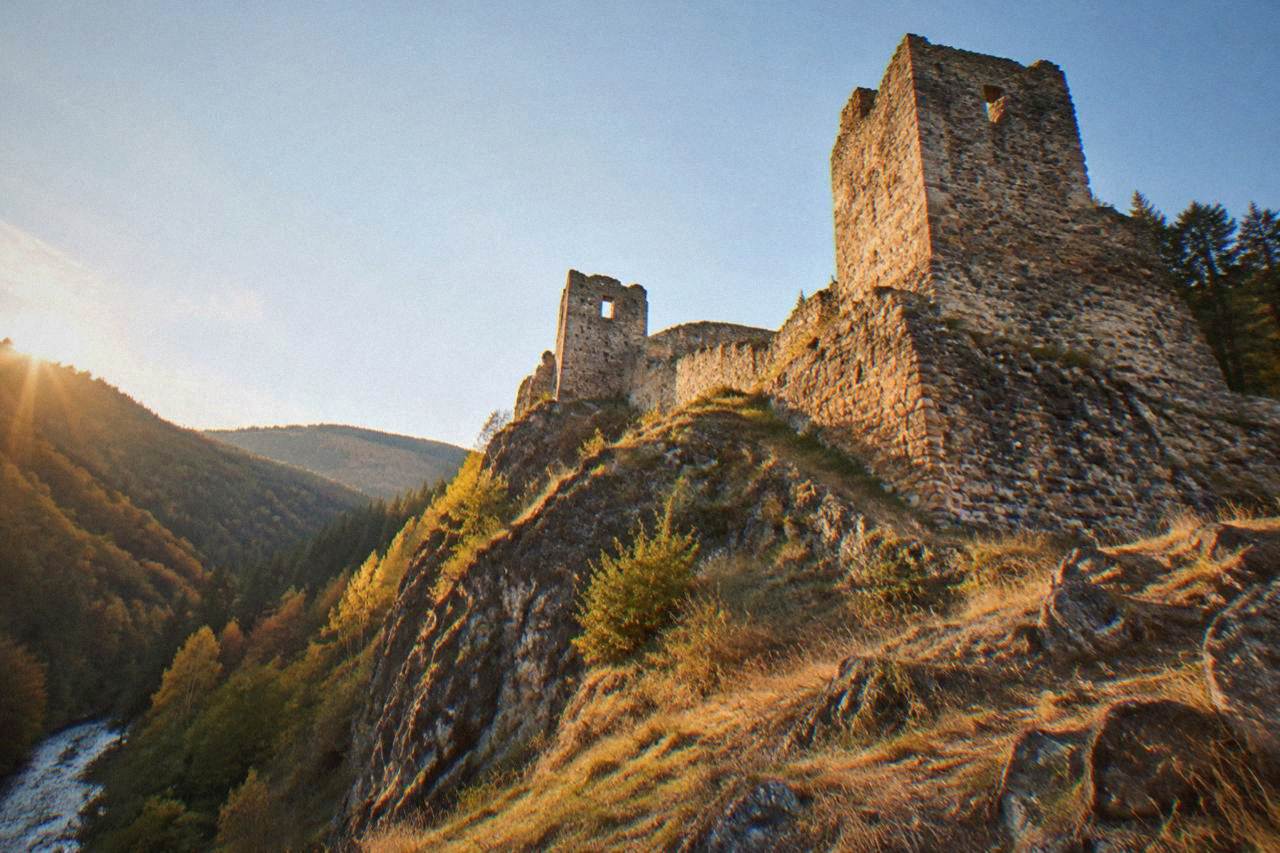
Tsepina is a medieval fortress site in the Rhodope Mountains near Peshtera, reachable from Plovdiv on a half-day or full-day loop. No opening hours, entry fee or direct transport detail for the site is published in official sources, so plan around Peshtera and the Rodopi bus station, and confirm locally.
The road south out of Plovdiv bends into the Rhodopes within an hour of the city limits, and one of the quieter rewards of that bend is Tsepina Fortress, a ruined medieval stronghold above the Chepinska valley near the town of Peshtera. Plovdiv, Bulgaria's second-largest city, sits at the northern foot of these mountains, which makes fortress-and-village loops like this one an easy contrast to the Roman stones and revival houses of the Old Town. Tsepina is not a ticketed attraction with a published schedule. It is an open hill site paired with a working Rhodope town, and that is exactly the point: the day is about the drive, the climb and the lunch, not a queue.
This page lays out what is and is not known about the site, how the journey from Plovdiv works in practice, what a realistic budget looks like, and which other Rhodope stops pair well, from Bachkovo Monastery to the Wonderful Bridges. Where a figure is not published, the page says so and moves on, because a fortress guide full of guessed opening times helps nobody.
What Is Tsepina Fortress And Why Does It Draw Travellers From Plovdiv?
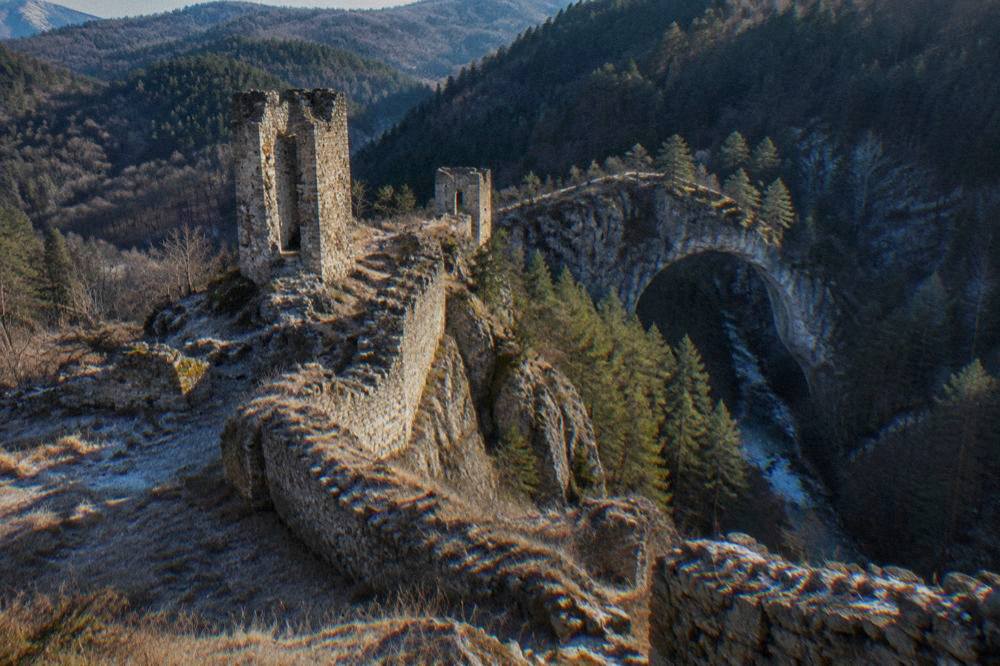
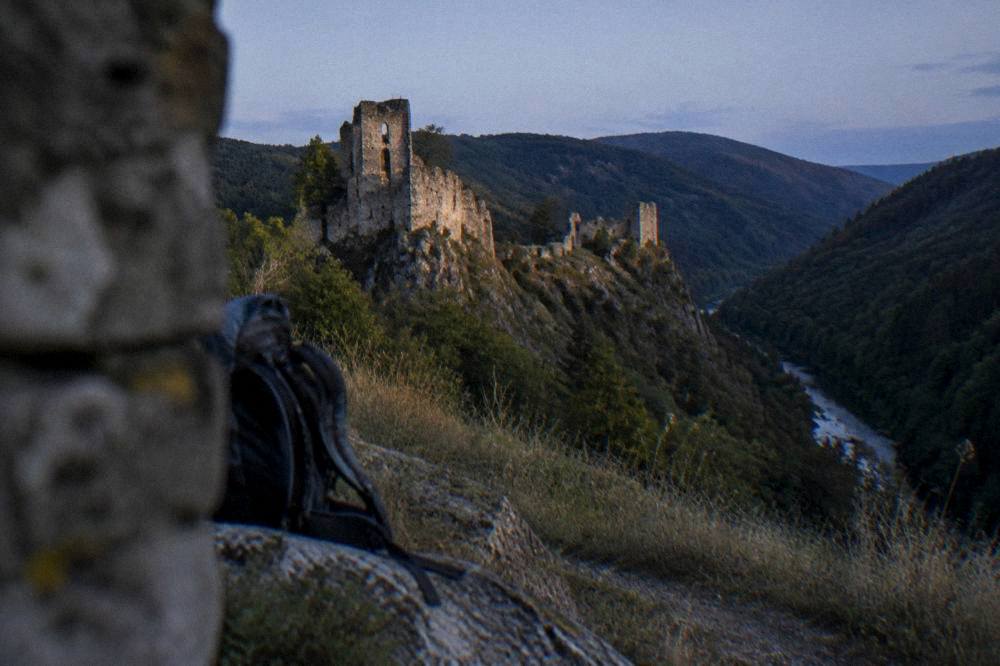
Tsepina is a medieval fortress site in the Western Rhodope Mountains, described in regional heritage accounts as a stronghold associated with Despot Alexius Slav, standing on a forested hill near the town of Peshtera south of Plovdiv. No official site page publishes its hours, entry terms or facilities, so the visit is planned as an open-air hill walk plus a town stop, and details are confirmed locally.
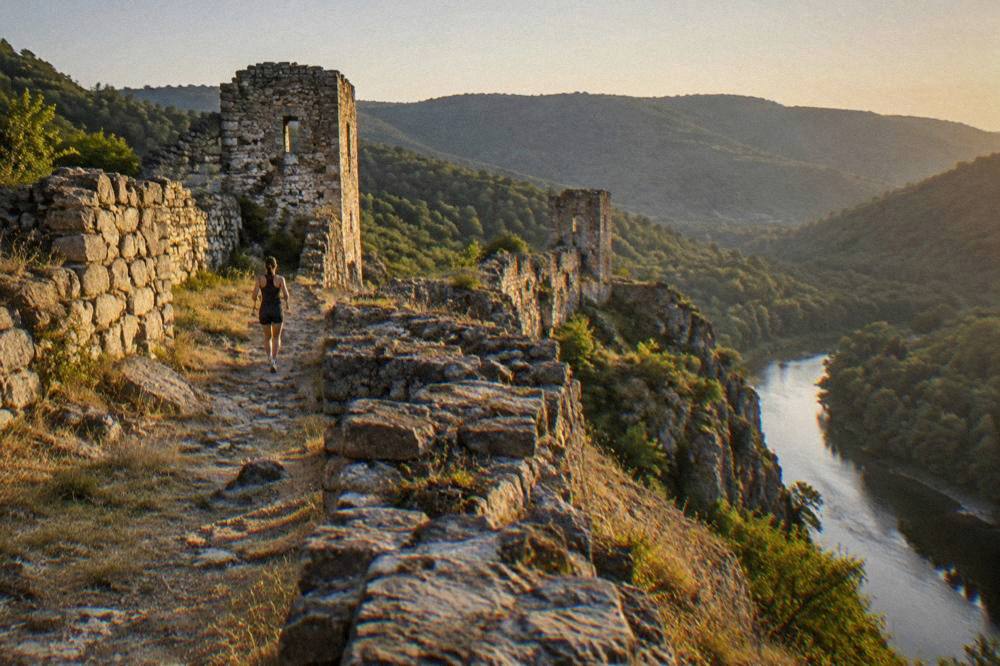
The fortress is usually presented as one of the Rhodope strongholds of the medieval Bulgarian kingdoms, holding a fortified acropolis, cistern remains and foundation walls rather than reconstructed towers. Heritage summaries link its name to Alexius Slav, a nephew of the tsar Kaloyan, who ruled a semi-independent domain in the Rhodopes. Treat those attributions as the regional consensus rather than as a museum label: no on-site interpretation is confirmed, and signage on rural Bulgarian monuments is thin even at better-funded sites.
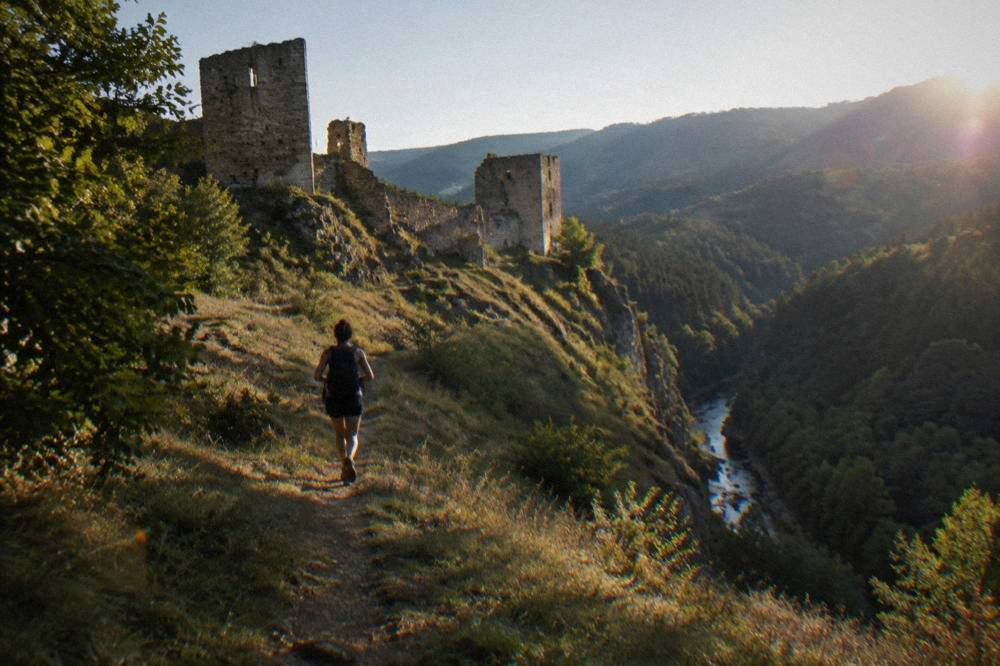
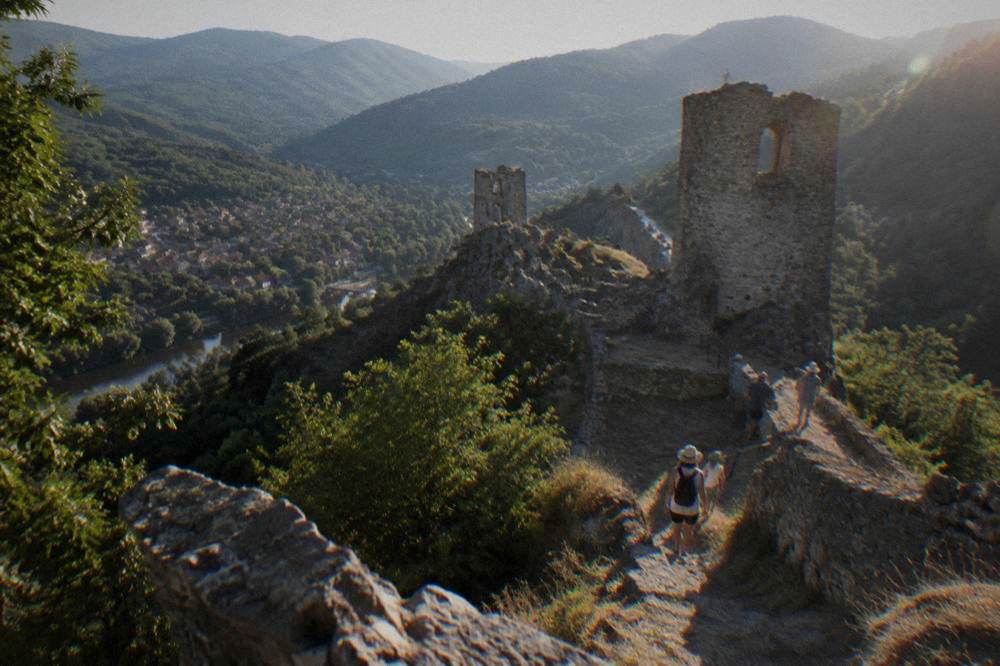
The hill itself is the real draw. The Rhodopes around Peshtera are soft, green and much quieter than the tourist corridor through Bachkovo and Asenovgrad, and the summit gives long views over the Chepinska valley and the ridges toward Batak. For a traveller basing in Plovdiv, the appeal is a half-day of walking with archaeology attached, the inverse of the Old Town's dense museum circuit.
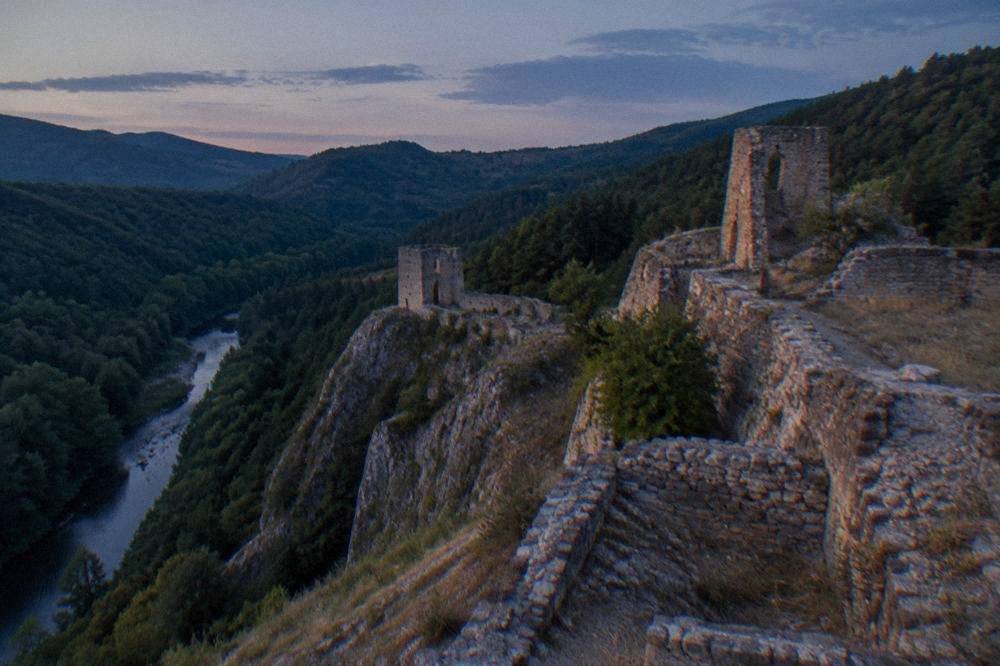
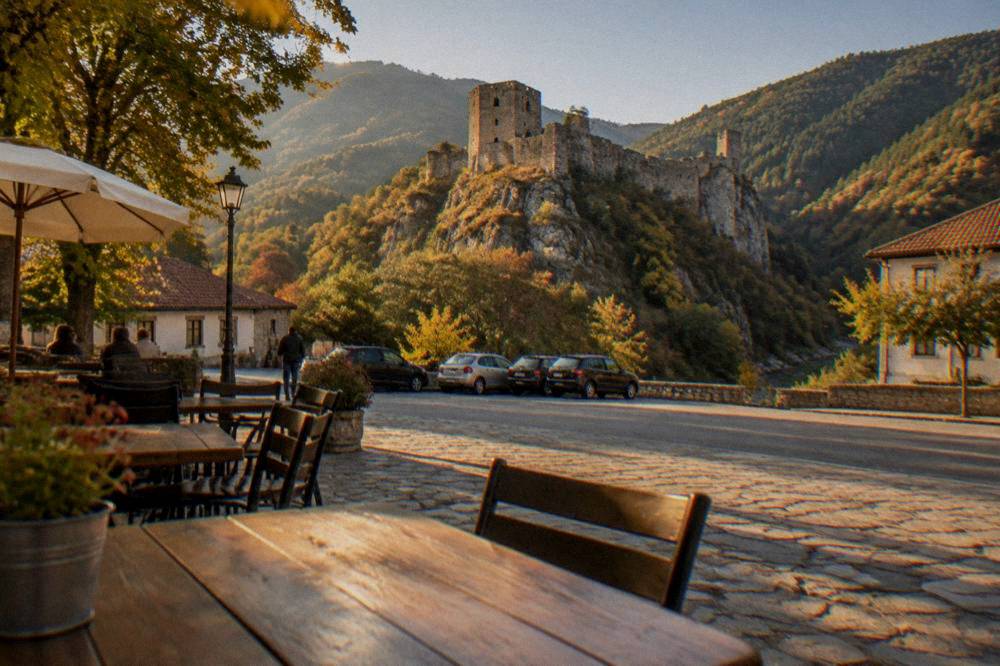
Peshtera, the base town, is a normal Bulgarian provincial town of a few tens of thousands of people, known locally for its springs and its position as a gateway to the western Rhodopes. It makes a sensible lunch stop, fuel stop and orientation point, and it neighbours Batak, whose reservoir and history make a natural second stop on a longer loop. Neither town is a headline attraction in its own right, so the honest framing is: come for the fortress hill, use the town for practicalities, and let the day breathe.
How Do You Get From Plovdiv To Peshtera And Tsepina Fortress?
Travellers reach Peshtera from Plovdiv by road heading south into the Rhodopes, either on local buses from Plovdiv's Rodopi bus station, the same station that serves the Smolyan and Bachkovo routes, or by rental car and taxi; the fortress site itself sits above the valley and is reached on foot from the surrounding village tracks. Neither the bus frequency nor the driving time for this exact route is published in official sources, so check the Rodopi station boards or a mapping service before committing to a schedule.
The Rodopi bus station on Macedonia Blvd is Plovdiv's hub for southern routes: it serves the Smolyan services, which run about 104 km in 2 to 2.5 hours, and the Bachkovo minibuses that take 35 to 45 minutes. Peshtera and Batak share that southern corridor, so the same station is the starting point, and rural Rhodope services thin out on Sundays. Buy at the kiosk, keep small euro notes, and treat the return time as the day's fixed anchor.
With a car, the logic is simpler. Plovdiv car rental desks cluster around the centre and airport approaches, the roads south are ordinary two-lane mountain roads, and the flexibility matters more here than on the Bachkovo run, because Tsepina's trailhead is not a bus stop. A taxi out and back is possible in principle, so agree the full round trip, waiting time included, before setting off.
Guided options exist for the Rhodopes generally, though no operator lists Tsepina itself as a headline stop: the small-group tours above cover the better-known fortress and monastery circuit, and the Rhodope-focused ones pass through comparable mountain scenery. If the aim is specifically the empty hill above Peshtera, self-drive or the bus-plus-walk approach is the reliable plan.
The final approach deserves a plain warning. Fortress sites like Tsepina are reached on unpaved tracks and footpaths through forest and meadow, waymarked to varying degrees. Footwear with grip, water, and a offline map of the trail area are the three things that decide whether the last kilometre is a pleasure or a slog. Confirm track conditions locally, in Peshtera or with your host in Plovdiv, especially outside summer.
What Does A Day From Plovdiv To Tsepina And Peshtera Actually Look Like?
A realistic shape is a half-day fortress outing or a full-day loop: leave Plovdiv in the morning, reach Peshtera, walk the fortress hill while the light is high, eat in town, then either return to Plovdiv or extend to Batak's reservoir or another Rhodope stop before evening. Nothing on the route is ticketed on a published schedule, so the itinerary flexes entirely around bus times or your own driving pace.
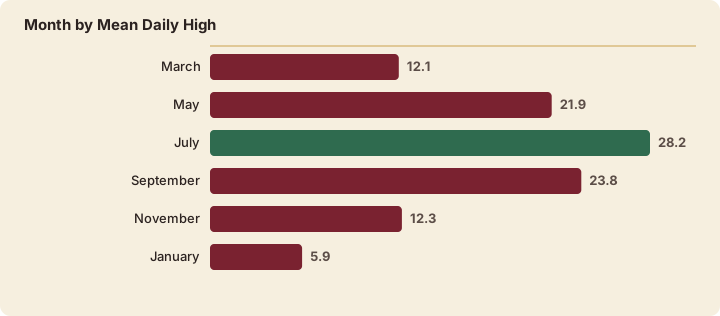
Morning departure matters more here than on city sights. The climb is exposed in places, and the midday Rhodope sun in July and August, when Plovdiv's ERA5 modelled mean daily high reaches 28.2 and 28.6 C, makes a late start harder. In shoulder months the same logic flips: short winter days and the chance of snow on ungritted tracks argue for starting early and finishing early.
For lunch, Peshtera's everyday restaurants serve the standard Bulgarian repertoire: shopska salad, grilled meats, banitsa in the morning. Crowd-data price levels for Plovdiv, an espresso around 2 euro and a mid-range three-course meal for two around 30 to 40 euro, give a fair proxy for a Rhodope provincial town, where prices run at or below city levels.
A full-day version pairs the fortress with a second stop. Westward, Batak and its reservoir add water and forest roads; further on, the Rhodope Mountains pages cover the deeper destinations like Devin and the Trigrad gorge. Eastward, the classic corridor runs through Asenovgrad, where Asen's Fortress clings to its cliff above the road to Bachkovo Monastery, about 30 km from Plovdiv with a small entry fee whose figure is not reliably published. Mixing Tsepina into that corridor in one day is ambitious; as a standalone loop with Batak it is comfortable.
When Is The Best Season For A Tsepina Fortress Trip From Plovdiv?
Late spring through early autumn, roughly May to September, is the sensible window for a Tsepina and Peshtera day from Plovdiv, because the walk is unshaded in parts and winter brings sub-zero nights and possible snow on the tracks; ERA5 reanalysis for the Plovdiv grid, 1991 to 2020, puts July and August mean daily highs at 28.2 and 28.6 C and January's mean daily low at minus 2.6 C, with May and March the wettest months at 56.8 and 55.0 mm of rain.
The table below is the modelled monthly picture for the Plovdiv grid cell; the Rhodope foothills a few hundred metres higher run a degree or two cooler and slightly wetter. Reanalysis smooths local extremes, so read it as a planning shape, not a forecast. The wider set of guides lives on Plovdiv Travel Guide.
| Month | Mean Daily High | Mean Daily Low | Rain |
|---|---|---|---|
| March | 12.1 C | 2.1 C | 55.0 mm |
| May | 21.9 C | 11.5 C | 56.8 mm |
| July | 28.2 C | 17.9 C | 45.6 mm |
| September | 23.8 C | 13.8 C | 42.8 mm |
| November | 12.3 C | 3.8 C | 39.7 mm |
| January | 5.9 C | -2.6 C | 41.0 mm |
May and June bring the greenest hills and the heaviest rain: a 56.8 mm May mean is mostly short afternoon downpours, but a wet track on a fortress slope is slippery, so carry a light shell. July and August are the reliable-weather months and the busy ones in Plovdiv itself, though "busy" at Tsepina means meeting another couple on the trail, not a crowd. September is arguably the sweet spot, with a 23.8 C mean high and thinner tourist traffic across the region.
Winter visits are possible in principle but change the character entirely. January's minus 2.6 C mean low, snow cover on unmaintained tracks and short daylight make this a trip for locals and confident drivers rather than a day trip. If a winter Rhodope outing appeals, the regional pages on Plovdiv in winter and the lowland alternatives make better planning starts.
How Much Does A Plovdiv To Tsepina And Peshtera Day Trip Cost?
The cash outlay is small and mostly unplannable in advance: no entry fee for the fortress is published in any source consulted, local buses from Plovdiv cost under a few euro each way by Rhodope service standards, a town lunch runs at Plovdiv price levels of roughly 2 euro coffees and a 30 to 40 euro three-course meal for two by crowd data, and the main costs to budget are transport and food, with car hire or a tour adding the only significant line.
The honest cost table below separates what has a figure from what does not. Where a cost has no number, the cell says so, and that is the figure you should respect when planning.
| Item | Planning Figure | Basis |
|---|---|---|
| Tsepina Fortress entry | None published; confirm locally | No official listing found |
| Plovdiv city bus to Rodopi station | 0.50 euro e-ticket | Municipal e-ticket fare |
| Peshtera lunch, per couple | About 30 to 40 euro for three courses | Plovdiv crowd-data levels |
| Coffee in Peshtera | About 2 euro | Crowd data for Plovdiv |
| Bachkovo Monastery, if added | Free entry | Operator and tourism listings |
| Koprivshtitsa houses, if added | About 10 euro combined | Tourism listings |
One caution keeps the budget honest: a tourist tax may be added to accommodation bills, but its 2026 rate is not confirmed, so confirm at booking rather than trusting any number quoted online.
For travellers who prefer the logistics solved, a guided day changes the cost structure: tour prices render on the operator listings rather than in prose here, and the guided options in this article cover the fortress-and-monastery circuit and the Rhodope highlights. What a tour buys on this route is the mountain driving and the scheduling; what it cannot buy is Tsepina itself on a set list, since no operator includes it by name.
Which Other Rhodope Day Trips From Plovdiv Pair With Tsepina And Peshtera?
The natural pairings are Batak and its reservoir next to Peshtera, the Asenovgrad corridor with Asen's Fortress and Bachkovo Monastery to the east, and the deeper western Rhodope destinations such as the Wonderful Bridges, Devin and the Trigrad gorge, all reachable from Plovdiv as day trips by car, bus or small-group tour; Tsepina fits best as the quiet leg of a two-stop loop rather than the centrepiece of a packed itinerary.
Asen's Fortress on the eastern side makes an easy pairing. Book a fortress hike with breakfast here.
| Day Trip From Plovdiv | Distance Or Time In Pack | Entry Cost | Character |
|---|---|---|---|
| Bachkovo Monastery | About 30 km; minibus 35 to 45 min | Free | Working monastery, frescoes, crowds on weekends |
| Asen's Fortress | Near Asenovgrad on the Bachkovo road | Small fee, figure not published | Cliff fortress, dramatic short climb |
| Batak | Neighbouring Peshtera, same southern corridor | Confirm locally | Reservoir, forest roads, sombre history |
| Wonderful Bridges | Rhodope interior, tour-served | Confirm locally | Rock arches, gorge walking |
| Koprivshtitsa | Northwest, past Hisarya direction | Six house museums about 10 euro combined | Revival-era town, museums |
Bachkovo deserves its explanation, since it anchors the related tour on this page. The monastery is about 30 km from Plovdiv, minibuses from the Rodopi station cover it in 35 to 45 minutes, entry is free, and it remains a working monastery, so dress modestly and expect active worship spaces rather than a pure museum. The Bachkovo, Asen Fortress and Bridges tour strings it together with the cliff fortress and the rock bridges in one guided day, which suits travellers without a car.
The Wonderful Bridges route doubles as a food day: Rhodope cuisine has its own register of slow-cooked dishes and potato-based specialties, and the small-group tour above pairs the arches with a meal. For independent travellers, the same logic applies to Peshtera itself: eat in town after the fortress walk rather than rushing back to Plovdiv.
What Should You Pack For The Plovdiv To Tsepina Fortress Walk?
Pack for a half-day hill walk rather than a city stroll: grippy shoes for unpaved tracks, a sun hat and water for the exposed sections, a light rain shell for afternoon showers in the green months, and a offline map of the trail area plus cash in small euro notes for Peshtera's shops and any rural bus, with a warm layer added outside the May to September core season.
The fortress hill is not an engineered attraction. There are no confirmed facilities at the site: no published toilets, water point or kiosk, so everything for the walk comes from Peshtera. Phone signal in the Rhodope valleys is patchy between ridges, which is the practical reason an offline map outranks a paper one only if it is downloaded before leaving Plovdiv's wifi.
Season tilts the list sharply. From May to September the sun and the afternoon-storm pattern dominate; from November to March, with modelled mean highs of 12.3 and 5.9 C and lows below zero, the list becomes a winter walking kit and the trip itself becomes conditional on road and track conditions. In every season, confirm the track situation with someone local, because unverified rural paths change after weather.
One small cultural note rounds out the kit. Bulgaria's language is Bulgarian, written in Cyrillic, and rural Rhodope towns operate in it: a translation app and a few words of greeting smooth every transaction from the bus kiosk to the lunch order. Tips of about 10 percent in restaurants are the norm for good service, rounding up is fine, and nothing on this route expects more.
Travellers fitting Tsepina into a longer stay can slot it as the mountain day of a three-day Plovdiv itinerary, keeping the Old Town, Nebet Tepe and Kapana for the city days and saving the hills for clear weather. That is the real strength of this trip: it costs little, it depends on no timetable, and the worst outcome is a long lunch in a quiet Rhodope town.
Common Questions About Tsepina Fortress And Peshtera From Plovdiv
Is Tsepina Fortress open to visitors?
No published hours or entry terms exist in official sources. It is treated as an open-air hill site reached on foot, and visitors should confirm access conditions locally in Peshtera or with their host in Plovdiv.
How far is Tsepina Fortress from Plovdiv?
The site sits in the Western Rhodopes near Peshtera, south of Plovdiv.
Is there an entry fee for Tsepina Fortress?
No fee is published in any source consulted. Rural Bulgarian fortress sites are often free and unfenced, but confirm locally rather than assuming.
Can you visit Tsepina by public transport from Plovdiv?
Partly. Buses from Plovdiv's Rodopi bus station serve the southern Rhodope corridor including the Peshtera direction, but the fortress itself is reached on foot from tracks above the valley, and no timetable detail for this route is confirmed, so check the Rodopi station boards.
What else should you see near Peshtera?
Batak and its reservoir sit next to Peshtera on the same corridor. Further afield, the Asenovgrad corridor with Asen's Fortress and Bachkovo Monastery, about 30 km from Plovdiv, and the deeper Rhodope destinations like the Wonderful Bridges all make strong pairings.