Batak: The Reservoir Town In The Western Rhodopes
Batak sits in the Western Rhodopes west of Plovdiv, a small town known for its reservoir, its museum of national history and its role in the April Uprising. This guide sets out what the region offers and how to plan the drive from Plovdiv.
Short answer
Batak is a small town in the Western Rhodopes, reachable from Plovdiv on a road that runs west past Peshtera. The town pairs a large mountain reservoir with a national history museum, and it works best as a half-day stop combined with Peshtera, Tsepina Fortress or a longer Rhodopes loop. No entry prices or opening times for the Batak sites were confirmed, so check locally before setting out.
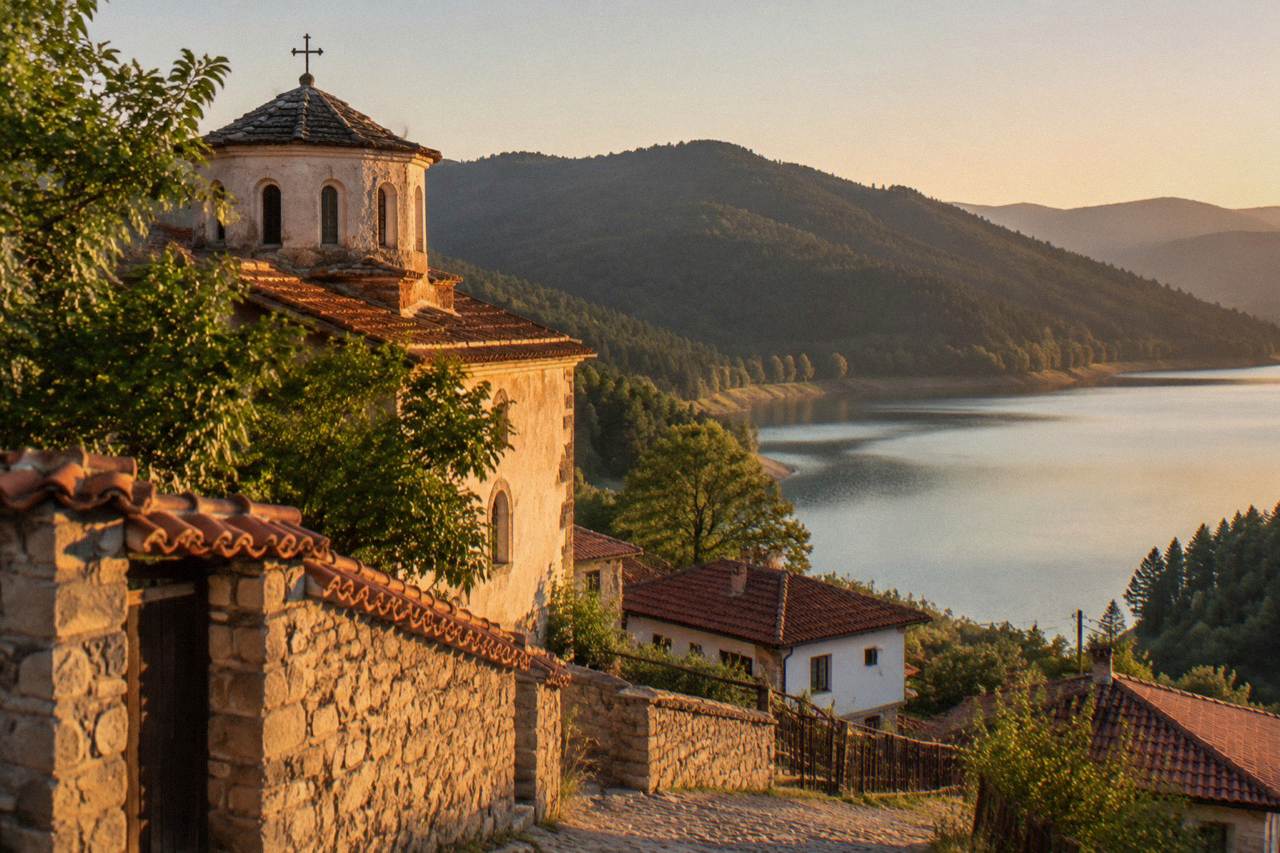
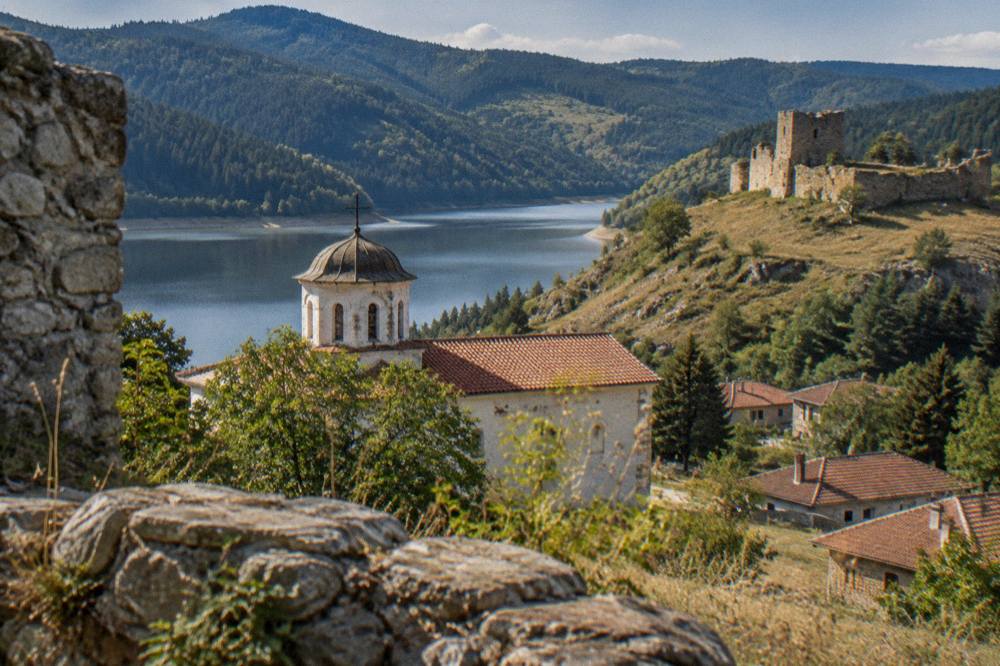
Batak is a small town in the Western Rhodopes, the section of the mountain range that lies west and south of Plovdiv, and it gives a Plovdiv-based traveller two things the city cannot: a large blue reservoir held back by a dam among forested hills, and a museum of national history that tells one of the defining stories of modern Bulgaria. The town sits inland in southern Bulgaria, reached by road through the foothill country beyond Peshtera, and it is usually visited as a half-day stop or as part of a wider loop through the Rhodopes. The planning advice below leans on the surrounding region and on the structure of the drive itself.
Plovdiv, for orientation, is Bulgaria's second-largest city, built around six hills and often described as one of the oldest continuously inhabited cities in Europe. Batak belongs to the same broad travel region: the Rhodopes, the mountain range that rises immediately south of the Thracian plain. The range holds several of the site's other day-trip pages, from Wonderful Bridges and the Central Rhodopes to Smolyan and Pamporovo, and Batak marks the western gate of that country.
Where Is Batak Relative To Plovdiv?
Batak lies in the Western Rhodopes, west-southwest of Plovdiv, reached by road through the town of Peshtera, with the route continuing into the high Rhodopes towards Devin and the dam country of the upper Vacha valley. The drive crosses the foothills where the Thracian plain gives way to pine ridges, and the reservoir sits just above the town.
The practical shape of the trip is straightforward. From Plovdiv you head towards Peshtera, the last sizeable town on the plain's edge, and from there the road climbs into the mountains to Batak. The same corridor continues deeper into the range: Tsepina Fortress and Peshtera is the natural companion page, and beyond Batak the road network links towards Devin and the dam reservoirs of the interior. That makes Batak less a single destination and more the first real mountain stop on a western Rhodopes route.
What the town is known for, beyond the setting, is history. Batak gave its name to one of the tragic episodes of the April Uprising, the revolt that shaped international opinion ahead of the Russo-Turkish War and Bulgarian independence, and the town's museum of national history preserves that memory. The museum and the memorial church at its centre are the town's principal sights. Plan to check opening hours for either locally, either through the town's information channels or at your accommodation in Plovdiv.
What Can You Actually See And Do In Batak From Plovdiv?
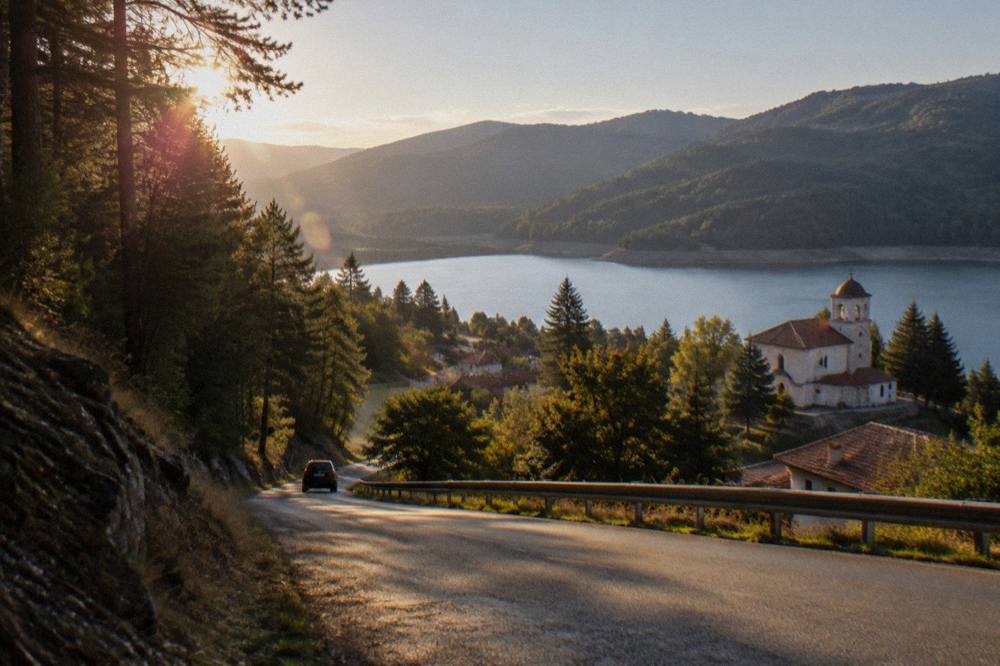
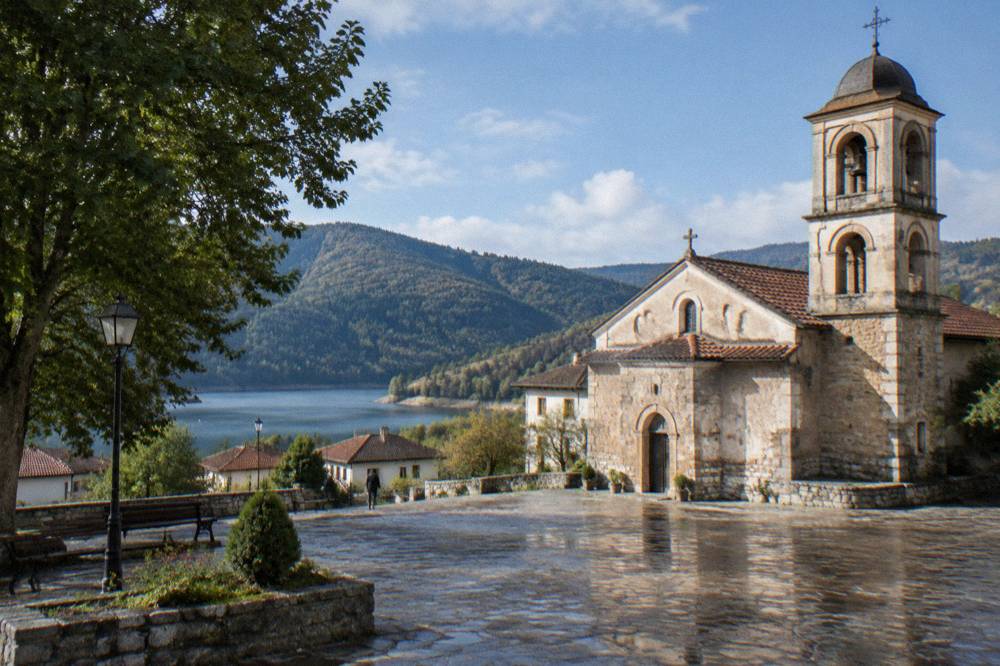
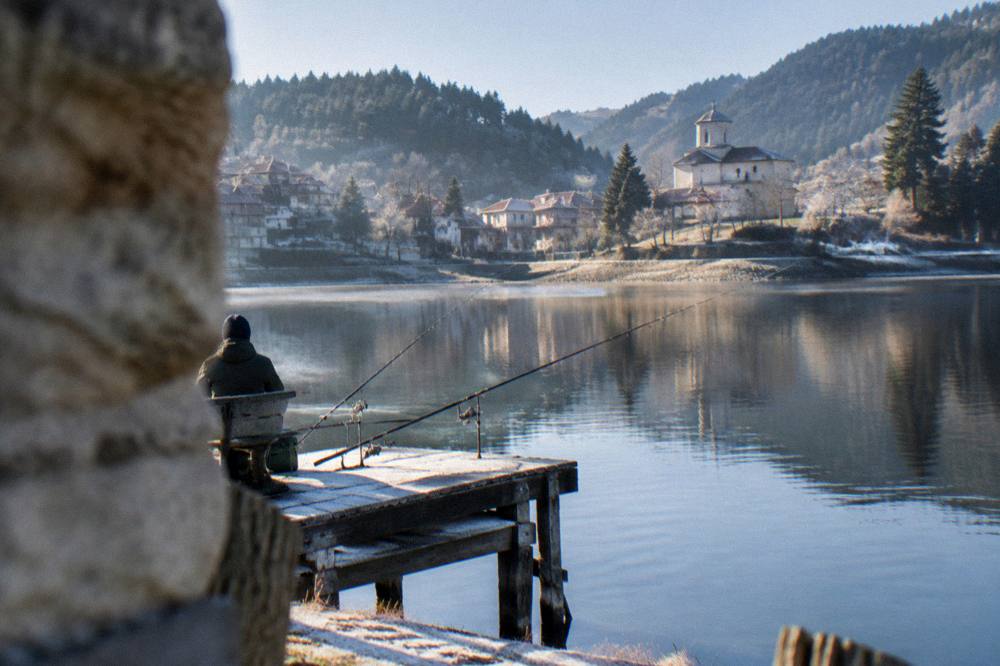
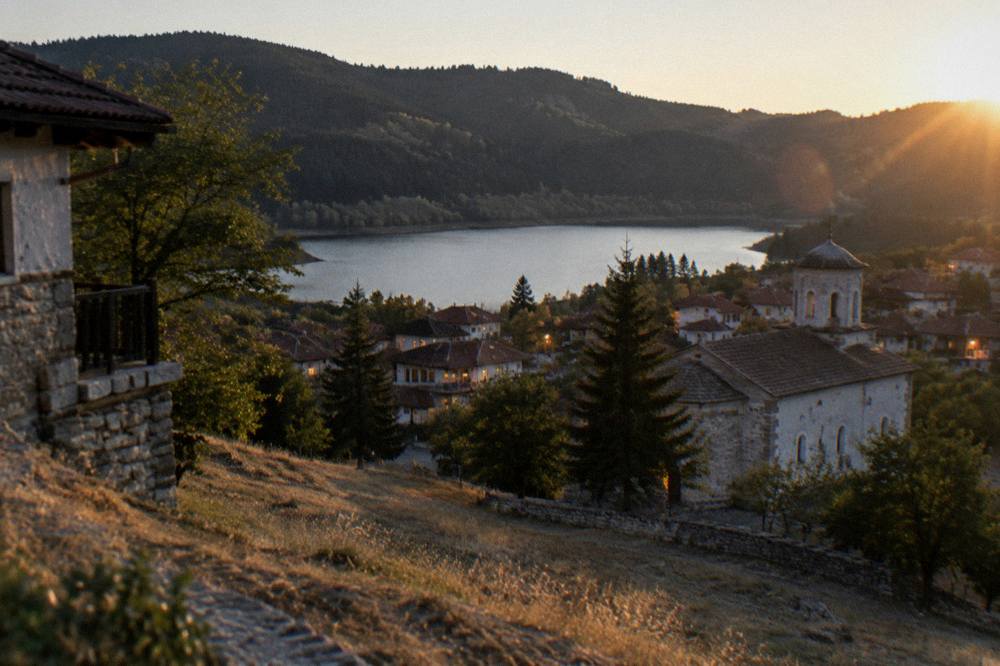
The core of a Batak visit is three things: the Batak Reservoir, a dam lake in the forest above the town used for walks, fishing and summer relaxation; the national history museum and memorial church in the town centre; and the surrounding Rhodope forest roads, which carry the route onwards to bigger mountain destinations. Together they fill a relaxed half day. Add a Peshtera stop on the way and the day is complete.
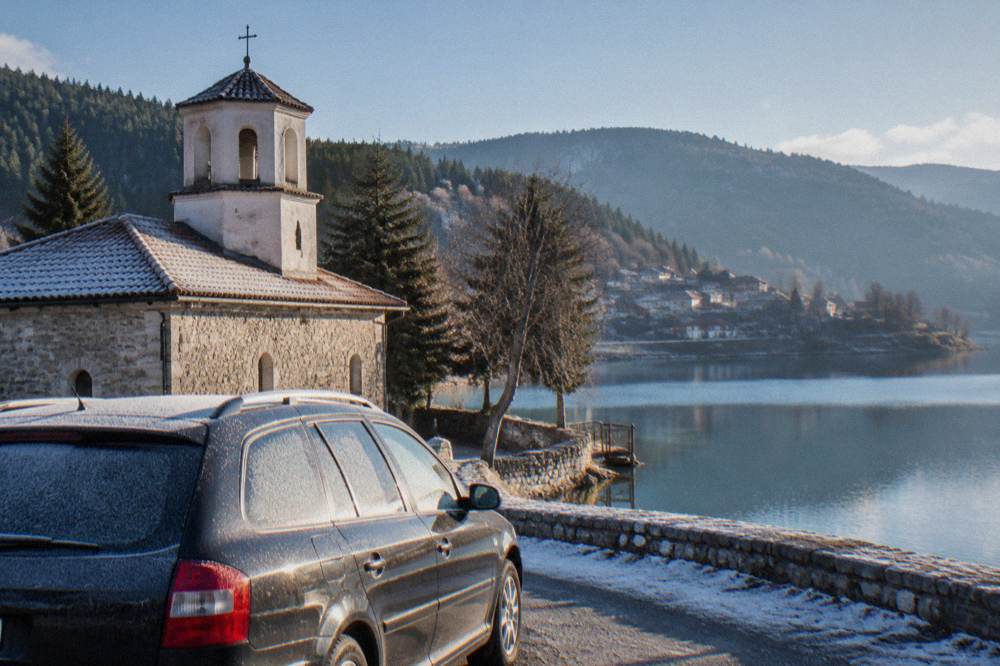
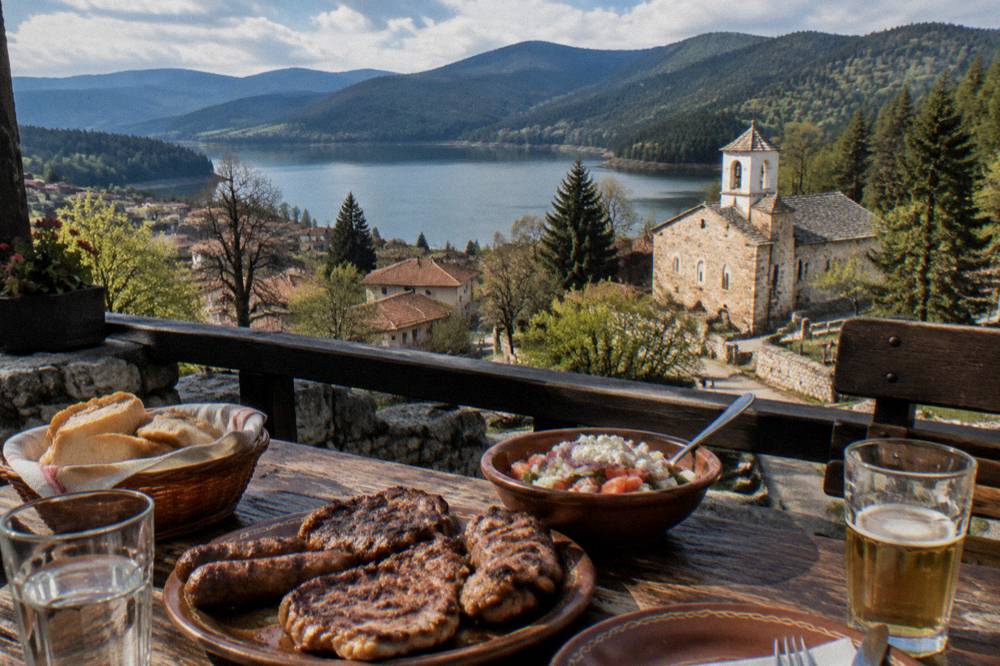
The reservoir is the town's recreational heart. Dammed water in a pine basin, it is the kind of place Bulgarians drive to in summer for the shore, the cool air and the grilled food, and in the shoulder seasons for quiet walking. Swimming is informal rather than lifeguarded, and the water is mountain-cold even in August: the ERA5 reanalysis, 1991-2020, puts the Plovdiv region's mean daily high at 28.6 C in August, and Batak, higher in the hills, runs cooler than that figure. Treat the lake as a walking and picnic destination with a paddle at your own discretion.
The museum and the church are the reason Batak appears in Bulgarian schoolbooks rather than only in hiking guides. Visitors should confirm opening times locally before counting on a visit, since municipal museums in smaller Bulgarian towns often keep short hours and close one day a week, a pattern seen in Plovdiv itself, where the Regional Ethnographic Museum closes on Mondays and the Regional Archaeological Museum keeps seasonal hours.
Beyond the town, the western Rhodopes reward the driver. Forest roads thread towards neighbouring reservoirs and villages, and the region as a whole is covered in the site's Plovdiv and the Rhodopes itinerary, which folds Batak-country drives into a multi-day plan. If you would rather not drive the mountain roads at all, the Rhodopes day tour from Plovdiv covers the range with someone else at the wheel.
How Do You Plan The Plovdiv To Batak Drive?
The route runs from Plovdiv through Peshtera and up into the hills to Batak, on the region's main western Rhodope road corridor, with fuel, shops and services concentrated in Peshtera as the last plain-edge town. Plan generously for drive times: the mountain legs are slower than plain driving, and the return to Plovdiv after dark should be avoided on unfamiliar roads.
A sensible structure for the day is to leave Plovdiv in the morning, stop in Peshtera on the way up, reach Batak around midday, spend the afternoon between the museum and the reservoir shore, and return before dusk. Winter changes the calculation. The hills hold snow, and the region's January mean daily low, per the ERA5 reanalysis, 1991-2020, sits at -2.6 C even down at Plovdiv's elevation, so higher roads can be icier than the plain. From late spring to early autumn the same drive is at its easiest.
For orientation within Plovdiv before you go, the practical departure points are described in the site's guide to getting around Plovdiv and the Plovdiv bus stations page; regional buses towards Peshtera and the southern towns use the Rodopi station on the south side of the city, the same station that serves the confirmed Bachkovo Monastery minibus route. Ask at the station whether a direct Plovdiv to Batak service runs if you are not driving.
| Route in the region | Figure | Notes |
|---|---|---|
| Sofia to Plovdiv, direct BDZ train | 2 h 40 to 3 h 05 | Via Karlovo trains take far longer |
| Sofia to Plovdiv, bus | 1 h 45 to 2 h 20 | To Plovdiv Yug station |
| Plovdiv to Bachkovo Monastery | about 30 km | Minibuses from Rodopi station, 35 to 45 min |
| Plovdiv to Smolyan | about 104 km | Buses from Rodopi station, 2 to 2.5 h |
| Plovdiv Airport to centre | about 12 to 14 km | Southeast at Krumovo |
Batak's own leg is not on that list because no figure for it was confirmed, which is itself useful planning information: whatever a mapping app says, pad it.
What Does A Batak Day Cost From Plovdiv?
The confirmed costs of a Batak day are low: the reservoir and the town streets are free open spaces; for the museum, assume a small municipal-museum tariff and confirm on arrival. Fuel or bus fare for the round trip is the main variable.
The honest answer is that Batak is a cheap day out with one unknown, the museum ticket, and that unknown should be small. For scale, prices for the wider region are tabulated below. Everything else covered here is indexed on Plovdiv Travel Guide.
| Item | Price (euro) | Status |
|---|---|---|
| Bachkovo Monastery entry | free | Reported, working monastery |
| One Old Plovdiv site, adult (Ancient Theatre etc.) | 3.58 | Official price list |
| Old Plovdiv combined ticket, up to 5 sites, adult | 10.74 | Official price list |
| Bishop's Basilica, adult | 7.57 | Official price list |
| Koprivshtitsa six house museums, combined | about 10 | Reported |
Food on the road follows the same pattern. The mehanas of the Rhodope foothills serve grilled meats, kavarma clay-pot stews and the range of dishes described in the site's Bulgarian food pages, at prices closer to village than to capital-city levels. Crowd-data figures for Plovdiv, which are only approximate, put an espresso at around 2 euro and a mid-range three-course dinner for two at around 30 to 40 euro, and the mountain towns generally sit at or below city levels. Tipping follows the national norm of about 10 percent in restaurants for good service.
When Is The Best Time Of Year To Visit Batak From Plovdiv?
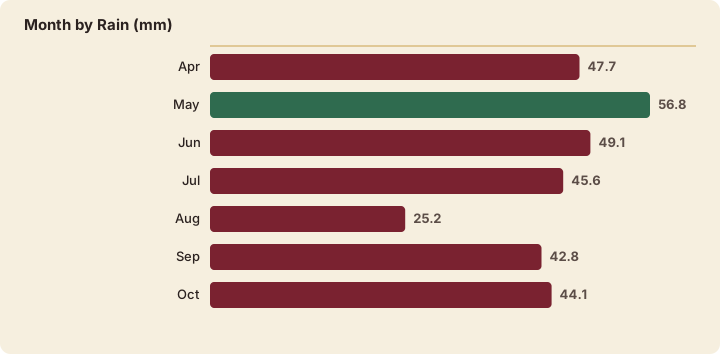
Late spring through early autumn, May to September, is the comfortable window for the reservoir and the forest roads: the ERA5 reanalysis, 1991-2020, shows regional mean daily highs climbing from 21.9 C in May to 28.6 C in August, with the hills running cooler than the plain. Winter, December to February, suits the museum and the snow scenery but demands winter driving care. Note that May, not a winter month, carries the highest modelled rainfall, 56.8 mm, so pack for showers either side of summer.
The monthly picture, modelled for the Plovdiv grid cell and labelled as ERA5 reanalysis, 1991-2020, reads as follows. Batak, several hundred metres higher, will skew a degree or two cooler by day and noticeably cooler at night.
| Month | Mean daily high (C) | Mean daily low (C) | Rain (mm) |
|---|---|---|---|
| Apr | 17.1 | 6.4 | 47.7 |
| May | 21.9 | 11.5 | 56.8 |
| Jun | 25.9 | 15.4 | 49.1 |
| Jul | 28.2 | 17.9 | 45.6 |
| Aug | 28.6 | 18.1 | 25.2 |
| Sep | 23.8 | 13.8 | 42.8 |
| Oct | 18.1 | 8.8 | 44.1 |
Two seasonal notes follow from that. August is the month with the highest mean daily high and the lowest modelled rainfall, which is why the reservoir shore is busiest then. And the events calendar of the region anchors around Plovdiv rather than Batak: the Old Town festival days ran 16 to 23 September in 2026 and Kapana Fest's autumn edition ran across the first two weekends of October, both listed on the municipal tourism site, so a September or October Batak drive can be paired with a festival evening back in the city.
Can You Combine Batak With Other Stops On One Plovdiv Day Trip?
Yes, and combining is the better plan: Batak pairs naturally with Peshtera and the Tsepina Fortress ruins on the same road, or with a longer western Rhodopes loop towards Devin and the Trigrad gorge country, though the full loop deserves an overnight rather than a day.
Eagle's Eye and Devil's Throat Cave sit in that gorge country. Book a guided hiking day trip here.
The pairing logic is geographic. West and south of Plovdiv the options fan out along two corridors: the southeastern one towards Asen's Fortress and Bachkovo Monastery, where a small fortress entry fee exists but its current figure is unclear, so confirm on site; and the western one through Peshtera to Batak and beyond. Doing both corridors in one day means a lot of driving for little time at each stop, so pick one.
For travellers who want the mountain content without the planning load, booked day trips out of Plovdiv cover the range in several directions. One option runs to Koprivshtitsa on the north side of the mountains, a town of six house museums with a combined ticket of about 10 euro:
Another heads east into the Thracian plain's tomb country rather than the hills, which suits a day when the weather turns:
And a third keeps you in Plovdiv itself, useful on the evening before or after a long drive:
If you are building the day yourself, the table below stacks the site's Rhodopes-region day-trip pages against what each one offers, so you can see where Batak fits.
| Day-trip page | Region | What it offers |
|---|---|---|
| Batak (this page) | Western Rhodopes | Reservoir, national history museum, forest roads |
| Tsepina Fortress and Peshtera | Western Rhodopes | Fortress ruins, plain-edge town, natural pairing with Batak |
| Devin | Central Rhodopes | Spa town, springs, gateway to dam country |
| Wonderful Bridges | Central Rhodopes | Rock arch formation in forest |
| Smolyan and Pamporovo | Southern Rhodopes | Town, ski resort, planetarium |
| Bachkovo Monastery | Southeast of Plovdiv | Working monastery, free entry, about 30 km |
| Perushtitsa | Plain edge south | Wine village, history sites |
What Should You Know Before You Go To Batak From Plovdiv?
Three practical points matter: check Batak's museum and church hours locally before committing the day; the roads are mountain roads, slow and winding beyond Peshtera, worth a full daylight round trip; and Bulgaria's practical baseline applies, the euro since 1 January 2026, full Schengen membership since 1 January 2025, type C and F plugs at 230 V, and 112 as the emergency number.
A tourist tax may be charged by accommodation and its rate is not confirmed, so confirm at booking if you stay overnight.
Language is worth a sentence. Bulgarian is written in Cyrillic, and in a town the size of Batak English coverage is thinner than in Plovdiv's centre, so a translation app and a little patience go a long way. The Plovdiv language and phrases page carries the basics. Cash is still king in rural shops and small taverns even after the euro changeover, and card coverage should not be assumed at the reservoir's seasonal stalls.
For the wider trip design, the site's things to do in and around Plovdiv page is the root planner, and the Rhodope Mountains page sets the whole range in context. If your route out of the country runs north, Koprivshtitsa and eventually Sofia sit on the same half of the map as Batak's side of the mountains, which is why the Koprivshtitsa tour above appears on this page.
Common Questions About Batak And Plovdiv
Is Batak worth a day trip from Plovdiv?
For travellers with a car who want mountains, water and a serious piece of national history in one stop, yes. The reservoir and the museum together fill a half day, and the Peshtera corridor adds a second stop on the same road. Confirm museum hours locally before you commit.
How far is Batak from Plovdiv?
The route runs through Peshtera into the Western Rhodopes; check a mapping service on the day and pad its estimate for the winding mountain section.
What is Batak Bulgaria known for?
Batak is known for two things: the Batak Reservoir, a dam lake in the forest used for summer recreation, and the town's role in the April Uprising, commemorated in its national history museum and memorial church.
Can you swim in the Batak Reservoir?
Swimming there is informal, not lifeguarded, and the water is cold even in summer, since the town sits high in the Rhodopes where modelled regional highs reach 28.6 C in August on the plain below. Treat it as a walking and picnic spot with a paddle at your own discretion.
Is there public transport from Plovdiv to Batak?
Regional buses towards the southern towns use Plovdiv's Rodopi bus station, which also serves the confirmed Bachkovo Monastery minibuses, but confirm locally whether a direct Plovdiv to Batak service runs. Ask at the Rodopi station if you are not driving.
Does Batak have an entry fee?
The reservoir and town streets are free public spaces. No entry price for the Batak history museum was confirmed, so assume a small municipal tariff and check on arrival.
Batak rewards the traveller who treats it as a gateway rather than a checklist: one museum, one memorial church, one lake, and the road onwards into the western Rhodopes, all within a day's reach of Plovdiv. Confirm the museum hours, leave room in the schedule for the forest road itself, and the town earns its place on any southern Bulgaria itinerary.