Plovdiv Bus Stations: South, North And Rodopi
Plovdiv, in southern Bulgaria, splits its bus traffic across three stations: Yug for Sofia and long-distance routes, Sever for northern destinations and Rodopi for Bachkovo, Smolyan and the Rhodope mountain towns. This guide explains which station your journey needs and how to get from each one into the Old Town.
Short answer
Plovdiv has three bus stations. Yug (South) at 47 Hristo Botev Boulevard, next to the central railway station, handles Sofia and international services. Sever (North) at 2 Dimitar Stambolov Street serves northern routes. Rodopi at 1 Macedonia Boulevard is the one for Bachkovo Monastery, Asenovgrad and Smolyan in the Rhodopes.
Plovdiv, Bulgaria's second-largest city, sends its buses out from three separate stations, and using the wrong one is the single most common transport mistake visitors make here. The Yug (South) station and the central railway station sit side by side on Hristo Botev Boulevard, so arriving by train and leaving by bus barely involves a walk. The Rodopi station, across the river, is the one for the Rhodope mountains, and the Sever (North) station covers destinations on the far side of the plain. Pick the right one first and the rest of the day tends to run smoothly.
Where Are The Bus Stations In Plovdiv?
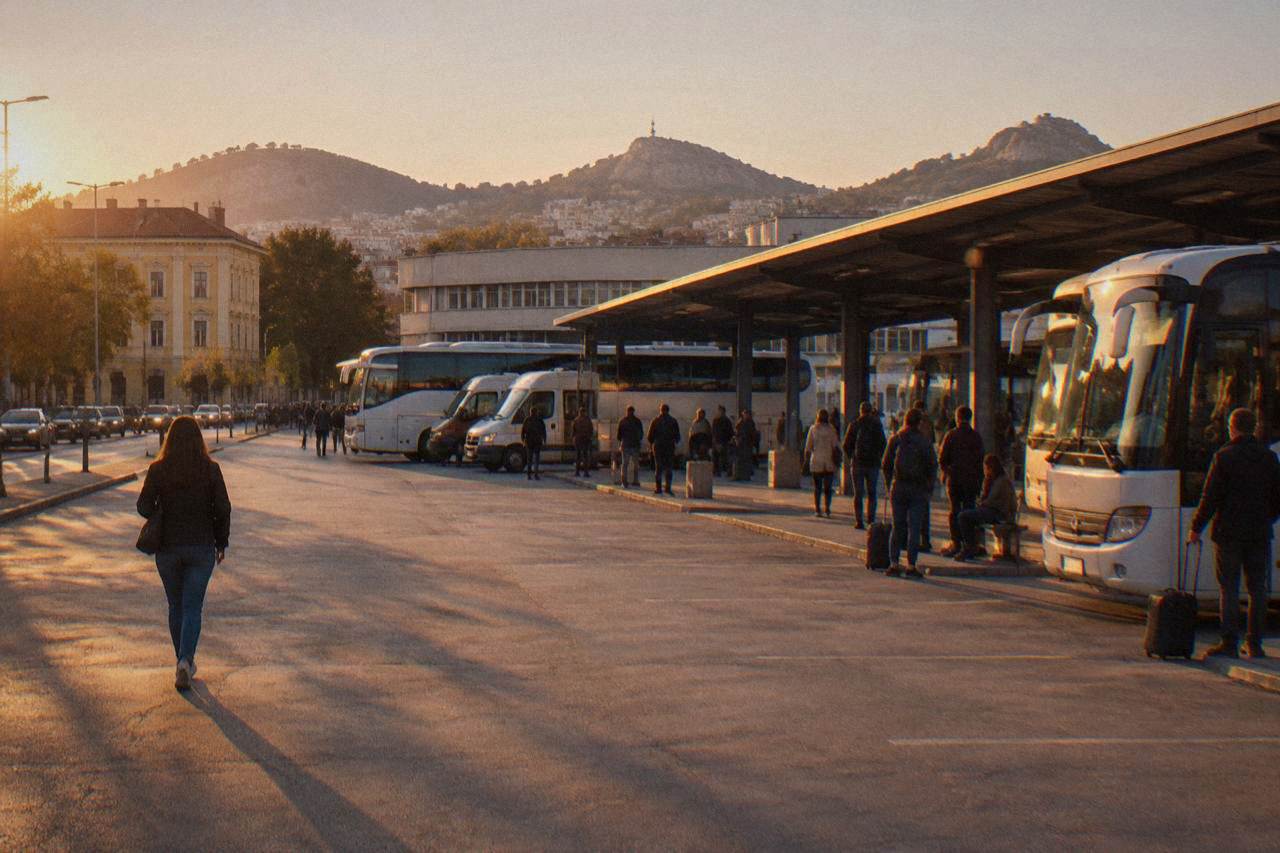
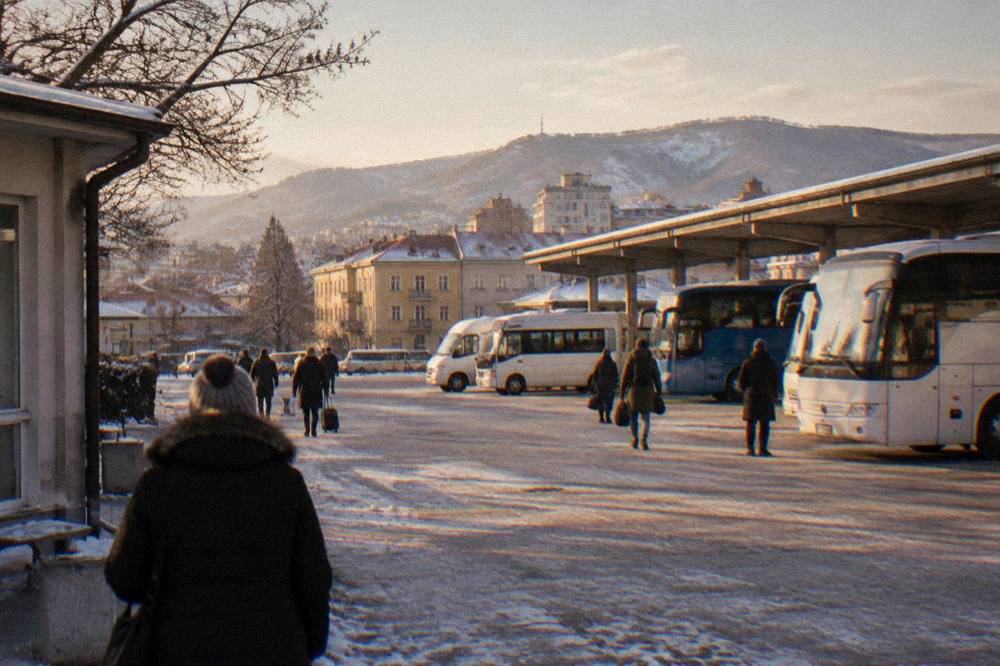
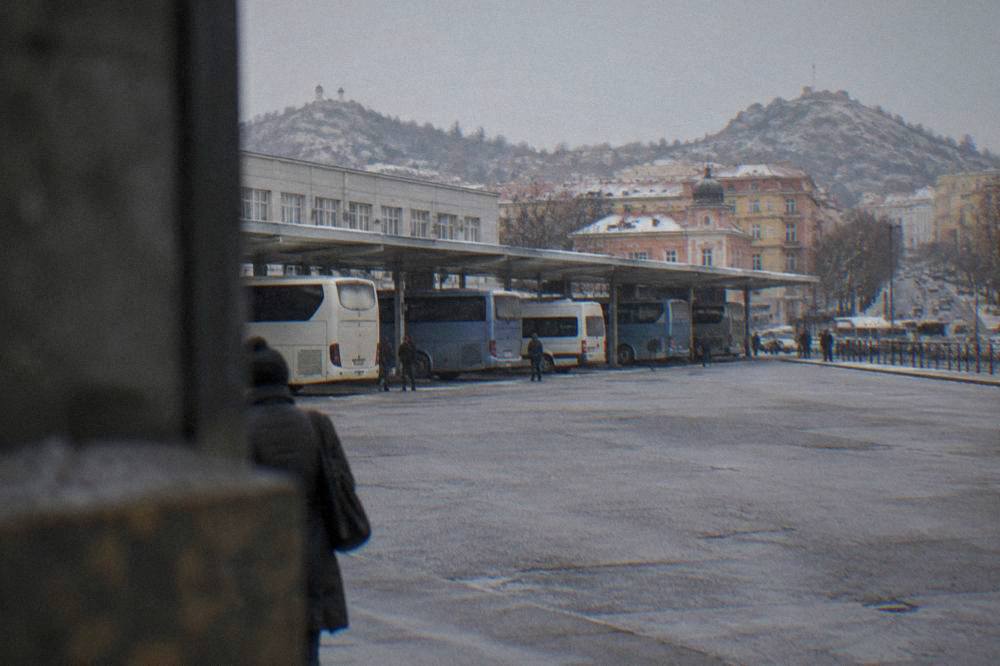
Plovdiv has three bus stations: Yug (South) at 47 Hristo Botev Boulevard, right beside the central railway station; Rodopi at 1 Macedonia Boulevard on the south bank of the Maritsa, serving Bachkovo, Asenovgrad and Smolyan; and Sever (North) at 2 Dimitar Stambolov Street, serving the northern routes. Yug is the station for Sofia and international services including the Plovdiv to Istanbul run.
The geography is simpler than it first looks. Yug and the railway station form one transport hub at the northern edge of the centre, described in detail in the Plovdiv train station guide. Rodopi sits about a kilometre south across the river, in the direction the mountain buses travel. Sever is east of the centre and the quietest of the three for tourists. Nothing on this page involves a sea crossing: Plovdiv is an inland city, and every route out of it runs overland.
One practical note colours everything else. The Plovdiv railway junction modernisation was reported 85 percent complete in November 2025 and is due to finish in 2026, so expect access changes around the rail and bus hub on Hristo Botev Boulevard while works continue. Allow a little extra time when a connection there matters.
| Station | Address | Serves | Key connections |
|---|---|---|---|
| Yug (South) | 47 Hristo Botev Blvd | Long distance and international | Sofia, Istanbul, other cities |
| Sever (North) | 2 Dimitar Stambolov St | Northern routes | Towns north of Plovdiv |
| Rodopi | 1 Macedonia Blvd | Southern and mountain routes | Asenovgrad, Bachkovo, Smolyan |
For the broader picture of arriving in the city by every mode, see the how to get to Plovdiv guide, and for moving around once you are inside it, getting around Plovdiv.
Which Plovdiv Bus Station Does Your Journey Start From?
Sofia services arrive at and depart from Yug, the South station, alongside the international routes. Bachkovo Monastery, Asenovgrad and the Rhodope mountain towns such as Smolyan run from Rodopi, the station across the river. Northern destinations use Sever. If your ticket just says "Plovdiv", it almost always means Yug, because that is where the long-distance operators stop.
The split by direction is consistent: north of the city, Sever; south into the mountains, Rodopi; everything else, Yug. For the Sofia run, operators including Union Ivkoni, Karat-S, Group Plus, Citylines and Traventuria depart Sofia Central Bus Station and arrive at Yug after roughly 1 h 45 to 2 h 20 on the road. Tickets on that corridor generally run about 6 to 9 euro, though fares move with the operator and the season, so treat the range as a planning figure rather than a promise.
Some Sofia Airport transfer services also run direct to Plovdiv, stopping at Sever or Yug, rather than forcing a change through Sofia's centre. If you are flying in, the Plovdiv Airport guide covers the small Krumovo alternative, whose route list includes London, Milan, Bratislava, Manchester, Birmingham and Belfast on the airport's own flight search.
Whichever station you land at, the city centre is not far. From Yug the Old Town is a walk of roughly twenty-five to thirty minutes along the main pedestrian axis, or a short hop on a city bus using the 0.50 euro e-ticket. From Rodopi, buses and a walk across the river bridge cover it. There is more on the city network in getting around Plovdiv.
Is The Bus Or The Train Better From Sofia To Plovdiv?
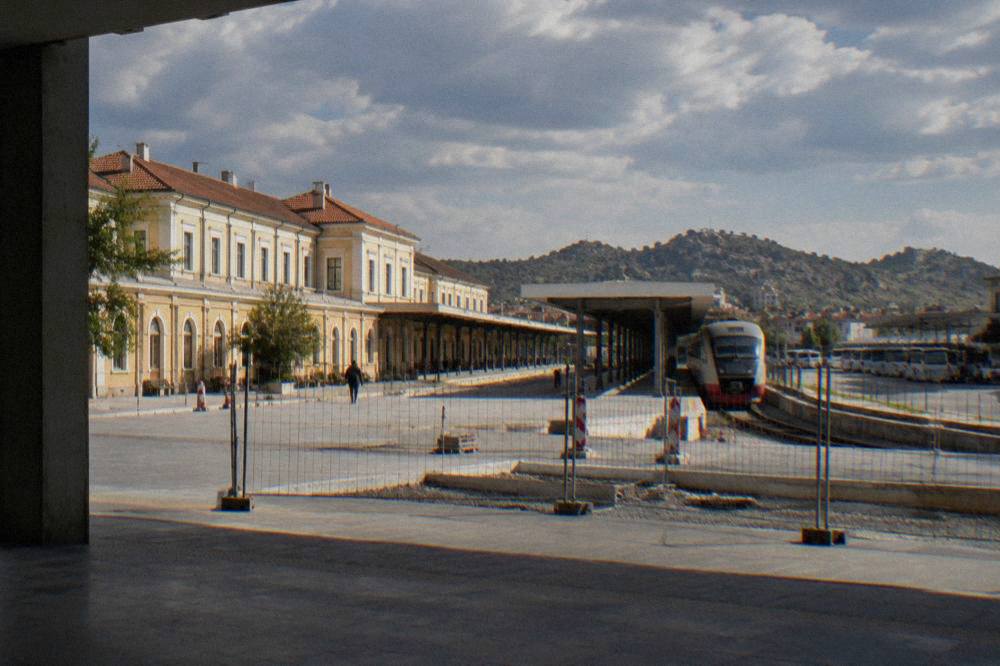
The direct BDZ train from Sofia takes about 2 h 40 to 3 h 05 and the bus about 1 h 45 to 2 h 20, so the bus is nominally quicker, but trains avoid road traffic and arrive beside Yug at the central railway station. Trains routed via Karlovo take 4 h 50 to 5 h 50 and are the ones to avoid.
The train timetable matters more than the averages. Direct fast services run several times a day from Sofia Central Station, and the full current list lives on the BDZ timetable page, which is the place to check before travelling because times change with the season. The bus corridor is more frequent and more competitive, with a cluster of operators selling from adjacent desks at Sofia Central Bus Station.
| Mode | Typical journey time | Typical fare | Arrives at | Watch out for |
|---|---|---|---|---|
| Direct BDZ train | 2 h 40 to 3 h 05 | Confirm at booking | Central railway station | Trains via Karlovo take 4 h 50 to 5 h 50 |
| Bus | 1 h 45 to 2 h 20 | about 6 to 9 euro | Yug bus station | Road traffic on the Trakia corridor |
The comparison, including what to do with a few spare hours in either city, is worked through in the dedicated Sofia to Plovdiv guide. And if your onward plan is Turkey rather than Bulgaria's capital, the long-distance bus corridor continues east: the Plovdiv to Istanbul page covers that route, where schedules and fares should be confirmed with the operator directly, since none is published in a fixed official form here.
Rather see Plovdiv without changing hotels? Book a Plovdiv day tour from Sofia here.
How Do You Get From The Bus Stations To The Old Town?
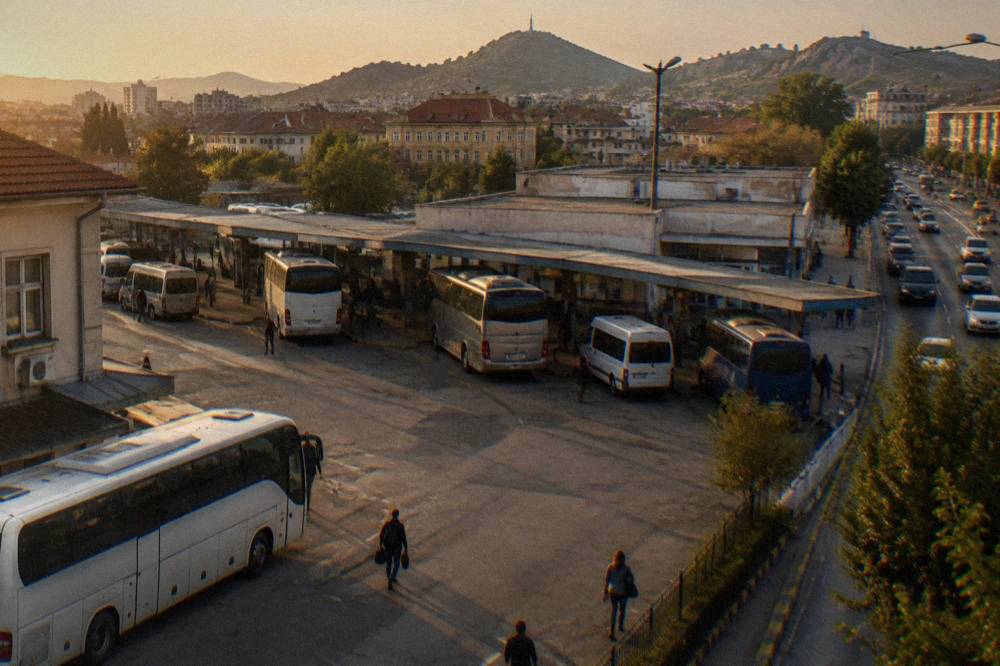
From Yug the Old Town is a flat walk of roughly twenty-five to thirty minutes up the main pedestrian street, or a short city bus ride costing 0.50 euro with an e-ticket. From Rodopi you cross the Maritsa by bridge, on foot or by bus, before climbing into the Old Town. From Sever the centre is a similar short bus ride west. None of the three stations is far from anywhere you would want to be.
Plovdiv is a compact city by big-city standards, and the three-station layout means you are always on the edge of the centre rather than stranded in a suburb. The walk from Yug runs straight along the pedestrian main street toward the Dzhumaya Mosque and the Roman Stadium sphendone, which is a good orientation walk in itself: the route passes straight through the modern centre, and the free sphendone viewing area sits on the way.
The city bus system uses an e-ticket priced at 0.50 euro since the euro changeover of 1 January 2026. A proposal reported in August 2026 to charge 1 euro for a paper ticket bought from the driver was only a concept, not an adopted rule, so confirm at the point of sale how the ticket machines on your particular bus behave. Ticketing details and route advice are collected in getting around Plovdiv.
Once you have dropped your bags, the things to do in Plovdiv page is the full index of the city, from the Ancient Theatre of Philippopolis to the Kapana creative district, whose name means "The Trap" for its maze of narrow streets.
How Do You Reach Bachkovo Monastery And The Rhodopes By Bus?
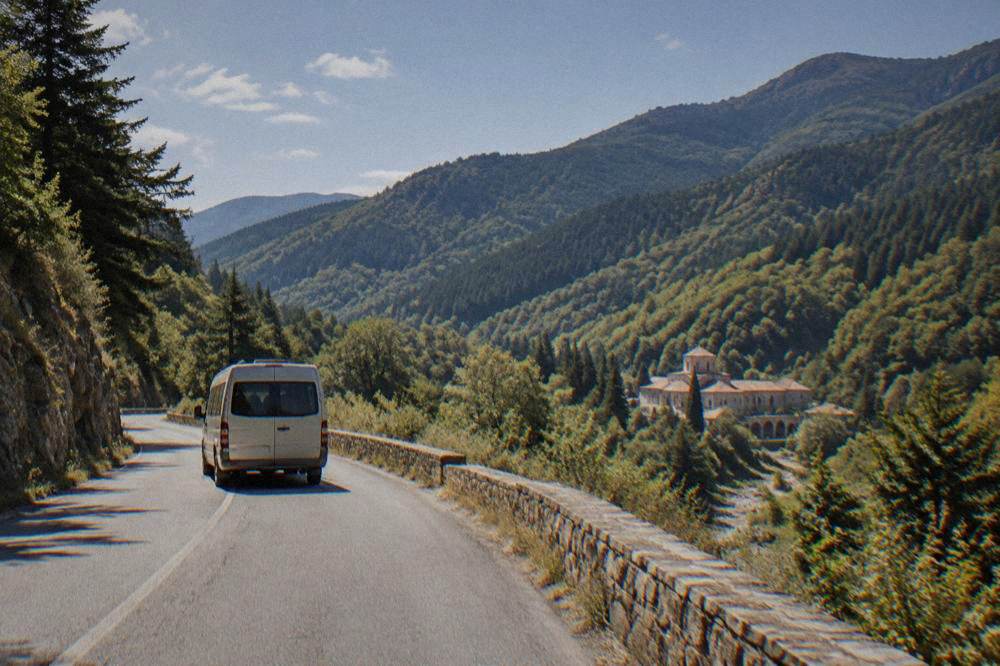
Bachkovo Monastery is about 30 km from Plovdiv, and minibuses to the Smolyan direction leave from the Rodopi station at 1 Macedonia Boulevard, reaching the monastery approach in roughly 35 to 45 minutes for a fare of about 3.60 euro. The same station serves Asenovgrad and the wider Rhodope network, including Smolyan, which is about 104 km away.
The Rodopi station is the mountain gateway. Smolyan-bound minibuses stop at the Bachkovo turn-off, from where the monastery is a short walk; the complex itself is a working monastery with free entry, reported across the listings, and it is covered in full in the Bachkovo Monastery guide. Asen's Fortress, on the cliff above Asenovgrad, is on the same corridor, though its entry fee is unclear across sources, so carry cash and confirm on arrival.
Deeper into the Rhodopes, public transport thins out. Trigrad and its gorge typically require a drive or an organised tour from Smolyan or Pamporovo, because direct public transport is limited. For that reason the Rhodopes day trip from Plovdiv pattern is popular: a guided day covers the monastery, the fortress and the mountain roads without a timetable. The region's full picture, including the Wonderful Bridges and the Trigrad caves, is in the Rhodope mountains guide.
Can You Do Plovdiv Day Trips Without Any Bus Station At All?
Yes: a growing set of guided day trips from Plovdiv collects passengers at their accommodation in the city, so no station, timetable or ticket desk is involved. Trips cover the Kazanlak Rose Valley and the Valley of the Thracian Kings, Bachkovo and Asen's Fortress, the Wonderful Bridges with Rhodope cuisine, and Starosel, among others. Each has its own page with the operator's live listing.
The trade-off is simple. Public minibuses to Bachkovo cost a few euro and run daily, but they bind your day to their return times. A guided trip costs more and buys a fixed itinerary with commentary, pickup and no navigation. For the Rose Valley, public transport from Plovdiv is awkward enough that a guided day is the realistic option: Kazanlak lies well north, and the Thracian tomb sites scattered across the valley are not walkable from any single bus stop.
Two more from the same roster show the range. The Old Town audioguide walking tour is a station-free way to spend your arrival afternoon inside the city, and the Bulgarian food walk turns Kapana and the centre into an edible introduction, which pairs well with the what to eat in Plovdiv and Bulgarian food pages.
What Facilities Do The Plovdiv Bus Stations Have?
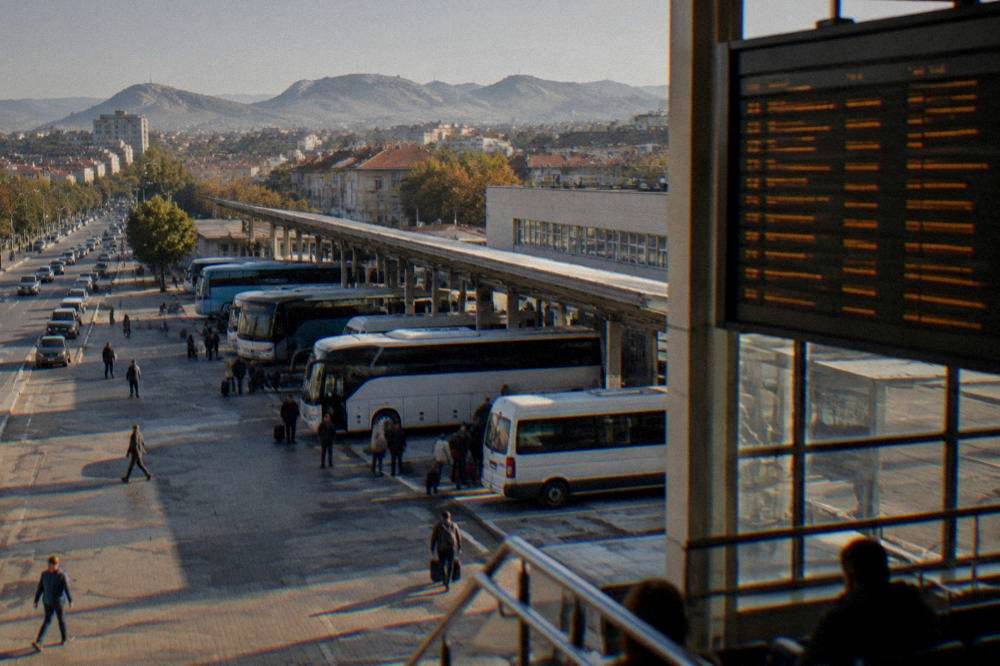
The three stations are functional rather than luxurious: Yug, beside the railway station, has the fullest set of facilities because it shares the rail hub's shops and waiting areas, while Rodopi and Sever are smaller minibus stations with basic ticket desks. Specific opening hours, left-luggage counters and cafe facilities are not published in a fixed official form, so confirm locally on arrival.
This is a page where honesty matters more than reassurance. Bulgarian regional bus stations are utilitarian: expect ticket windows, a departure board in Cyrillic, and coffee within a short walk rather than a full retail concourse. The Cyrillic alphabet is worth a moment of preparation, because destination boards at Rodopi and Sever are not always duplicated in Latin script, and knowing that Plovdiv is written Пловдив in Cyrillic helps at a glance. A few phrases are collected in the site's language guide.
For waiting-out time in the centre rather than at a station, the city's cafes and coffee culture page lists where to sit with a flat white, which costs around 2 euro by crowd-data averages. If your bus leaves late, the Plovdiv at night page covers how the centre looks after dark.
When Do The Buses Run, And Does The Season Matter?
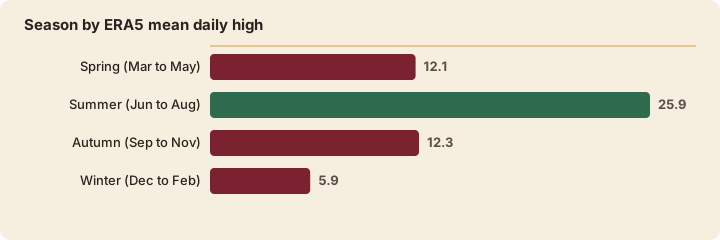
Buses to Sofia run daily year round with several operators, but mountain services from Rodopi thin out at weekends and in winter, when Rhodope roads can be affected by snow. July has an ERA5 modelled mean daily high of 28.2 C and January 5.9 C with a mean low of -2.6 C, so summer trips need water and winter mountain trips need a weather check.
The seasonal logic follows the mountains. In July and August the Rhodope routes are at full frequency and the villages along them are at their liveliest. In winter the same roads serve the Pamporovo ski area, so services continue but conditions, not timetables, become the constraint. The best time to visit Plovdiv and Plovdiv weather pages carry the full monthly picture from the ERA5 reanalysis, 1991 to 2020, including the 56.8 mm of May rain and the 25.2 mm of August.
Festival traffic is the other seasonal wrinkle. Kapana Fest ran its autumn edition over the first two weekends of October 2026 in the centre, and the Opera Open season at the Ancient Theatre ran from 23 June to 9 September 2026. On those weekends central rooms fill early, so a late bus arrival can meet a full city. The events calendar is in the Plovdiv festivals guide.
| Season | ERA5 mean daily high | Mountain buses | What it means for travel |
|---|---|---|---|
| Spring (Mar to May) | 12.1 to 21.9 C | Full service | May carries the year's highest rain total, 56.8 mm |
| Summer (Jun to Aug) | 25.9 to 28.6 C | Full service | Heat matters on unshaded platforms; August is the driest month |
| Autumn (Sep to Nov) | 12.3 to 23.8 C | Full to reduced | Festival weekends fill central rooms |
| Winter (Dec to Feb) | 5.9 to 8.0 C | Reduced conditions | Snow can affect Rhodope roads; check locally |
Bus Station Or Rental Car: Which Suits A Wider Bulgaria Trip?
A rental car beats the bus network for the Rhodope villages, Hisarya and a multi-stop Bulgaria road trip, because the mountain and rural routes run infrequently; the buses win for Sofia, where parking and the direct fast trains compete. Pick the car if three or more small towns are on the list, and the bus if the trip is city to city.
The arithmetic is about frequency. Yug to Sofia has a dense, cheap corridor, so a car adds little there. But a loop that takes in Koprivshtitsa, whose six house museums charge about 10 euro combined on a reported basis, Starosel and the Rose Valley is awkward by public transport, with connections that eat the day. The Bulgaria road trip and Bulgaria itinerary pages lay out exactly those loops, and the practicalities, including what an American driver needs, are in Plovdiv car rental and the guidance that an American can rent a car in Bulgaria with the usual licence rules.
If you stay carless, do not over-plan the mountain legs from behind a desk. The Plovdiv travel tips page collects the small things that make bus travel in Bulgaria easier, from cash habits to Cyrillic signage, and it is worth a read before a multi-bus day.
Common Questions About Plovdiv Bus Stations
How Many Bus Stations Does Plovdiv Have?
Plovdiv has three: Yug (South) at 47 Hristo Botev Boulevard beside the railway station, Sever (North) at 2 Dimitar Stambolov Street, and Rodopi at 1 Macedonia Boulevard for the Bachkovo and Smolyan mountain routes.
Which Plovdiv Bus Station Do Buses From Sofia Arrive At?
Buses from Sofia Central Bus Station arrive at Yug, the South station, which sits next to the central railway station. The journey takes about 1 h 45 to 2 h 20 and tickets generally run about 6 to 9 euro.
Which Station Serves Bachkovo Monastery?
Rodopi station, at 1 Macedonia Boulevard, serves Asenovgrad, Bachkovo Monastery and the Smolyan-direction mountain routes. The run to the monastery approach takes roughly 35 to 45 minutes by minibus.
How Much Is A City Bus Ticket In Plovdiv?
The single e-ticket costs 0.50 euro since Bulgaria adopted the euro on 1 January 2026. A reported proposal to charge 1 euro for a paper ticket from the driver was not adopted, so confirm how your bus sells tickets on boarding.
Is The Bus Or Train Faster From Sofia To Plovdiv?
The bus takes about 1 h 45 to 2 h 20 and the direct train about 2 h 40 to 3 h 05, but trains routed via Karlovo take 4 h 50 to 5 h 50. Check the live BDZ timetable before choosing, because times change seasonally.
Can You Take A Bus From Plovdiv To Istanbul?
Yes, international long-distance services run from Yug toward Istanbul, but no fixed schedule or fare is published here, so confirm times, prices and border-document requirements with the operator before travelling. The EU Entry/Exit System has applied biometric registration at external borders since 10 April 2026.
The three stations look confusing on a map and are simple in practice: Yug for the big cities, Rodopi for the mountains, Sever for the north. Arrive at the right one, keep the 0.50 euro e-ticket ready for the hop into the centre, and the rest of Plovdiv, from the Roman Stadium sphendone to the trap-like lanes of Kapana, is within a short and flat walk. Further reading lives across the Plovdiv Travel Guide transport pages, including the Plovdiv train station and where to stay in Plovdiv guides.