Things To Do In Plovdiv
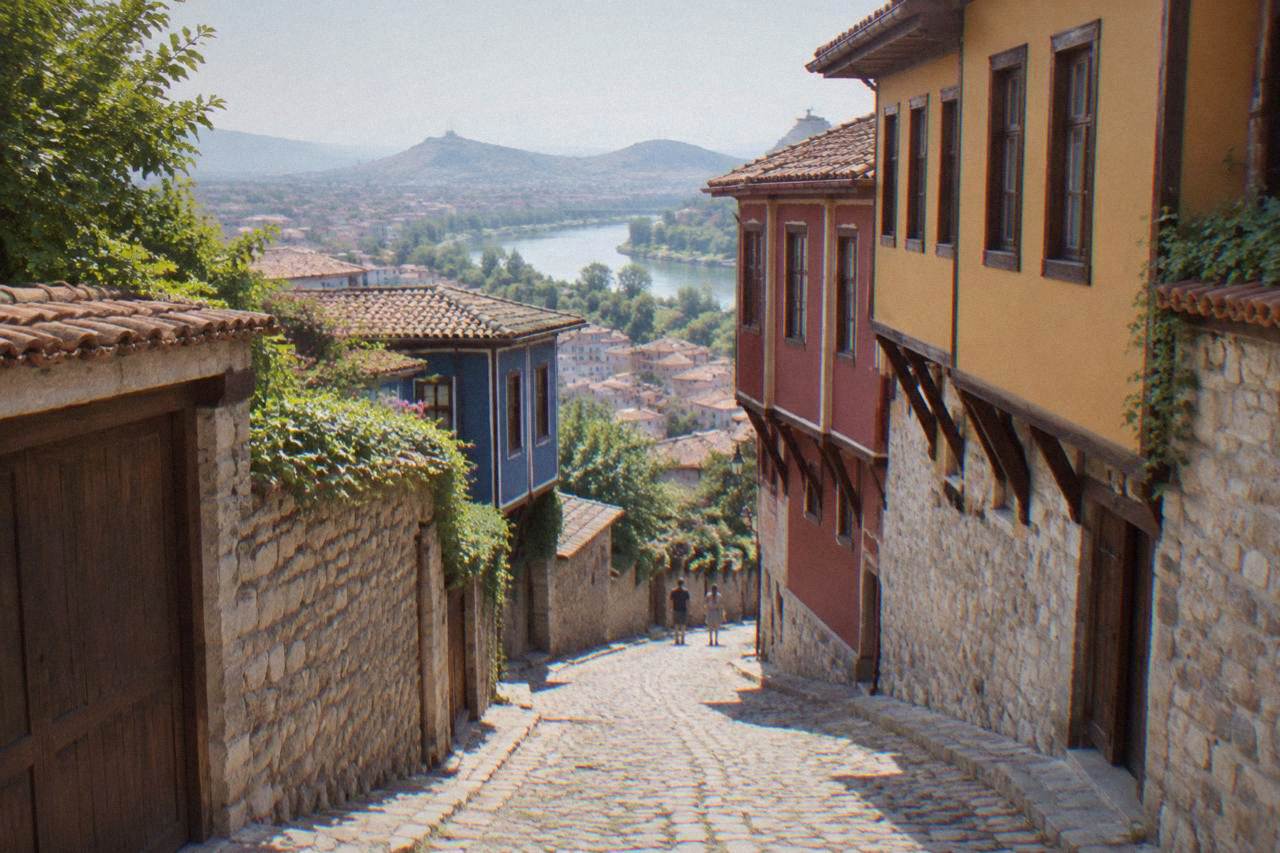
Plovdiv, in southern Bulgaria, packs Roman theatres, a revival-era Old Town and a creative quarter into a walkable city built on six hills. Here is what to do, what it costs and how to fit it together.
Short answer
Spend your time between the Ancient Theatre, the Old Town houses, Kapana and the free hilltop views of Nebet Tepe; entry to individual Old Plovdiv sites is 3.58 euro, and the whole core is walkable without a car.
Plovdiv, Bulgaria's second-largest city, sits inland in the south of the country, built around six hills with no sea coast anywhere near it, and it is often described as one of the oldest continuously inhabited cities in Europe. The city's tourism site dates the first settlement on Nebet Tepe to the 4th millennium BC, and the layers since then, Thracian, Roman, Byzantine, Ottoman and Revival-era Bulgarian, are all still standing within about fifteen minutes' walk of one another. That density is what makes planning here simple: the Ancient Theatre, the Roman Stadium, the Old Town houses, the Bishop's Basilica mosaics and the Kapana creative district form one continuous walking circuit. This page lays out what to do on a first day, what everything costs, what is free, what works in rain, with children, at night, and how far you can reasonably go beyond the city into the Rhodopes.
Things To Do In Plovdiv On Your First Day
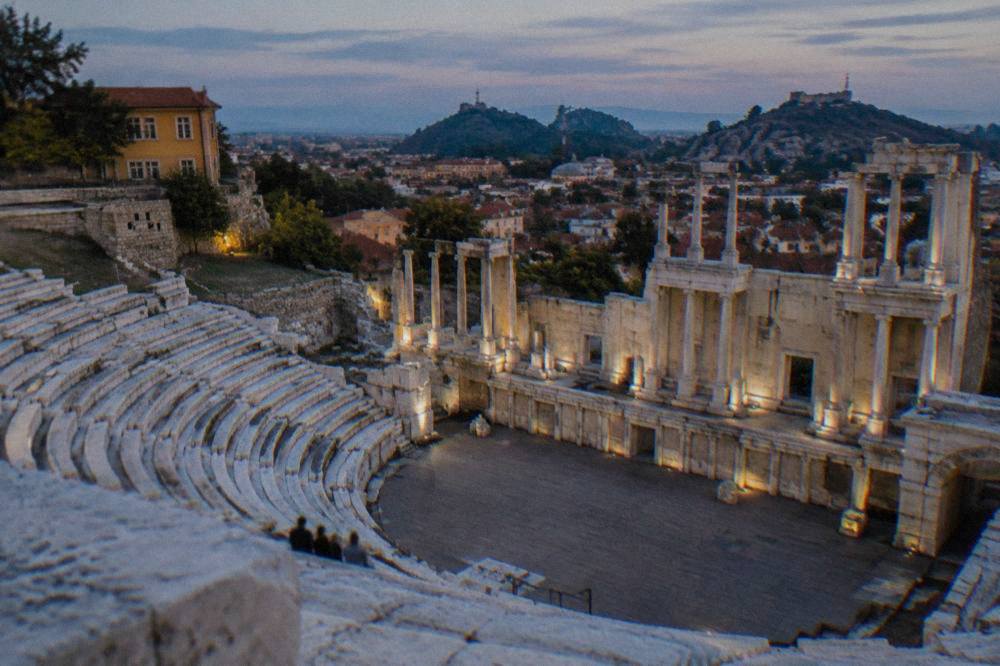
Start at the Ancient Theatre of Philippopolis, walk down through the Old Town to Hisar Kapia and Kapana, cross the Roman Stadium sphendone on Main Street, and finish on Nebet Tepe for the sunset view; this loop takes in the city's headline sights and all but one of them sit within one compact hillside. The theatre, built in the 90s of the 1st century AD with 28 concentric rows of marble seats, is the single most striking monument, and the Old Plovdiv ticket page lists a one-site adult ticket at 3.58 euro.
Hisar Kapia, the old gate, is free and always open, and it drops you straight into Kapana, whose name means "The Trap", a maze of narrow streets that the city's tourism site describes as its creative district, free and open at all hours. Lunch belongs there or on Main Street, and the best restaurants in Plovdiv cover where to eat in detail.
A guided walk is the efficient way to hold this first day together, and the Old Town and Roman Theatre walk linked above is the site's featured pick for exactly this circuit. If you would rather move at your own pace, the Plovdiv self-guided walk page maps the same ground stop by stop, and the plovdiv walking tour guide compares the options. Tip-based walks also run locally; confirm arrangements with the guide directly.
Finish the day on Nebet Tepe, the hill where the settlement began. The open-air archaeological complex is free, with unrestricted public access after a restoration project that officially opened in March 2025, and from the fortress walls the whole city spreads out below, with the Rhodopes visible to the south.
What Do Plovdiv Tours And Tickets Cost?
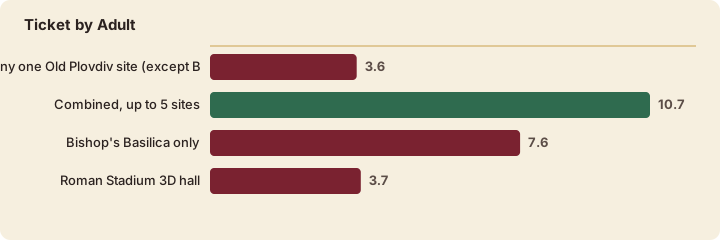
Sightseeing in Plovdiv is inexpensive by Western European standards: the Old Plovdiv ticket page lists a one-site adult ticket at 3.58 euro, the five-site combined ticket at 10.74 euro, and the Bishop's Basilica, priced separately, at 7.57 euro, while paid guided tours render their live from-prices on their own listings and should be checked there rather than quoted from memory.
The full price ladder from the official Old Plovdiv list:
| Ticket | Adult | Student | Family |
|---|---|---|---|
| Any one Old Plovdiv site (except Bishop's Basilica) | 3.58 euro | 1.53 euro | 7.16 euro |
| Combined, up to 5 sites | 10.74 euro | 4.09 euro | 21.47 euro |
| Bishop's Basilica only | 7.57 euro | 3.58 euro | 15.34 euro |
| Roman Stadium 3D hall | 3.68 euro | 1.23 euro | varies by site |
Children under 7 enter Old Plovdiv sites free, and visitors with more than 50% disability also enter free. Students and seniors get free entry at Old Plovdiv sites on the first Thursday of the month, and the Regional History Museum is free for everyone the first Thursday of the month. Confirm the combined ticket's validity window at the desk, because the published page does not state one.
The museums sit outside this list. The Regional History Museum charges 5.00 euro for one site on its own admission page, and the Ethnographic Museum, in the Kuyumdzhiev House, charges about 3.07 euro for adults. The Regional Archaeological Museum does not publish a ticket price on its own site, so confirm at the entrance; it is closed on Monday. The plovdiv museums guide covers what each holds, and the broader cost picture, coffee, meals, taxis, is laid out in how expensive is Plovdiv.
For guided products, the trio below carries the site's featured picks for the city itself: the Old Town and Roman Theatre walk, a Bulgarian food walk, and a combined Bachkovo Monastery, Asen Fortress and bridges day tour. Prices, ratings and durations render from each operator's live listing.
Free Things To Do In Plovdiv
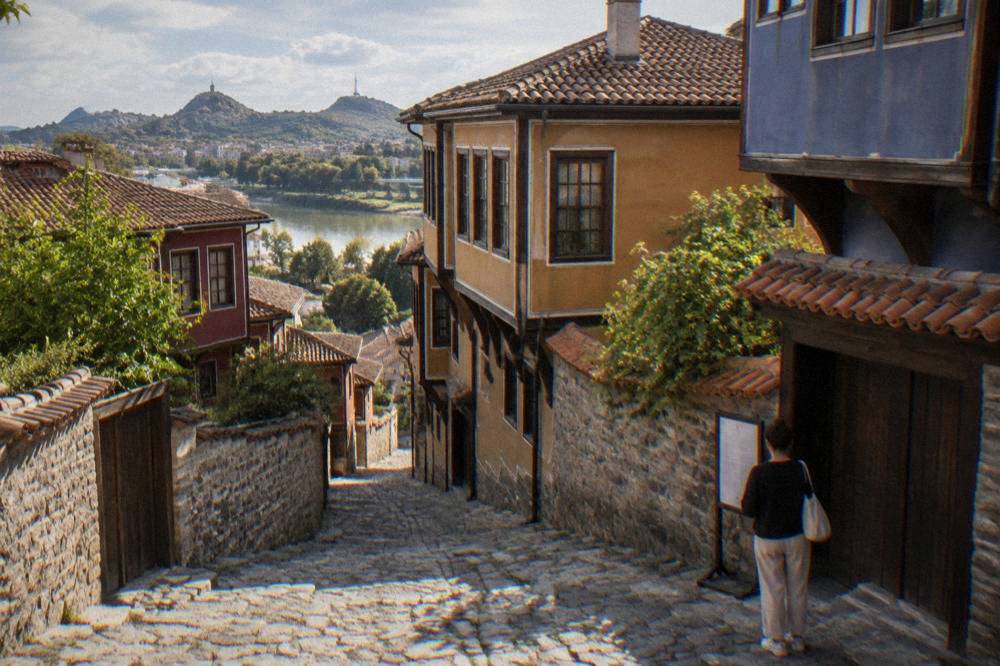
A large share of Plovdiv's best experiences cost nothing: Nebet Tepe, the Roman Stadium sphendone, Hisar Kapia, Kapana, Main Street, Sahat Tepe, Bunardzhik with the Alyosha monument, the Tsar Simeon Garden and the Dzhumaya Mosque are all free to enter or free to wander, and they include several of the city's defining views. The only genuinely free-to-enter Roman monument is the stadium's northern curve, unearthed in the 1970s, which lies open beside Main Street; the rest of the stadium still sits beneath the modern street.
The free list at a glance:
| Free sight | What you get | Access |
|---|---|---|
| Nebet Tepe | Fortress-wall complex, city's birthplace, panoramic views | Free, unrestricted |
| Roman Stadium sphendone | Northern curve of a 2nd-century AD stadium built on the model of Delphi | Open-air, beside Main Street |
| Hisar Kapia | Ottoman-era gate into the Old Town | Always open |
| Kapana | "The Trap": narrow-street creative district, galleries, street art | Public streets |
| Bunardzhik / Alyosha | Hill of the Liberators, monument unveiled in 1957 | Open park |
| Dzhumaya Mosque | Working mosque, about 1,500 sq m, free entry | Outside prayer times, modest dress |
The mosque's visiting hours run from 6:00 to 23:00 per the city's own page, but it is a working place of worship, so go quietly, dress with shoulders and knees covered, and avoid Friday midday prayer. The free things to do in Plovdiv guide extends this list with hills, gardens and viewpoints, and the Kapana guide maps the district street by street. Sahat Tepe, the clock hill, adds another free climb with the clock tower as its landmark.
Things To Do In Plovdiv When It Rains
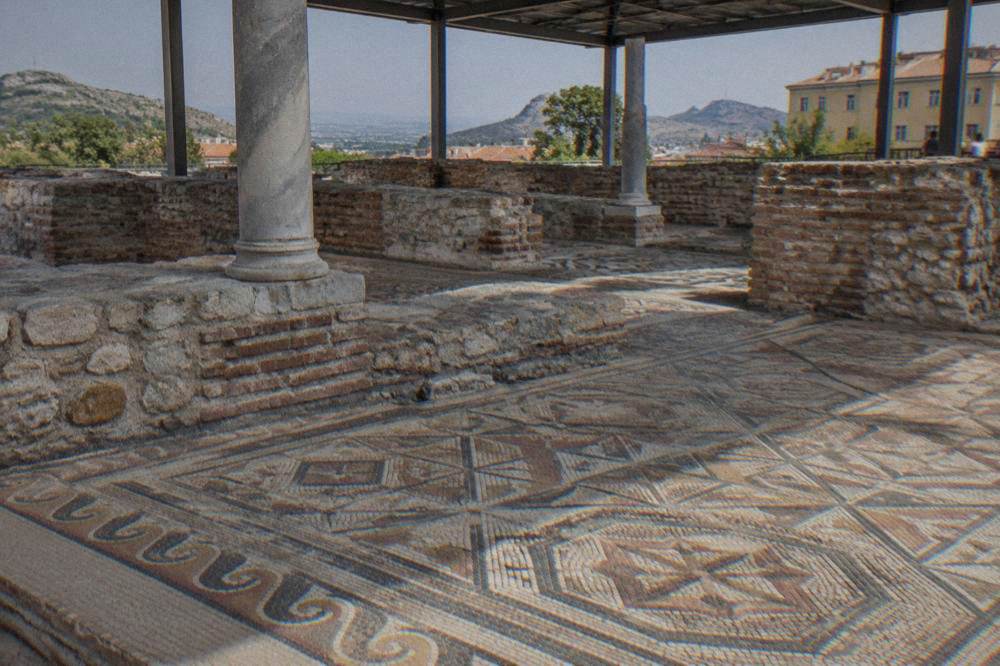
Rain in Plovdiv moves you indoors to the Bishop's Basilica's mosaics, the Old Town house museums, the Regional Archaeological Museum and the Roman Stadium's 3D projection hall, all within a short walk of each other, and the one-site ticket at 3.58 euro makes sheltering in two or three of them an easy call. The Bishop's Basilica is the standout: about 83 m long and 36 m wide, it is the largest 4th to 6th century basilica in Bulgaria, with two layers of floor mosaics covering over 2,000 sq m, and it is open daily year round.
The indoor circuit:
| Indoor sight | Why it works in rain | Hours note |
|---|---|---|
| Bishop's Basilica | Over 2,000 sq m of mosaics under cover | Daily 9:00 to 18:00 |
| Balabanov, Hindliyan, Nedkovich houses | Revival-era interiors, all indoors | Lunch break 12:30 to 13:00 |
| Regional Archaeological Museum | Renewed permanent exhibition, about 150 new exhibits added | Closed Monday |
| Ethnographic Museum | Bulgaria's regional costume and craft collections | Closed Monday |
| Roman Stadium 3D hall | Reconstruction film of the buried stadium | Daily, lunch break |
Mind the Monday closures: the Ethnographic Museum and the Archaeological Museum both shut that day, which makes Monday the weakest rain-day choice for museums. The lunch break at Old Plovdiv sites, 12:30 to 13:00, is short enough to plan a coffee around, and the plovdiv in the rain page builds full wet-weather itineraries. Rain itself is moderate and evenly spread: the ERA5 reanalysis, 1991-2020, gives May 56.8 mm and March 55.0 mm as the months with the highest totals, and August 25.2 mm as the lowest, with 536.6 mm across the year. The plovdiv weather guide breaks down the months in full.
Things To Do In Plovdiv With Children
Plovdiv works well with children because the core sights are short, outdoor and cheap: kids under 7 enter all Old Plovdiv sites free, the family ticket for one site is 7.16 euro, the Tsar Simeon Garden with its singing fountains is free, and the hills themselves are the city's natural playground. The garden's fountains sit by the lake in the city's central park, a flat, strollable escape from the cobbles, and the plovdiv with kids guide devotes a full page to family planning.
The Roman sites hold children's attention better than you might expect. The Ancient Theatre's 28 rows of marble seats are built for climbing and sitting while a guide explains gladiators, and the stadium sphendone gives the same open-air thrill at zero cost. The Archaeological Museum's renewed exhibition, refreshed in November 2025 with about 150 new exhibits and a bilingual audio guide, added a layer of interpretation that suits older children. Rainy-day fallbacks are the museums above plus the street food and window shopping of Main Street. The wider set of guides lives on Plovdiv Travel Guide.
Eating with children is easy. Banitsa, the cheese filo pastry that anchors the Bulgarian breakfast, and kebapche, grilled minced meat, are the two dishes children reliably accept, and both appear across the what to eat in Plovdiv and Bulgarian food guides. For a half-day out, the Plovdiv Rowing Canal offers open water and flat paths for bikes and scooters.
A food walk suits families with adventurous eaters, and the one above pairs tastings with the stories behind them; the booking page shows the current price and child policy. For dessert-led wandering, the plovdiv coffee and cafes page lists the confectionery institutions.
Things To Do In Plovdiv At Night
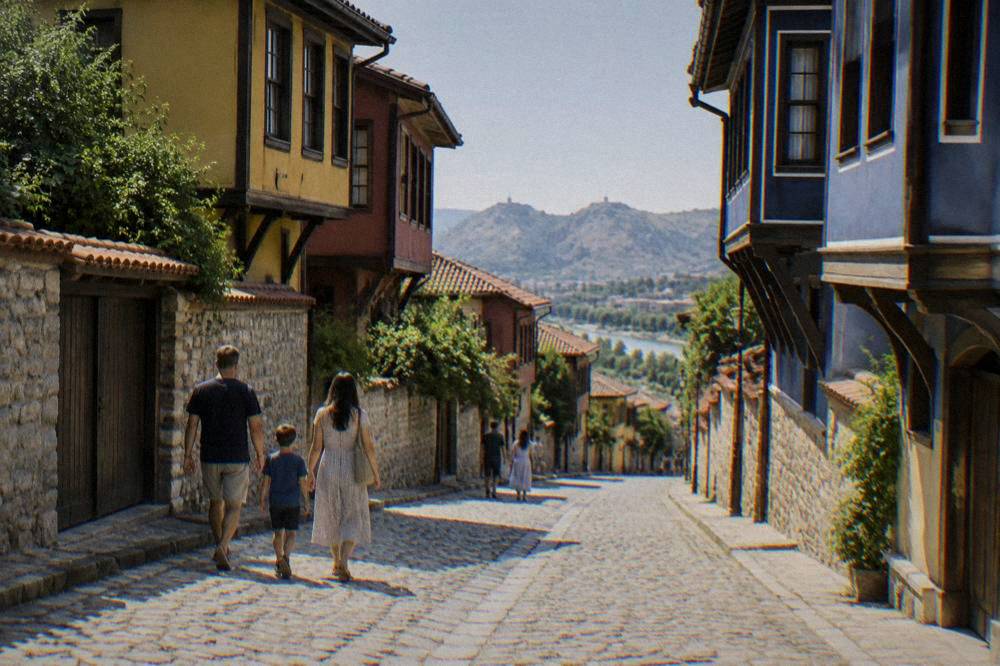
Plovdiv after dark means Kapana's bars and live-music rooms, dinner on Main Street, the illuminated Old Town hills, and in summer the Opera Open festival inside the Ancient Theatre, which ran 23 June to 9 September in 2026 and puts opera and orchestral concerts on 2,000-year-old marble seats under the open sky. The theatre also hosts rock and metal shows with orchestra and choir, so it is worth checking the event calendar for whatever dates you hold.
The night-time map:
| Night activity | Where | Note |
|---|---|---|
| Opera Open season | Ancient Theatre | Summer season, ticketed |
| Kapana bars and stages | Kapana district | Street-level venues, free entry varies |
| Dinner walk | Main Street and Kapana | Mid-range meal for two around 30 to 40 euro per crowd data |
| Lit Old Town and Nebet Tepe | Old Town hillside | Free, mind the cobbles |
| Jazz Fest | Boris Hristov House of Culture | Fall edition 6 to 8 November 2026 |
Kapana is the centre of gravity. The district's venues run from rakia bars to craft breweries and small stages, and the Plovdiv nightlife and Plovdiv at night guides sort them by mood. Rakia, the fruit brandy that opens Bulgarian meals, has its own explainer on the rakia page, and the Bulgarian wine guide covers the Mavrud and Rubin reds of the surrounding Thracian Valley.
A sunset wine-tasting city tour, like the one above, bridges the two halves of a Plovdiv evening: a guided walk that ends in a tasting rather than a restaurant. The full events calendar, including Kapana Fest, whose autumn 2026 edition ran across the first two weekends of October, sits on the Plovdiv festivals and events page.
Day Trips From Plovdiv To The Rhodopes
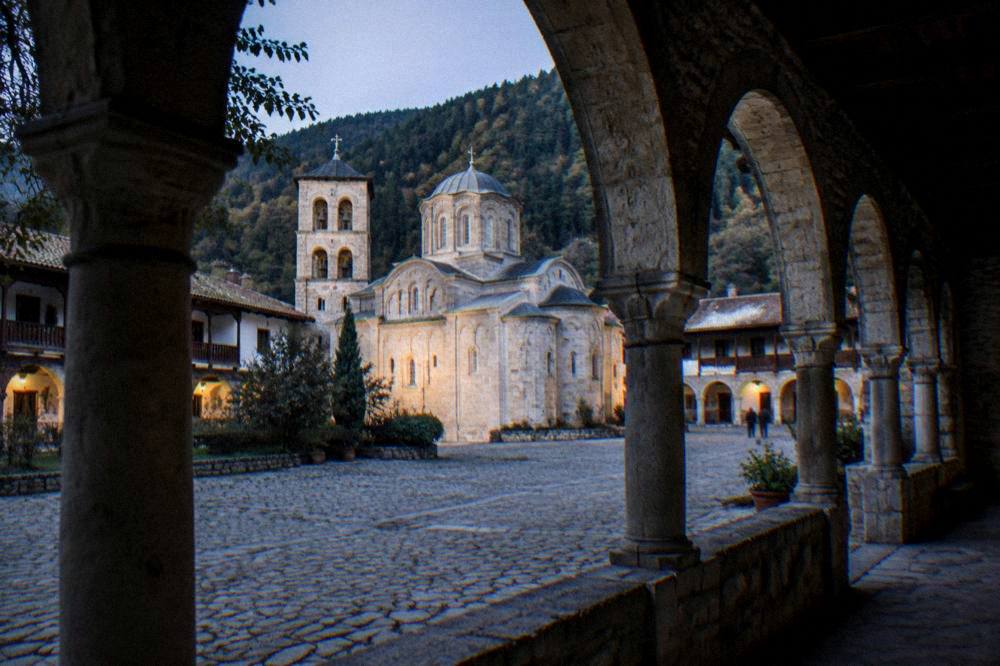
The Rhodopes begin immediately south of Plovdiv, and the classic day trips are Bachkovo Monastery and Asen's Fortress near Asenovgrad, the Wonderful Bridges rock arches, and the deep-south gorges around Trigrad and the Devil's Throat cave; Bachkovo is about 30 km away and free to enter, and minibuses from the Rodopi bus station reach it in 35 to 45 minutes. The monastery is a working religious house, and its refectory kitchen and arches make it one of the region's most visited sights.
The day-trip ladder:
| Day trip | Distance and time from Plovdiv | Getting there |
|---|---|---|
| Bachkovo Monastery | About 30 km, 35 to 45 min by minibus | Rodopi bus station |
| Asen's Fortress | Just above Asenovgrad on the Bachkovo road | Minibus plus walk, or tour |
| Wonderful Bridges | Deeper into the Rhodopes | Tour or car; check before relying on buses |
| Smolyan and Pamporovo | About 104 km to Smolyan, 2 to 2.5 hours by bus | Rodopi bus station |
| Trigrad Gorge and Devil's Throat | Furthest south, gorge and show cave | Tour or car recommended |
Entry to Bachkovo Monastery is free, reported across the site's sources. Asen's Fortress charges a small fee whose current euro figure is unclear across sources, so confirm at the gate. For the deeper Rhodopes, public transport thins out: buses run from the Rodopi station toward Smolyan, but the gorges and caves around Trigrad are typically reached by car or organised tour. The rhodopes day tour from Plovdiv guide compares the itineraries, and dedicated pages cover Bachkovo Monastery, Asen's Fortress, the Wonderful Bridges and Trigrad Gorge and Devil's Throat cave.
For trips that turn north or west instead, the Starosel Thracian complex, Koprivshtitsa and Kazanlak and the Rose Valley pages cover the Thracian plain, and the Bulgaria itinerary page fits Plovdiv into a country-wide route.
Getting Between Things To Do In Plovdiv On Foot
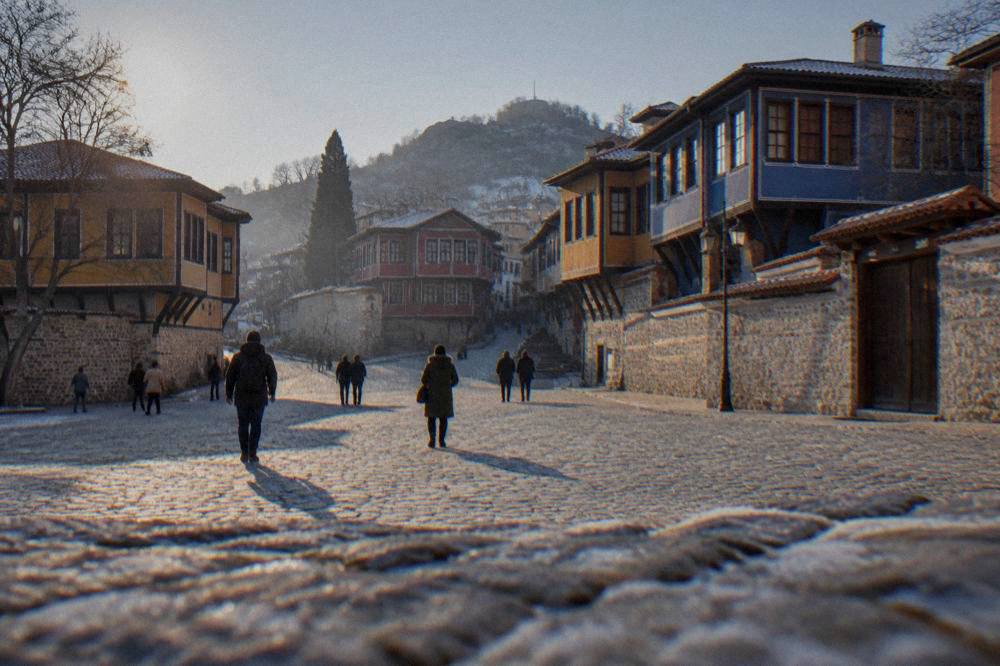
Plovdiv is one of Europe's most walkable city cores: the Ancient Theatre, the Old Town, Hisar Kapia, Kapana, the Roman Stadium, Dzhumaya Mosque, Main Street and the Tsar Simeon Garden all sit within a chain about two kilometres long, flat on the axis of Main Street and hillier only where the Three Hills rise. The whole first-day circuit described at the top of this page is a walking route, and the only reason to use transport inside the centre is tired legs on the cobbles.
The hills are the one physical challenge. Nebet Tepe, Dzhambaz Tepe and Taksim Tepe form the Old Town hillside, and Bunardzhik, Sahat Tepe, Danov Hill and Youth Hill stand apart; each involves a climb of a few minutes on stepped or cobbled paths. The three hills page explains the geography, and the city's official relief page gives the heights, from 285.5 m at Youth Hill down to 195 m at Taksim Tepe. Good shoes matter more than in a flat capital: the Old Town's cobblestones are uneven and slick in rain.
Two practical notes from the constraints that matter to walkers. First, the railway junction modernisation at the central station, reported 85% complete in November 2025 and due to finish in 2026, may affect access around the station end of the centre, so allow extra time arriving from or leaving to Sofia. Second, signage in the core is bilingual, but Bulgarian is written in Cyrillic, and the Plovdiv language and phrases page carries the basics in both scripts.
How To Get Around Plovdiv Without A Car
You do not need a car in Plovdiv: the city bus e-ticket costs 0.50 euro, the centre is pedestrian, taxis are metered and inexpensive by Western standards with a start fare around 1.10 euro per crowd data, and every core sight plus the main day-trip buses are reachable without driving. The euro has been Bulgaria's currency since 1 January 2026, and contactless and app ticketing were expanding across the network through 2026, so carry a card as well as coins.
The transport picture:
| Mode | Cost | Where it works |
|---|---|---|
| Walking | Free | Entire core, Old Town to canal |
| City bus | 0.50 euro e-ticket | Hills, Karshiyaka, stations, Rowing Canal |
| Taxi | Start around 1.10 euro, metered | Anywhere; apps work locally |
| Minibus from Rodopi station | Bachkovo run about 3.60 euro | Bachkovo, Asenovgrad, Smolyan routes |
| Train | Sofia run, confirm fare at booking | Arrivals and departures via the central station |
The stations sit conveniently together: the central railway station and the Yug (South) bus station share Hristo Botev Boulevard, the Rodopi bus station handles the southern Rhodope routes including Bachkovo, and the Sever (North) station covers northern lines. Direct trains from Sofia take about 2 h 40 to 3 h 05; services routed via Karlovo take far longer, so check the direct ones first. The getting around Plovdiv page details every mode, with dedicated guides for Plovdiv train station, Plovdiv bus stations, sofia to Plovdiv and Plovdiv airport, whose small route list includes London, Milan, Bratislava, Birmingham, Manchester, Belfast and Tel Aviv in the airport's own search.
If a car still makes sense for a Rhodopes loop, the Plovdiv car rental page covers the practicalities, and parking rules are summarised, with their unknowns flagged, on the Plovdiv parking page. For everything else, timing your visit around the events calendar on best time to visit Plovdiv, the money basics on money in Plovdiv and the general advice on Plovdiv travel tips complete the planning picture.
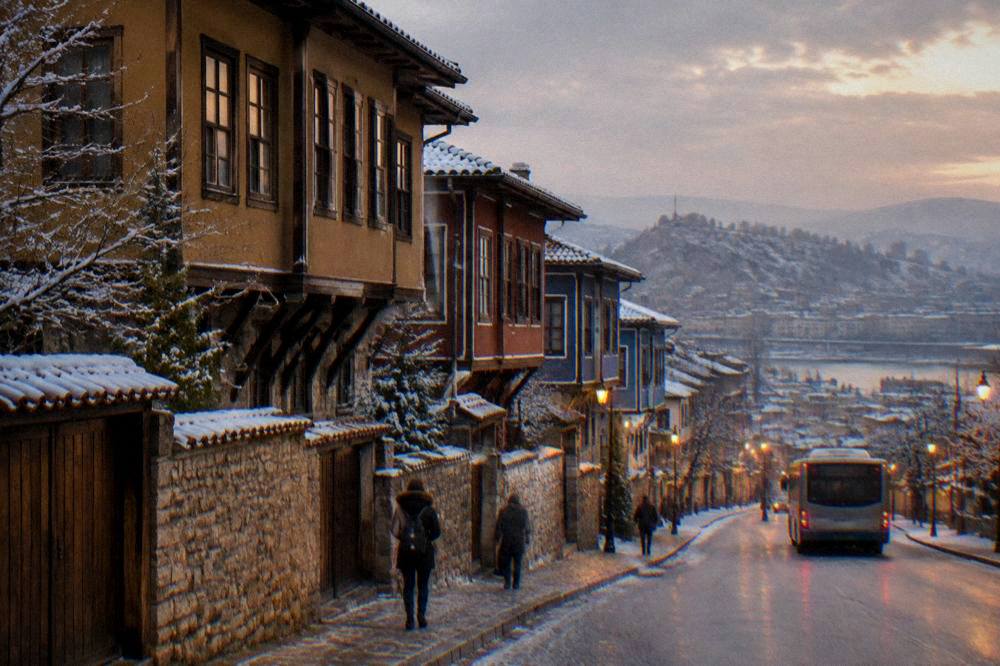
Plovdiv repays slow, shoe-led travel: a theatre from the 1st century AD, a stadium buried under a shopping street, mosaic floors the size of a cathedral floor, and a district literally named The Trap, all within a walk your feet can manage in a day and your budget can manage for less than the price of a cinema ticket at home.
Common Questions About Things To Do In Plovdiv
How much does it cost to visit the Ancient Theatre of Philippopolis?
A single-site ticket to the Ancient Theatre costs 3.58 euro for adults, with reduced pupil and student admission of 1.53 euro. The theatre was built in the 90s of the 1st century AD and has 28 concentric rows of marble seats. From April to October it is open daily from 9:30 to 18:00, with a lunch break from 12:30 to 13:00.
Can I visit Plovdiv's Old Town sites for free?
Yes, several highlights cost nothing, including the Nebet Tepe archaeological complex, the open-air sphendone of the Roman Stadium, and the public streets of Kapana and Hisar Kapia. Dzhumaya Mosque is also free to visit, open from 6:00 to 23:00, though modest dress is expected and prayer times should be avoided. Paid sites such as the Ancient Theatre charge 3.58 euro for adults.
What is there to do in Plovdiv with children?
Free open-air walking works well with kids: climb Nebet Tepe, wander the maze of narrow streets in Kapana, whose name means "The Trap", and see the Alyosha monument on Bunardzhika, unveiled in 1957. Family tickets to Old Plovdiv sites cost 7.16 euro for parents with children aged 7 to 16, and children under 7 enter free.
How do I get from Sofia to Plovdiv?
Direct trains take about 2 h 40 to 3 h 05 between Sofia and Plovdiv, with several departures daily, though times change so check the BDZ timetable. Buses run about 1 h 45 to 2 h 20 and cost about 6 euro to 9 euro, arriving at Plovdiv Yug station next to the central railway station on Hristo Botev Blvd. Expect some access changes around the station until railway junction works finish in 2026.
What can I do in Plovdiv on a rainy day?
Indoor options include the Regional Archaeological Museum, open Tuesday to Sunday from 10:00 to 18:00, whose renewed permanent exhibition added about 150 new exhibits in November 2025. The Regional History Museum charges 5.00 euro for one site, 8 euro for two and 10 euro for three, and is free on the first Thursday of the month. The Bishop's Basilica, with over 2,000 sq m of floor mosaics, is also covered and costs 7.57 euro for adults.
How much is public transport in Plovdiv?
A single e-ticket on the city bus costs 0.50 euro. A proposal from August 2026 to charge 1 euro for a paper ticket bought from the driver was only a concept and was not adopted. Most sights in the centre, including the Ancient Theatre, Kapana and Nebet Tepe, are easy to reach on foot.