Kazanlak From Plovdiv: Thracian Tomb And The Rose Valley
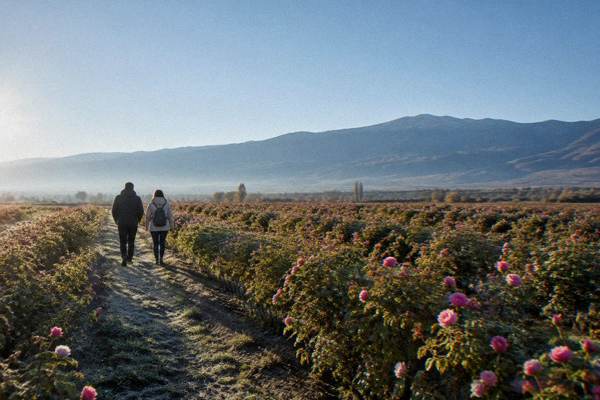
Kazanlak sits in the Rose Valley at the foot of the Balkan range, a day trip east of Plovdiv that pairs rose fields with Thracian tombs and the wider Valley of the Thracian Kings.
Short answer
Kazanlak is the central town of Bulgaria's Rose Valley, roughly a day trip from Plovdiv by road or rail, and its draws are the local Thracian tomb, the rose fields harvested in late spring and early summer, and the surrounding Valley of the Thracian Kings. No 2026 or 2027 Rose Festival date has been announced, so confirm festival timing locally before you go.
Kazanlak is the town at the heart of Bulgaria's Rose Valley, a day-trip destination east of Plovdiv in southern Bulgaria, reached across the Thracian plain that separates Plovdiv's six hills from the lower slopes of the Balkan range. The draw is a combination found nowhere else around Plovdiv: rose fields harvested in late spring and early summer, a domed Thracian tomb in and around the town, and the wider Valley of the Thracian Kings, a landscape of burial mounds scattered through the same valley as the rose oil country this guide covers in depth. Bulgaria uses the euro since 1 January 2026, which makes planning the practical side simpler than older guidebooks suggest, and Plovdiv, often described as one of the oldest continuously inhabited cities in Europe, is the natural base for the trip.
Why Visit Kazanlak On A Day Trip From Plovdiv?
Kazanlak gives a Plovdiv-based traveller two landscapes in one day: the Rose Valley, where Bulgaria's damask roses are grown and distilled into rose oil, and the Valley of the Thracian Kings, a plain dotted with Thracian burial mounds, several of them open to visitors. The town sits east of Plovdiv across the flat Thracian plain, close enough for a comfortable day trip and far enough that the scenery changes completely, from Plovdiv's hilltop Old Town to wide fields backed by the green slopes of the Balkan range.
The pairing is the point. Plovdiv itself holds Roman theatres, basilicas and revival houses, all covered on the things to do in Plovdiv page, but the Thracian heritage around Plovdiv is mostly underground and mostly out of town. Kazanlak and its surrounding valley hold the densest cluster of it. The rose industry is the second reason: rose oil is one of Bulgaria's signature products, and the valley around Kazanlak is where it is grown, picked by hand in the early morning during the short harvest season, and distilled.
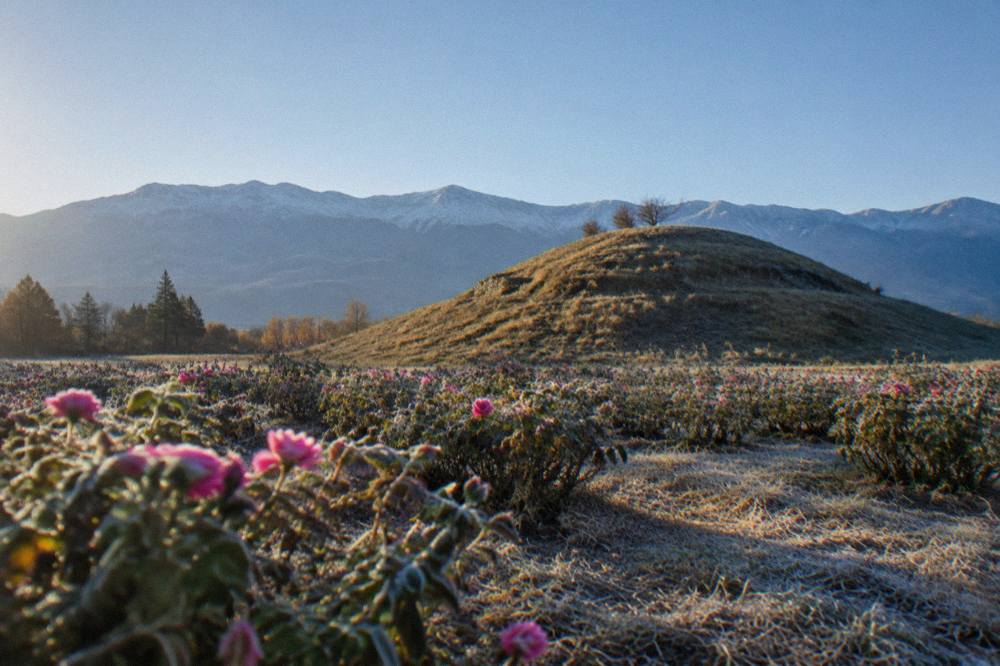
Timing matters more here than on Plovdiv's city walks. The rose harvest runs in late spring and early summer, and the harvest window is short. Travellers who come outside it still see the fields, the distilleries and the Thracian sites, but the picking itself is a seasonal event.
What Can You See In Kazanlak And The Rose Valley From Plovdiv?
The core sights around Kazanlak are the Thracian tomb in the town's vicinity, the rose fields and rose-oil distilleries of the valley, the burial mounds of the Valley of the Thracian Kings, and the Shipka area on the road back toward Plovdiv, and a day is enough for a first pass at all of them. The town itself is small and walkable, with a compact centre, and the fields and mounds spread out into the valley around it, which is why the trip works either with a car or with a guided tour that moves between the stops.
The Thracian heritage is the part that surprises people. The Thracians were the pre-Roman population of this plain, and their elite built domed brick tombs under mounds of earth. The Kazanlak area has produced several of these, and the local tomb is the one the town is known for.
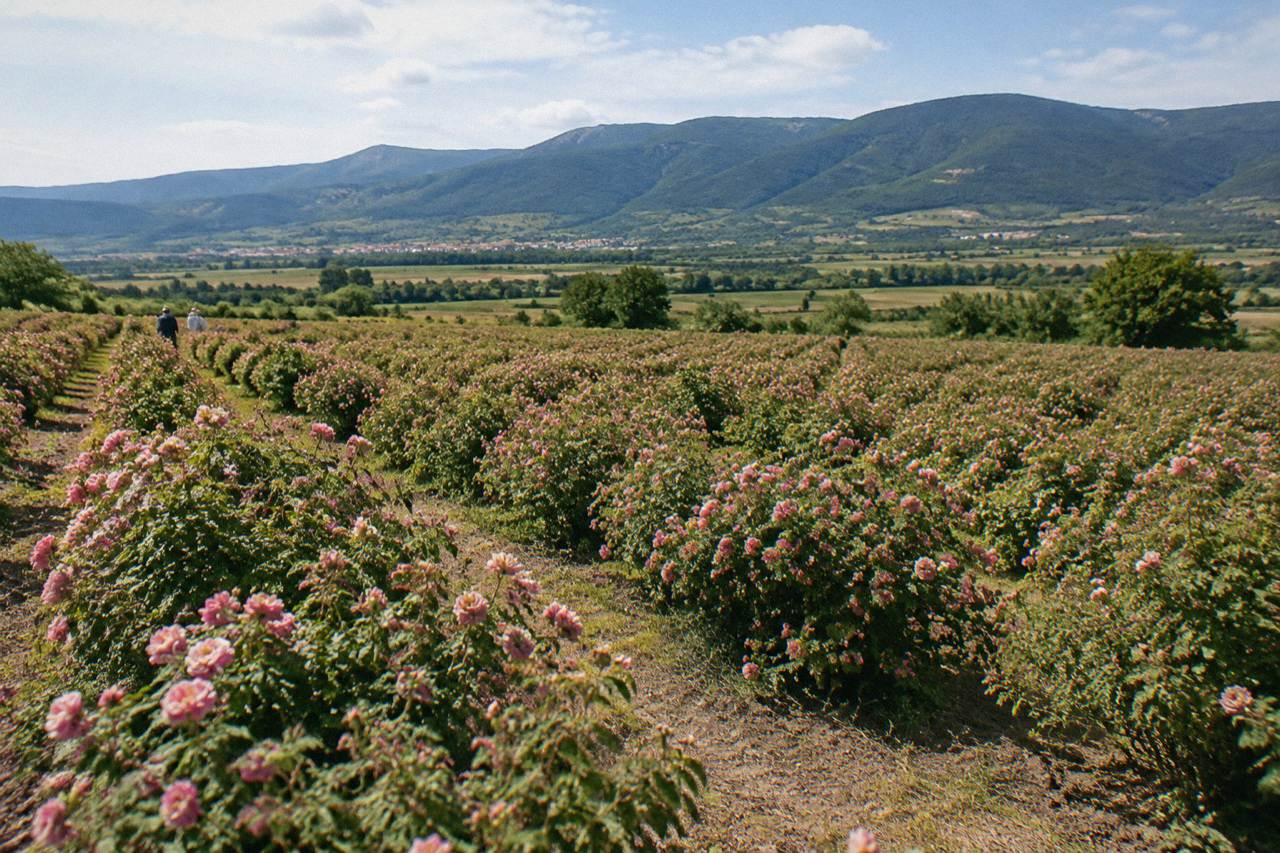
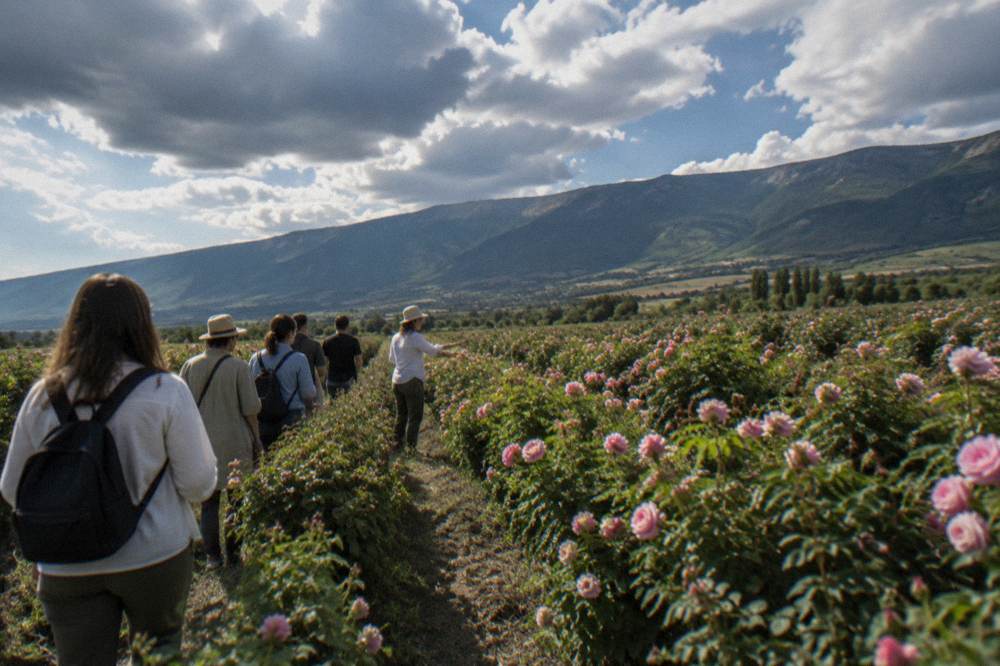
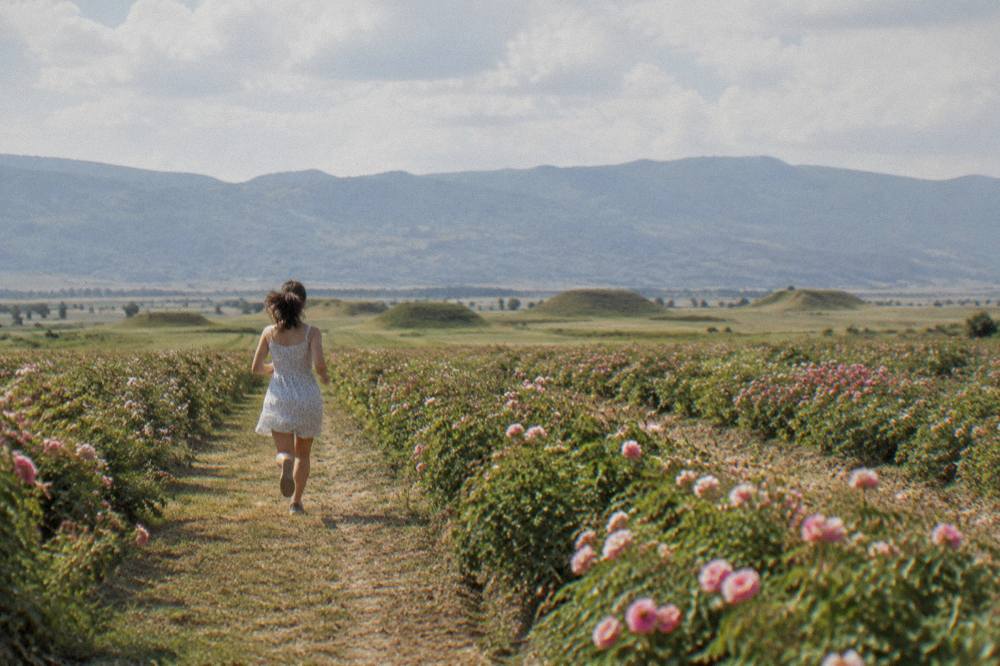
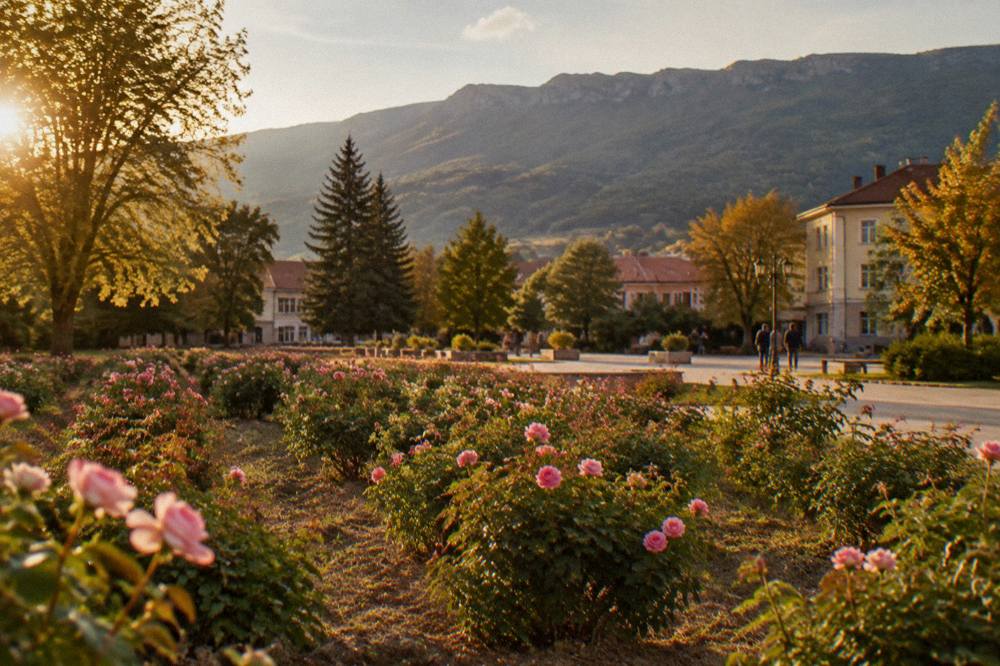
The rose side of the valley is more industrial than romantic, and that is its charm. Fields of damask roses run in rows across the valley floor, and small distilleries process the petals in the weeks after picking. Some producers welcome visits, and a guided tour usually builds in a distillery stop with a tasting of rose products and local spirits. For the background on rose oil itself, how it is distilled and what it is used for, read the site's Bulgarian roses and rose oil guide.
A private option that covers this exact route exists: the Kazanlak, Rose Valley and Valley of the Thracian Kings private tour from Plovdiv. It ties the tomb country, the rose fields and the mounds into one loop out of the city. Check availability on the operator's live listing if you prefer a driver-guide to a hire car.
How Do You Get From Plovdiv To Kazanlak?
Kazanlak is reached from Plovdiv by road or by rail across the Thracian plain, and the journey is a straightforward regional trip within Bulgaria, though no journey time or fare is published for the Plovdiv to Kazanlak leg, so check the current timetable or your route planner before committing to a day. Plovdiv's transport hub is compact: the central railway station and the Yug bus station sit side by side on Hristo Botev Boulevard, and regional buses to towns in the valley and beyond leave from the city's several bus stations.
| Journey | Details |
|---|---|
| Plovdiv to Bachkovo Monastery | About 30 km; minibuses from Rodopi station take 35 to 45 minutes |
| Sofia to Plovdiv by train | Direct trains about 2 h 40 to 3 h 05 |
| Plovdiv city bus e-ticket | 0.50 euro |
| Plovdiv Airport to centre | About 12 to 14 km southeast at Krumovo |
A hire car is the flexible option, and the site's general advice on driving out of the city is on the Plovdiv planning pages. Note one practical point for rail travellers: Plovdiv's railway junction has been under a large modernisation programme due to finish in 2026, so access around the central station can change during works, and the current BDZ timetable, not an old blog post, is the place to check regional services on the day you travel.
If independence is not the point of your trip, the guided route removes the transport question entirely. The Valley of the Thracian Kings small group tour is one alternative:
When Is Rose Season In The Rose Valley Near Kazanlak?
Rose season in the Kazanlak valley runs in late spring and early summer, with the harvest concentrated in a short window when the damask roses are picked by hand in the early morning, and outside that window the fields, distilleries and heritage sites remain visitable but the picking itself is over.
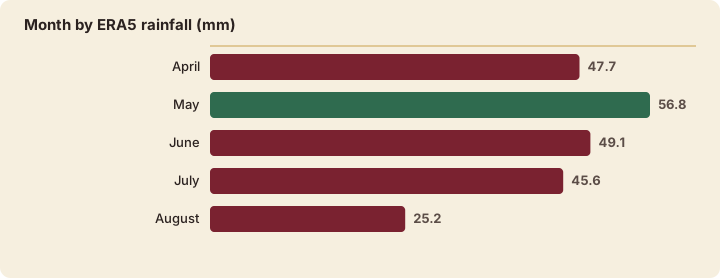
Climate shapes the calendar. The valley sits at low elevation on the Thracian plain, with the same continental pattern as Plovdiv, where the ERA5 reanalysis, 1991-2020, gives a mean daily high of 21.9 C in May, 25.9 C in June and 28.6 C in August. May carries the highest monthly rainfall of the year in that dataset at 56.8 mm, with March close behind at 55.0 mm, and August the lowest at 25.2 mm. The picking season and the shoulder months around it land in that transition from spring rain to summer heat.
| Month | ERA5 mean daily high (C) | ERA5 rainfall (mm) | Rose valley note |
|---|---|---|---|
| April | 17.1 | 47.7 | Fields green, no harvest yet |
| May | 21.9 | 56.8 | Highest rainfall month; harvest can begin |
| June | 25.9 | 49.1 | Core harvest window, festival month historically |
| July | 28.2 | 45.6 | Harvest over, full summer heat |
| August | 28.6 | 25.2 | Driest month of the year |
The spring months are the ones to watch for the whole region, not only Kazanlak. The site's Plovdiv in spring guide covers the same seasonal logic from the city side: spring is when the valley is at its most active and the weather has not yet reached the mean July and August highs.
What Is The Valley Of The Thracian Kings Around Kazanlak?
The Valley of the Thracian Kings is the Kazanlak area's concentration of Thracian burial mounds, the earthen tumuli under which Thracian elites were buried in domed tombs from roughly the first millennium BC into the Roman period, and several mounds around Kazanlak have been excavated and can be visited. The valley overlaps the Rose Valley geographically, the same plain holds the rose fields and the mounds, which is why a single day trip out of Plovdiv covers both without doubling the distance.
The name is a modern tourism label for a real archaeological pattern. Excavations around Kazanlak through the 20th century uncovered a series of tombs with painted or brick-vaulted chambers, and the region remains one of the densest concentrations of Thracian elite burial anywhere in Bulgaria. Other pages covering the same trip are gathered on Plovdiv Travel Guide.
For context before you go, Plovdiv itself has the best collection of Thracian and Roman material in the region at the Regional Archaeological Museum, whose permanent exhibition was renewed in November 2025 with about 150 new exhibits and a bilingual audio guide. Seeing the artefacts first and the tombs second, or the reverse, is a matter of taste; the pairing either way round is what makes the day.
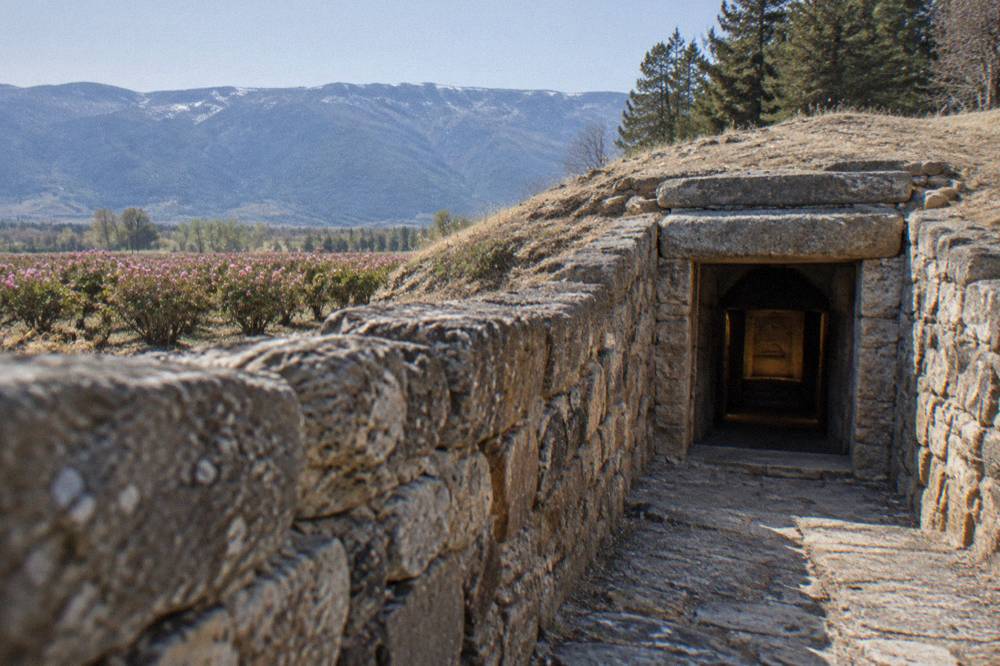
Two neighbouring sites deepen the Thracian theme if you have more than a day. The Starosel Thracian complex, covered on the Starosel day trip page, holds a temple-tomb complex in the hills west of the valley, and the team behind a Buzludzha-and-kings itinerary strings the same archaeology together with a striking 20th-century monument on the mountain above the valley.
How Much Does A Kazanlak Day Trip From Plovdiv Cost?
The transport and entry costs of a Kazanlak day trip are low by European standards, Bulgaria has used the euro since 1 January 2026 at a fixed rate of 1.95583 lev, and the only published entry prices for the wider region are Koprivshtitsa's house museums at about 10 euro combined and free entry at Bachkovo Monastery, while Kazanlak's own site fees are not published here and should be confirmed on arrival. Guided tours price themselves per person and render live on their listings, so compare on the operator's page rather than on figures quoted second hand.
For day-to-day costs in the region, the crowd-sourced numbers this site uses give a picture of the price level:
| Item | Crowd-data price level |
|---|---|
| Espresso in Plovdiv | About 2 euro |
| Half-litre of draught beer | About 2 euro |
| Plovdiv city bus, e-ticket | 0.50 euro |
| Koprivshtitsa six house museums, combined | About 10 euro |
| Bachkovo Monastery entry | Free |
| Kazanlak tomb and valley sites | Not published here, confirm locally |
Accommodation tax is one line to keep in mind if you stay over rather than day-tripping.
The guided alternatives price themselves differently, and the differences are in what they cover rather than a simple ladder. This is how the three operators featured on this page divide the same region:
| Tour | Region covered | Style |
|---|---|---|
| Kazanlak, Rose Valley and Valley of the Thracian Kings | Kazanlak town, rose fields, Thracian tombs | Private, from Plovdiv |
| Thracian Valley wine tasting | Vineyards of the same plain closer to Plovdiv | Private, wine focused |
| Bachkovo Monastery, Asen Fortress and the Wonderful Bridges | The Rhodopes south of Plovdiv | Small group, mountains |
The wine option deserves a note of its own, because the Thracian plain is also Bulgaria's wine heartland. The same valley that grows roses grows the native reds the region is known for, and a wine-focused variant of the day exists for travellers who would rather taste the plain than excavate it.
Should You Take A Guided Tour To Kazanlak From Plovdiv?
A guided tour is the right call if you want the tomb access logistics, the distillery stops and the valley's spread-out sites handled in one booking, while independent travel by hire car or regional transport suits travellers who prefer to set their own pace and accept checking opening hours site by site, and both approaches reach the same valley on the same roads. The deciding factors are time and confidence, not difficulty: nothing about the route is complicated, but the individual sites around Kazanlak are scattered, and their access rules shift with the seasons.
Guided options from Plovdiv come in two shapes. A private tour gives you the car, the driver-guide and the itinerary flexibility, and the Kazanlak private trip is the one built exactly around this page's route. Small group tours share the vehicle and the cost, and the Thracian Kings itinerary runs that way with a longer loop through the valley. Either style handles the practical questions this page has flagged throughout: which mounds are open, where the distilleries receive visitors, and how to sequence the stops before the afternoon heat.
Independent travellers should budget a full day and start early. The picking, when it happens, happens in the morning, and the tombs and museums keep regional hours rather than city hours.
What Can You Combine With Kazanlak From Plovdiv?
Kazanlak combines naturally with the Shipka area on the same road, with the Starosel Thracian complex to the west, and, over two days, with the southbound Rhodope circuit of Bachkovo Monastery and Asen's Fortress, all of them day trips from Plovdiv along the same few corridors out of the city. The geography is forgiving: the Thracian plain east of Plovdiv holds Kazanlak and Starosel, while the mountains south of Plovdiv hold the monastery and fortress country, and the two directions rarely interfere with each other.
The realistic pairings look like this:
| Combination | Direction from Plovdiv | What it adds |
|---|---|---|
| Shipka area | East, on the Kazanlak road | Mountain pass scenery, monument |
| Starosel Thracian complex | West of the valley | Hilltop temple-tomb site |
| Bachkovo Monastery and Asen's Fortress | South into the Rhodopes | Working monastery, fortress ruins |
| Koprivshtitsa | North into the Balkan foothills | Revival-era town, six house museums |
| Brestovitsa wine region | South, close to the city | Thracian valley wineries |
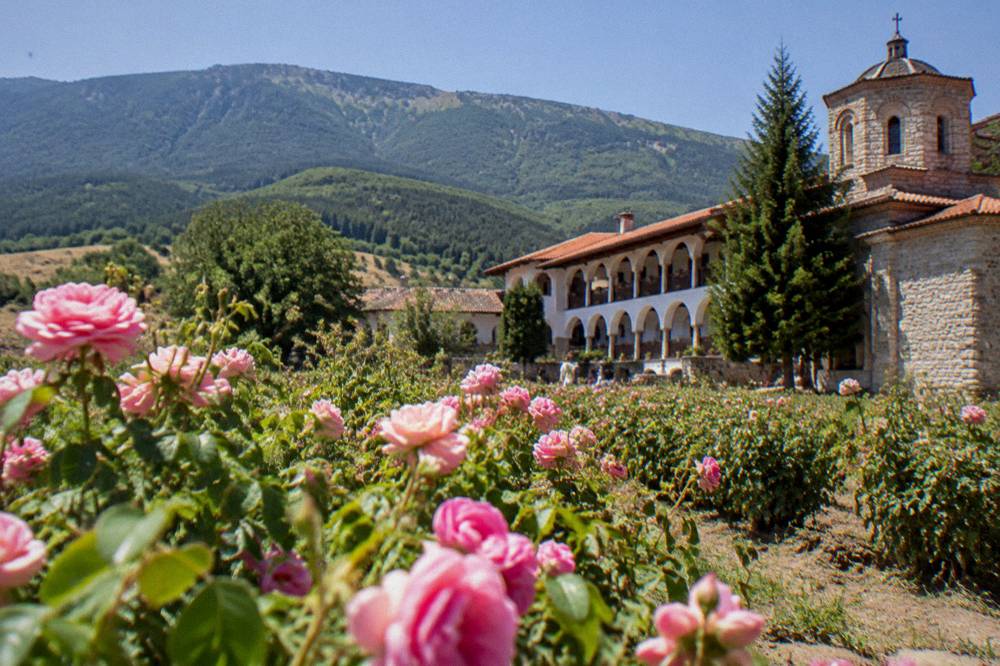
The southbound pair is the classic second day. Bachkovo Monastery, a working monastery about 30 km from Plovdiv with free entry, reached in 35 to 45 minutes by minibus from the Rodopi station, anchors one version of that day, and the fuller itinerary is on the Bachkovo Monastery day trip page. Asen's Fortress above Asenovgrad sits on the same road; the site charges a small entry fee whose figure is unclear, so carry cash and check at the gate, and the planning detail is on the Asen's Fortress page. A small group tour strings the monastery, the fortress and the Wonderful Bridges together:
Travellers with a week rather than a weekend can push the same corridors further: Stara Zagora sits beyond Kazanlak on the plain, and Veliko Tarnovo makes a longer loop north through the Balkan range. The wine traveller's version of the plain, closer to Plovdiv, is on the Brestovitsa wine region page.
What Should You Know Before You Go To Kazanlak From Plovdiv?
Bring euro cash for rural sites, travel in late May or June if the rose harvest is the purpose of the trip, confirm festival dates and tomb opening hours locally because no 2026 or 2027 festival date is announced, and plan for continental weather, with ERA5 reanalysis, 1991-2020, putting June highs at 25.9 C in the region. Bulgaria has used the euro since 1 January 2026 and is a full Schengen member since 1 January 2025, so the practicalities are simpler than older guides suggest: one currency, open land borders, visa-free entry for US, UK, Canadian and Australian citizens for 90 days in any 180.
A few final planning notes in brief. The emergency number in Bulgaria is 112, the standard EU-wide number. Plugs are type C and F at 230 V. Tipping follows the general Bulgarian custom of about 10 percent in restaurants for good service. And the Plovdiv base itself deserves its share of the trip: the city's Old Town sites, ticketed at 3.58 euro per site on the Old Plovdiv list, are covered on the pages of this site, including the Roman-era monuments described in the things to do in Plovdiv overview.
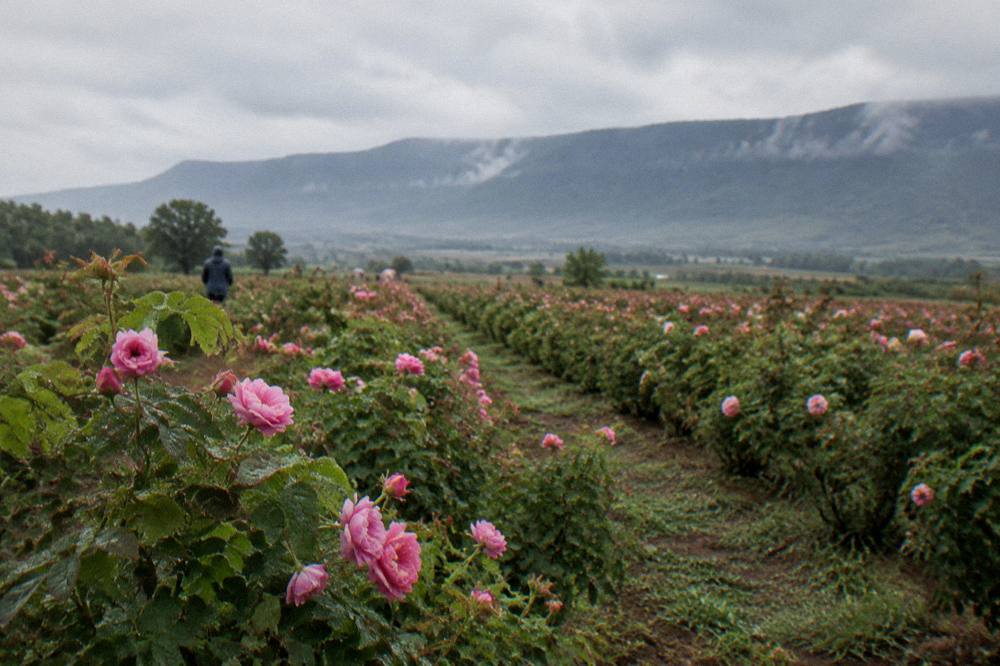
The Rose Valley rewards two kinds of traveller differently. The June visitor gets picking, distillery steam and the year's one harvest window. The shoulder-season visitor gets empty mounds, cool walking and the whole Valley of the Thracian Kings without crowds, and the rose story told at the distilleries year round. Both versions start the same way, with a morning departure from Plovdiv across the plain.
Common Questions About Kazanlak From Plovdiv
How far is Kazanlak from Plovdiv?
Kazanlak lies east of Plovdiv across the Thracian plain, a day trip by road or rail.
When is the Rose Festival in Kazanlak?
The rose harvest and its festival have historically fallen in late spring and early summer, concentrated around June.
Can you visit the Thracian tomb at Kazanlak?
Check on arrival or travel with an operator who tracks current access.
Do you need a car for a Kazanlak day trip from Plovdiv?
A car is the most flexible option because the mounds, distilleries and fields are spread across the valley, but regional transport links Plovdiv with the town, and guided tours from Plovdiv cover the whole loop with transport included.
What currency do you need in the Rose Valley?
Carry some euro cash for small rural sites where card payment may not be available.
Is Kazanlak worth visiting outside rose season?
Yes, for the Valley of the Thracian Kings, the tomb sites and the distillery visits, which run outside the harvest. What you miss outside the late spring and early summer window is the picking itself, which lasts only a short period each year.