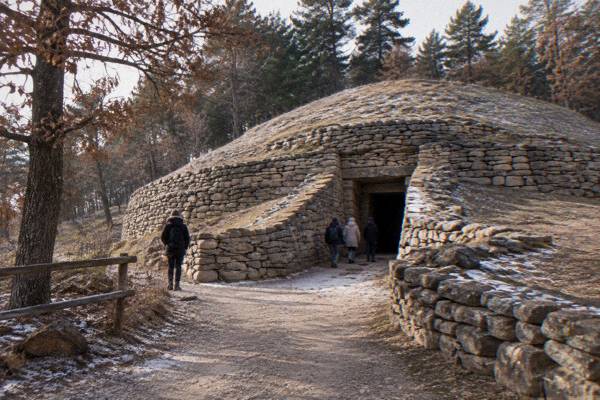
Starosel: The Thracian Temple Complex And Wine
Starosel sits in the hills of the Thracian Valley south of Plovdiv, where ancient cult complexes meet one of Bulgaria's wine heartlands. This guide covers the site, the wine country around it and how to plan the day.
Short answer
Starosel is a Thracian cult complex in the Thracian Valley, reached as a day trip from Plovdiv by car or tour. Entry fees and hours are not reliably published, so confirm locally; combine the visit with wineries in the same valley.
Starosel is a village and archaeological complex in the Thracian Valley, the wine-growing hill country that stretches away from Plovdiv in southern Bulgaria. Plovdiv itself is Bulgaria's second-largest city, an inland place built around six hills, and it works as the natural base for this trip: the valley's Thracian heritage sites and its vineyards sit close enough together that a single day can cover both. The Plovdiv Travel Guide treats Starosel as a wine-and-antiquity pairing rather than a standalone monument, and this page explains why.
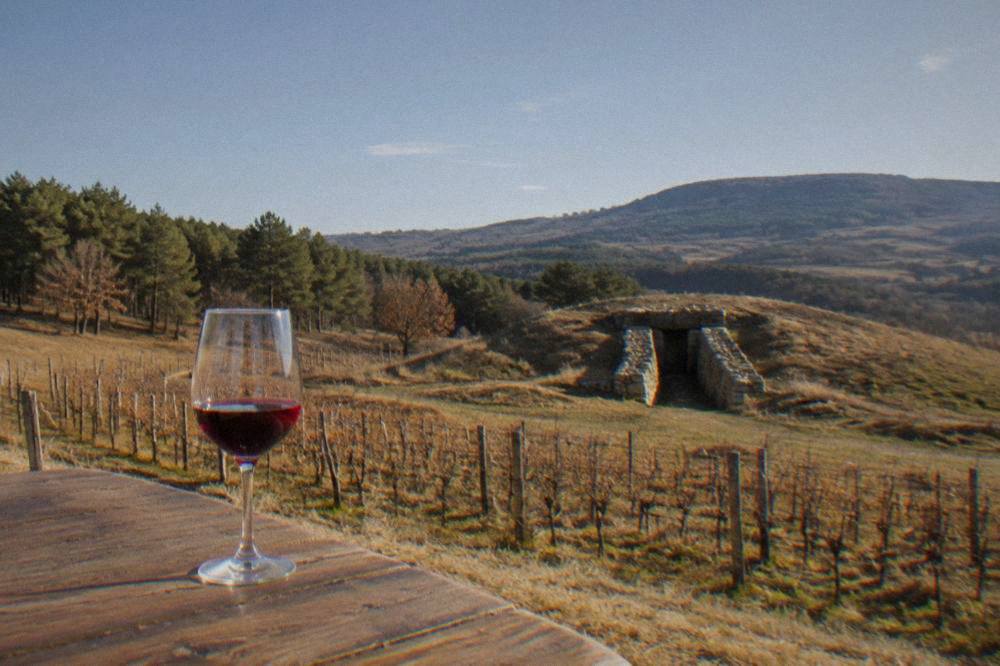
The region's story is unusually direct. The Thracians, the peoples who lived across these lands before Roman rule, built cult and burial complexes in the hills, and the Thracian Valley later became one of Bulgaria's registered wine regions, growing local varieties such as Mavrud and Rubin alongside international grapes. Starosel belongs to both chapters. The complex sits above the village, and the wineries of the valley sit within easy driving distance of it, which is why guided products so often sell the two together.
What Is Starosel And Why Visit It From Plovdiv?
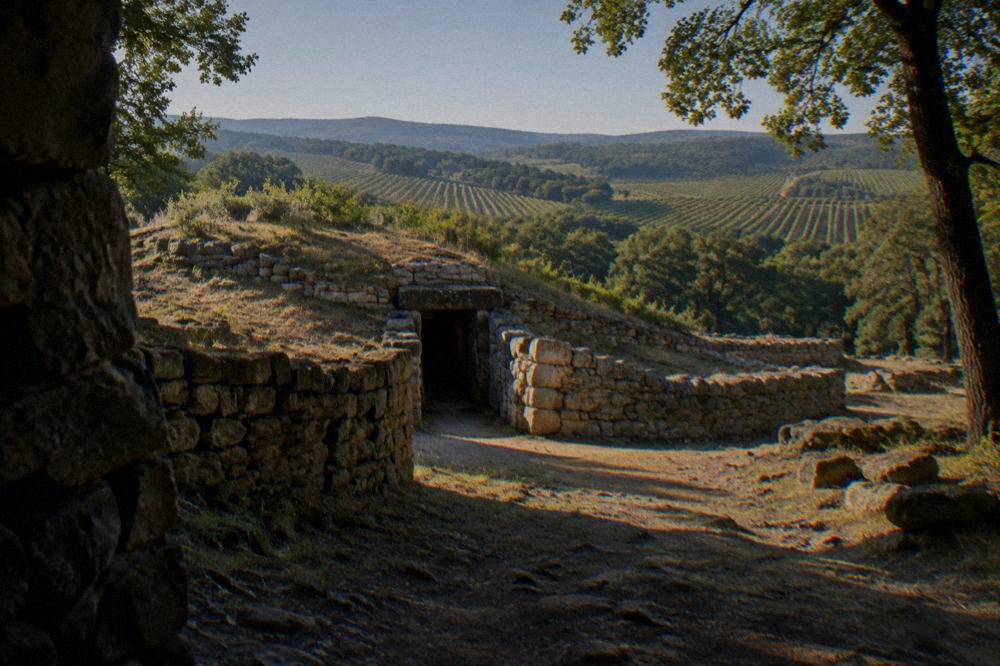
Starosel is a Thracian cult complex in the Thracian Valley, a hill region south of Plovdiv in southern Bulgaria, best known for a monumental stone temple complex with a ceremonial stairway and surrounding vineyards. It is one of the clearest places to see Thracian heritage within day-trip range of Plovdiv, and the valley around it doubles as one of the country's wine regions.
Plovdiv's own antiquity is Roman and, deeper still, Thracian. The city is often described as one of the oldest continuously inhabited cities in Europe, and the official city tourism site dates the first settlement on Nebet Tepe, one of its six hills, to the 4th millennium BC. The Roman layer on top of that, the Ancient Theatre, the Roman Stadium, the Bishop's Basilica, is what fills the city centre. Starosel is the chapter before Rome, and that is its value: it shows the ceremonial world of the peoples whose settlements the Romans later absorbed.
The pairing with wine is not an invention of the tourism industry. The Thracian Valley is a registered Bulgarian wine region, and the same hills that hold the cult complexes hold vineyards planted with Mavrud and Rubin, varieties the valley is known for. Estates in the area run tours and tastings, and booking ahead is the norm. Our Bulgarian wine guide covers the varieties and styles in detail.
Curious how Mavrud and Rubin taste? Book a wine tasting here.
For a sense of what else the wider region holds, the Thracian kings theme repeats across several sites within reach of Plovdiv, and the itineraries around things to do in Plovdiv collect the in-city alternatives for days when a long drive does not appeal.
How Do You Get From Plovdiv To Starosel?
Starosel is reached from Plovdiv by road through the Thracian Valley hills, either by rental car, by taxi or by a guided day tour, and public-transport connections for this exact route are sparse, so travellers relying on buses should confirm connections locally before committing to the day. A car or a tour removes the guesswork.
What can be said is that the valley roads are ordinary rural roads, that the trip is comfortably a day return, and that guided tours from Plovdiv exist precisely because the public links are thin.
Two products on this site cover the ground directly. The Starosel and Staro Zhelezare excursion runs as a shared day trip, and there is a private version of the same territory. Both are listed below with their live details.
Driving yourself opens the valley up.
What Will You Actually See At The Starosel Complex Near Plovdiv?
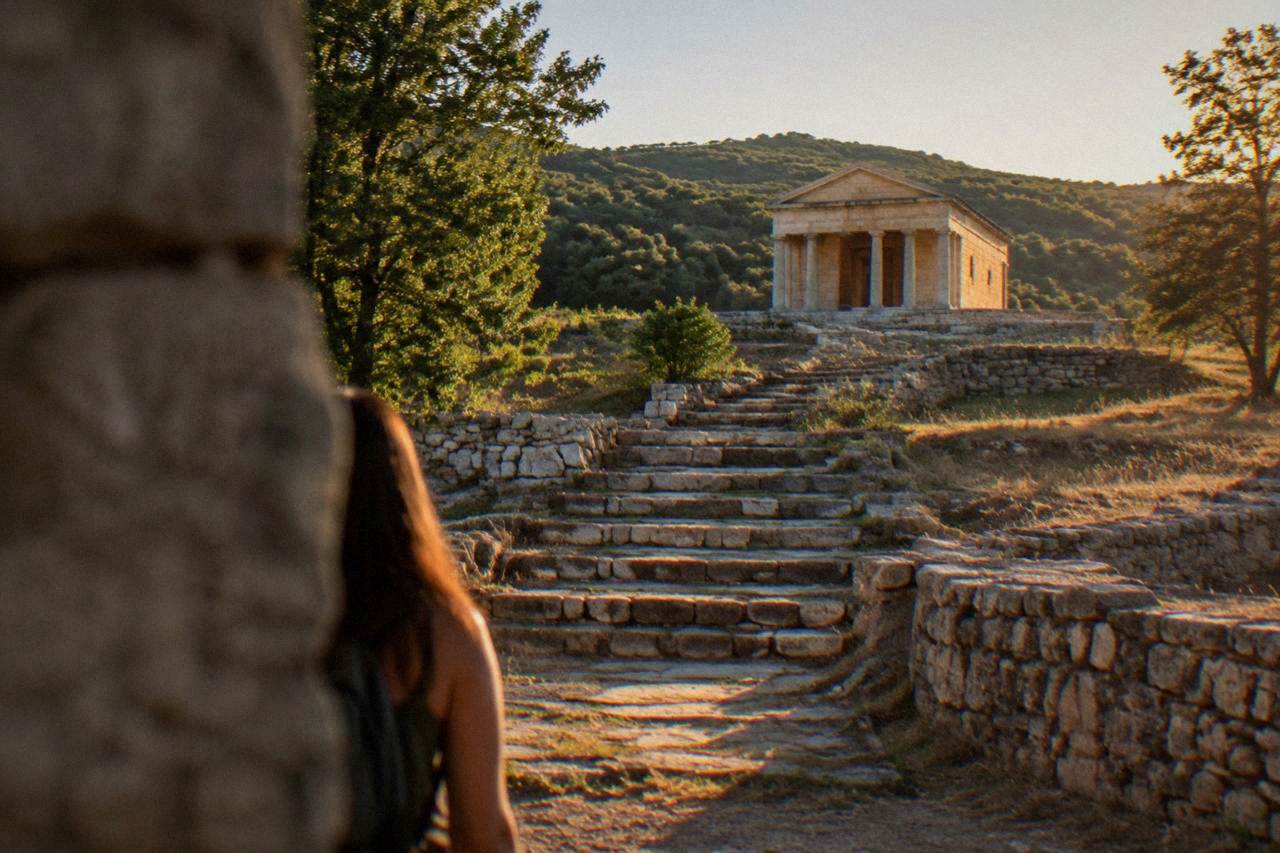
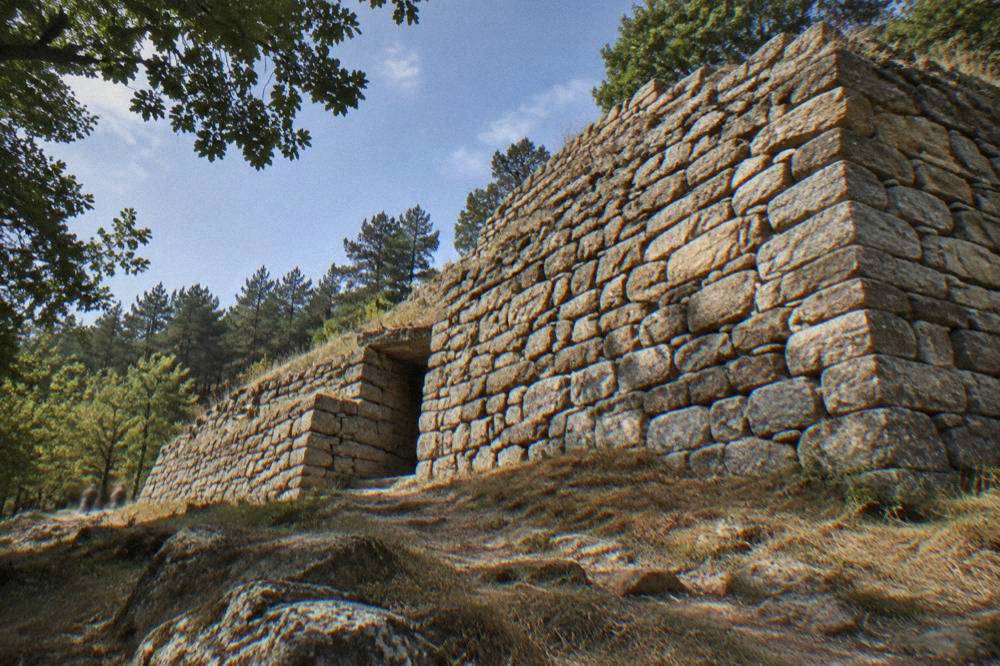
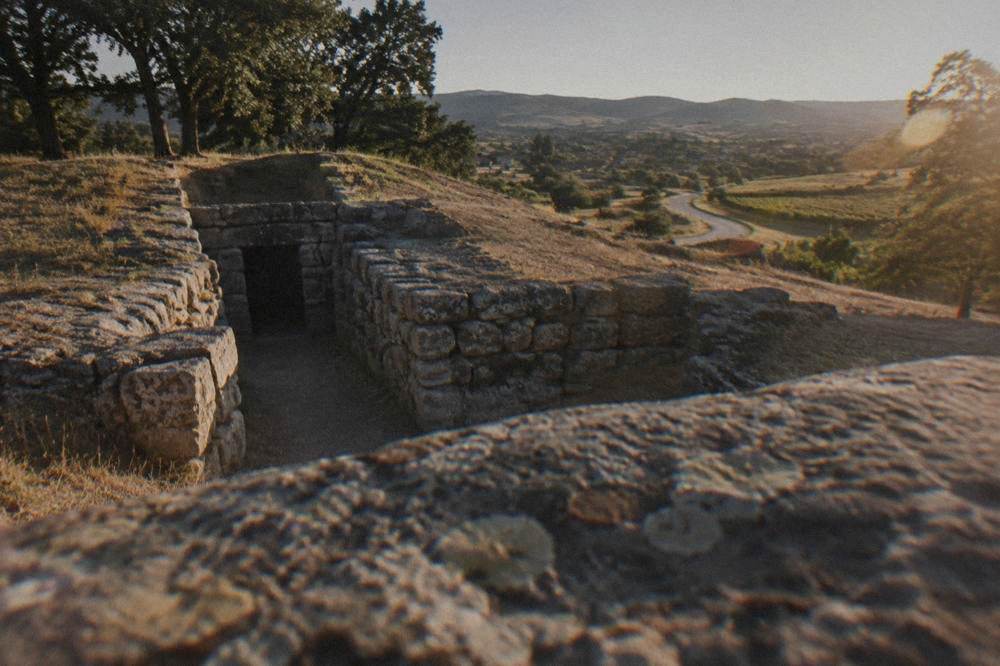
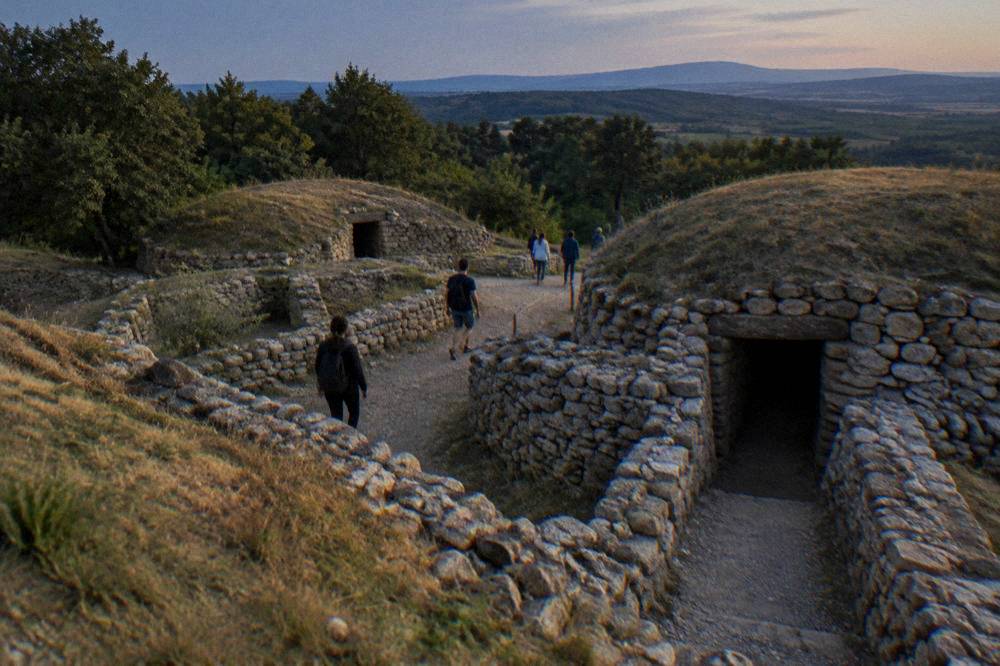
The Starosel complex is a hilltop Thracian cult site built of large stone blocks, with a processional stairway, a fenced ceremonial enclosure and views across the Thracian Valley, and the standard visit is a walk of the enclosure and the surrounding archaeological park rather than a museum interior. Confirm hours and entry fees locally.
The architecture is the draw. Thracian cult complexes of this valley were built with monumental stone walls and ritual layouts, and Starosel's stairway and enclosure are among the most striking examples open to visitors. The setting does half the work: the site stands high enough that the valley's vineyards and hills read as one landscape, which is exactly the combination that makes the day trip work. Visitors should treat opening arrangements as changeable, arrive with cash as a precaution and check locally before setting out.
Because the complex sits in the same valley as working wineries, the visit splits naturally into a morning at the stones and an afternoon at a tasting room. That is the shape of the featured product on this page, a private Thracian Valley wine-tasting day tour from Plovdiv, which covers valley wineries with a guide and a driver. See the tour's live listing for what the current from-price includes, and check availability early for weekend dates.
If the Thracian theme is what pulls you, the Regional Archaeological Museum in Plovdiv renewed its permanent exhibition in November 2025 with about 150 new exhibits and a bilingual audio guide, and it makes a sensible preparation or debrief. The Regional Archaeological Museum guide covers it.
| Day trip | Theme | Entry cost | Detail |
|---|---|---|---|
| Starosel | Thracian cult complex in wine country | Confirm locally | Pre-euro ticket figures exist but no current official price was confirmed |
| Kazanlak and the Rose Valley | Thracian tombs and rose heritage | Varies by site | See the dedicated guide |
| Bachkovo Monastery | Medieval monastery | Free entry (reported) | About 30 km from Plovdiv; minibuses 35 to 45 minutes |
| Koprivshtitsa | Revival-era town museums | About 10 euro for six houses (reported) | House-museum combined ticket |
| Asen's Fortress | Medieval fortress near Asenovgrad | A fee exists, figure unclear | Confirm on site |
How Does Starosel Fit With Plovdiv's Own Antiquities?
Starosel shows the pre-Roman Thracian layer of the region, while Plovdiv's city-centre monuments show the Roman and early-Christian layers on top of it, so the pairing works chronologically: read the Thracian valley first, then the Roman city, or reverse it and let the museum close the loop. Neither half needs the other, but together they explain the whole sweep.
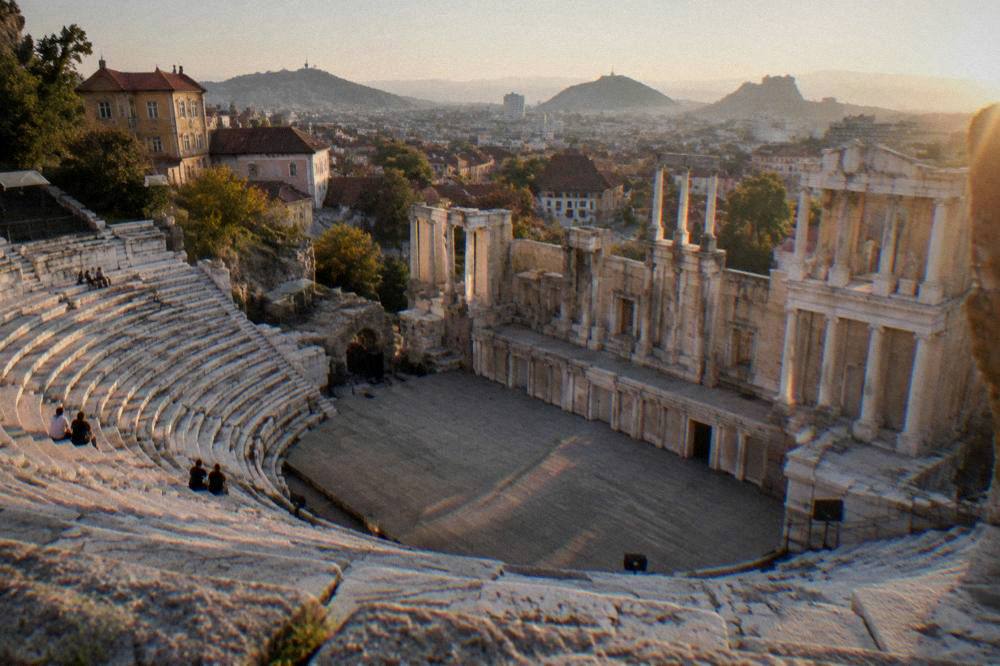
The Ancient Theatre of Philippopolis was built in the 90s of the 1st century AD and has 28 concentric rows of marble seats. The Roman Stadium was built in the 2nd century AD on the model of the stadium at Delphi and held up to 30,000 spectators, though only its northern part, the sphendone, is accessible today, with the rest still under the Main Street. The Bishop's Basilica, about 83 m long and 36 m wide, is the largest 4th to 6th century basilica in Bulgaria, with two layers of floor mosaics covering over 2,000 sq m. The Ancient Theatre guide and the Roman Stadium guide carry the full detail.
This site quotes the euro figures:
| Old Plovdiv ticket | Adult | Student | Family |
|---|---|---|---|
| Any one site (except Bishop's Basilica) | 3.58 euro | 1.53 euro | 7.16 euro |
| Bishop's Basilica | 7.57 euro | 3.58 euro | 15.34 euro |
| Combined, up to 5 sites | 10.74 euro | 4.09 euro | 21.47 euro |
| Roman Stadium 3D hall | 3.68 euro | 1.23 euro | Ask on site |
One caution that repeats across this site: the combined ticket's validity period is not published, so do not plan around a 48-hour assumption. Check the terms when buying.
A second table covers the opening rhythm, since the museums and houses do not all share hours:
| Site in Plovdiv | Days | Notes |
|---|---|---|
| Ancient Theatre | Daily | Summer 9:30 to 18:00, winter 9:00 to 17:30, lunch break 12:30 to 13:00 |
| Roman Stadium sphendone | Open air | Free viewing at any time |
| Regional Archaeological Museum | Tue to Sun | Closed Monday |
| Regional Ethnographic Museum | Tue to Sun | Closed Monday |
| Bishop's Basilica | Daily | 9:00 to 18:00 year round |
Can You Combine Starosel With Wine Tasting Around Plovdiv?
Yes, and the combination is the point: Starosel sits inside the Thracian Valley wine region, where estates within a short drive of the site pour Mavrud, Rubin and international varieties, and several operators run the pairing as a single guided day from Plovdiv with transport and tastings arranged. Booking ahead matters, because tasting rooms work on appointments.
The valley's wineries range from small family estates to larger visitor operations, and many sit 15 to 45 minutes' drive from Plovdiv by car, per the operator listings. What unites them is the grape story: Mavrud is the local red that the Thracian Valley is known for, Rubin is a Bulgarian crossing, and the region also bottles the mainstream international varieties. A tasting is typically a guided pour of several wines, sometimes with cheese or other pairings, and prices are set by each estate, so confirm at booking.
The featured product on this page is the private Thracian Valley wine-tasting day tour, which handles the itinerary, the driving and the reservations. The booking page shows the current from-price and the exact inclusions.
For a self-driven alternative, the Brestovitsa wine region day trip covers the cluster of estates nearest Plovdiv, and Bulgarian wine explains the labels. Rakia, the fruit spirit that ends many Bulgarian meals, has its own guide to rakia on this site.
What Other Day Trips From Plovdiv Pair With Starosel?
Starosel sits at the western edge of a day-trip belt around Plovdiv that includes Hisarya's Roman ruins and spa town, Koprivshtitsa's Revival-era house museums, the Rose Valley around Kazanlak and the monastery route through Bachkovo and Asen's Fortress to the south, so a two- or three-base stay in Plovdiv can chain several of them without backtracking.
The neighbours divide cleanly by direction. North and west of the valley lie Hisarya, a Roman spa town with walls, and Koprivshtitsa, whose six house museums sell a combined ticket reported at about 10 euro. East lie Kazanlak and the Rose Valley and the Thracian tombs of the Valley of the Kings. South lie Bachkovo Monastery and Asen's Fortress, then the Rhodopes. Starosel is the wine-country hinge in the middle of the western half.
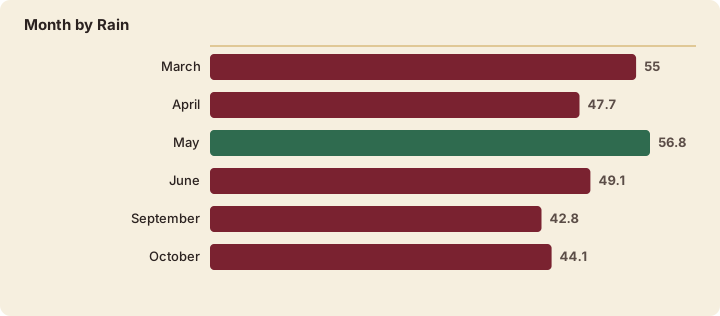
The comparison table earlier in this page covers entry costs. A second angle is season, and the ERA5 reanalysis, 1991-2020, gives the modelled picture for the Plovdiv grid cell:
| Month | Mean daily high | Mean daily low | Rain |
|---|---|---|---|
| March | 12.1 C | 2.1 C | 55.0 mm |
| April | 17.1 C | 6.4 C | 47.7 mm |
| May | 21.9 C | 11.5 C | 56.8 mm |
| June | 25.9 C | 15.4 C | 49.1 mm |
| September | 23.8 C | 13.8 C | 42.8 mm |
| October | 18.1 C | 8.8 C | 44.1 mm |
May carries the highest monthly rain total in the modelled normals at 56.8 mm, and August the lowest at 25.2 mm with a mean daily high of 28.6 C, which is why late spring and early autumn are the comfortable windows for walking a hilltop site and then sitting on a tasting-room terrace. The best time to visit Plovdiv and Plovdiv in autumn guides expand on this.
What Does A Starosel Day Trip From Plovdiv Actually Cost?
The honest answer splits in two: the Starosel entry fee has no current official figure, because the price circulating in older sources is a pre-euro figure from before 1 January 2026, so budget for a modest site ticket and confirm on arrival, while the guided day trips that include Starosel or the wine valley price themselves per person with transport, guide and tastings listed in each live listing.
For context on local prices, crowd data for Plovdiv puts an espresso and a half-litre of draught beer at around 2 euro each, and a mid-range three-course meal for two at roughly 30 to 40 euro. A restaurant meal near Starosel village is likely to sit at or below city levels, but no village restaurant was individually checked, so treat those figures as orientation only.
Tipping follows the national norm: around 10 percent in restaurants for good service, with rounding up common elsewhere. A tourist tax may be charged by your accommodation in Plovdiv, but its 2026 euro rate is not reliably published, so confirm at booking. Emergency services anywhere in Bulgaria answer on 112.
Is Starosel Worth The Trip Compared With Staying In Plovdiv?
For travellers with two or more days in Plovdiv, Starosel earns its slot because it adds the Thracian and wine-country layer that the city itself cannot supply, while a one-day visitor should stay in town, since Plovdiv's Old Town, Roman sites and Kapana district already fill a full day without a car or a guide. The trip is a second-day purchase, not a first-day one.
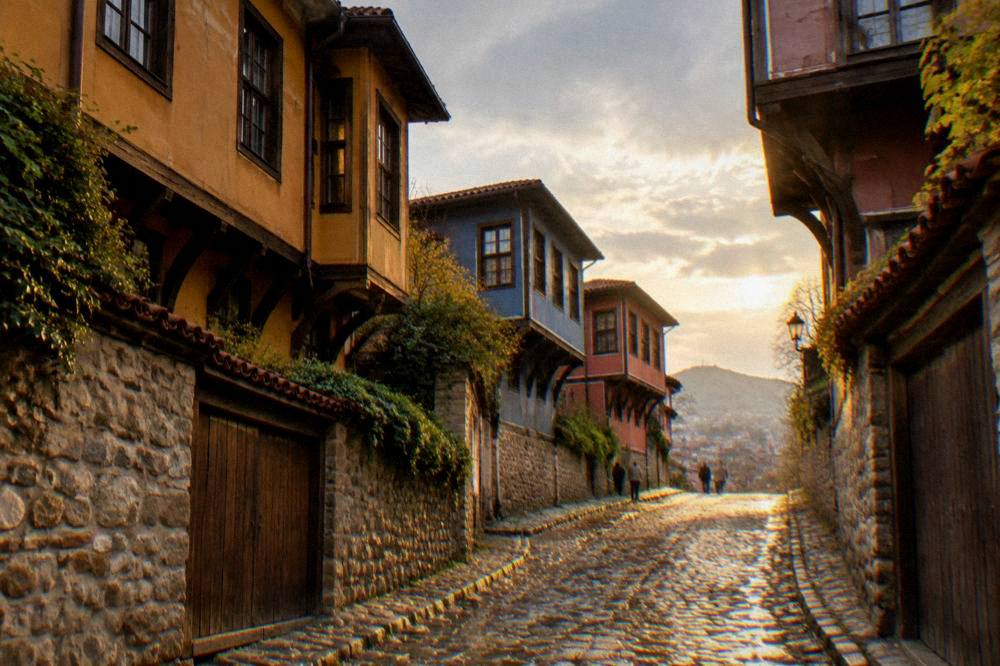
The one-day case is strong. The Old Town's Revival-era houses, the Ancient Theatre, the free sphendone of the Roman Stadium and the maze of Kapana, whose name means "The Trap", compress into a walkable circuit. The Plovdiv in one day and Plovdiv itinerary pages sequence it. From day two onward, the valley calls, and Starosel is the day trip that most cleanly combines archaeology with a glass of Mavrud at the end of it.
A city walk led by a guide is the other way to buy the first day, and the roster carries two strong options: a classic guided walking tour and a private version. Both are listed here with live prices and ratings.
For the onward traveller, the same logic extends: Sofia is about 2 h 40 to 3 h 05 away by direct train, and Starosel fits a route that leaves the capital, crosses the valley and ends in Plovdiv. The Bulgaria itinerary page draws that line across the whole country.
Common Questions About Starosel And Day Trips From Plovdiv
How far is Starosel from Plovdiv?
Confirm the distance and driving time locally. The trip is comfortably a day return by car or guided tour; travellers depending on public transport should confirm connections locally before committing.
What is the entry fee for the Starosel Thracian complex?
The figure circulating in older sources is a pre-euro price from before 1 January 2026, and no current official euro price was confirmed. Budget for a modest site ticket, bring cash as a precaution and check on arrival.
Can you visit Starosel and go wine tasting on the same day?
Yes. Starosel sits inside the Thracian Valley wine region, and estates within a short drive pour Mavrud, Rubin and other varieties. A private wine-tasting day tour from Plovdiv covers the valley with a guide and driver; check availability through the listing on this page.
Is Starosel reachable by public transport from Plovdiv?
Thin and unconfirmed. Guided tours exist largely because the links are sparse, so confirm any timetable locally. Renting a car or booking a tour is the dependable route; the Plovdiv car rental guide covers the basics.
What else can you combine with Starosel from Plovdiv?
Hisarya's Roman walls and springs, Koprivshtitsa's house museums, the Rose Valley around Kazanlak and, to the south, Bachkovo Monastery and Asen's Fortress all sit in the same day-trip belt. A two- or three-day stay in Plovdiv can chain several without backtracking.
When is the best time of year for a Starosel day trip?
Late spring and early autumn. The ERA5 reanalysis for 1991-2020 models May as the wettest month at 56.8 mm and August as the driest at 25.2 mm with a mean daily high of 28.6 C, so May, June and September balance comfortable walking weather against rain.
Starosel rewards exactly one kind of traveller: the one who wants the chapter before Rome and a valley of vines in the same day, with Plovdiv, a city often described as one of the oldest continuously inhabited in Europe, waiting at the end of the road with its own layers on top.