Bulgarian Roses And Rose Oil: What To Buy And Where
Bulgarian rose oil is the country's most famous export, and Plovdiv is the natural base for reaching the Rose Valley where it is produced. This guide explains what rose oil actually is, what to buy, and how to plan the trip.
Short answer
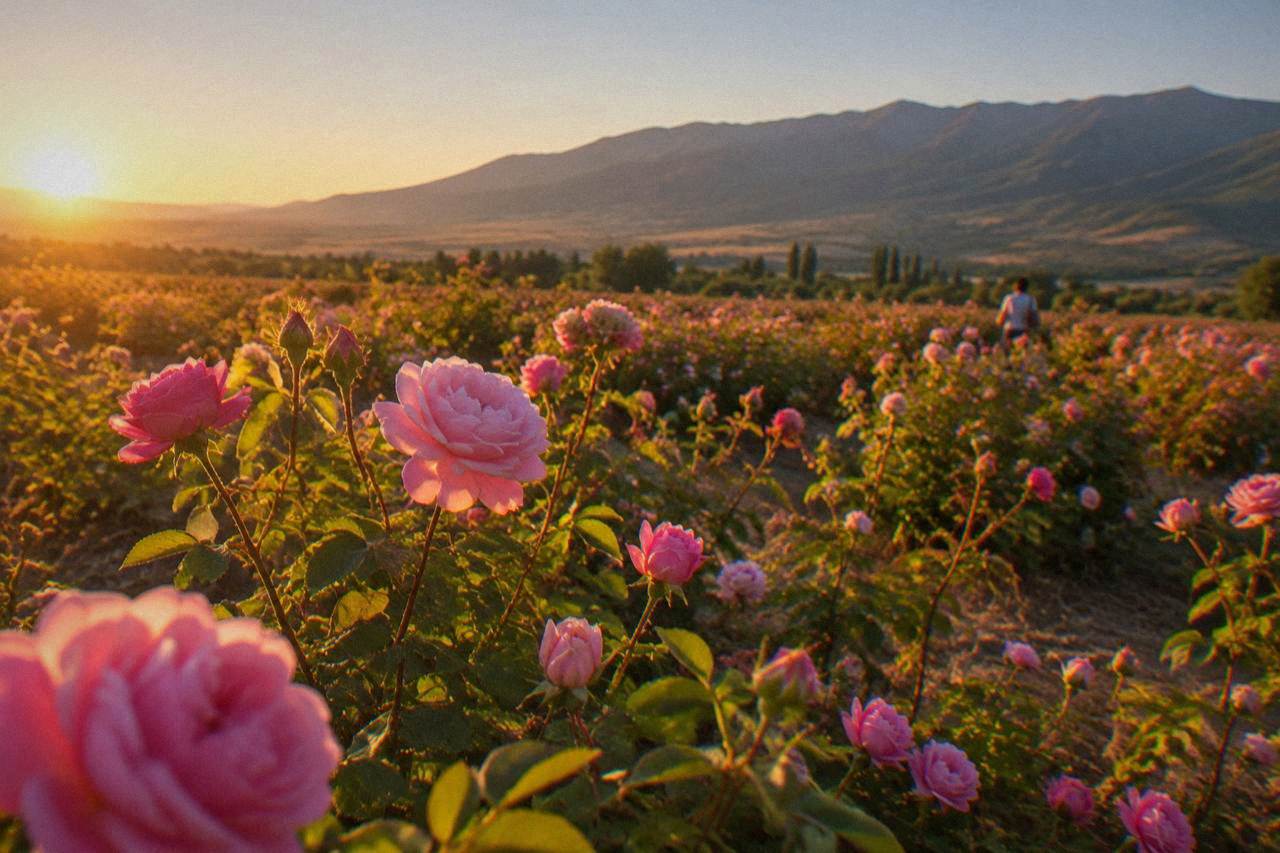
Bulgarian rose oil is the essential oil distilled from Damask roses grown in the Rose Valley around Kazanlak, north of Plovdiv. Plovdiv makes a practical base: guided day trips to the Rose Valley and the Thracian sites around it run from the city, and rose water, soaps and cosmetics are sold in Plovdiv shops year round. The harvest and festival season sits in late spring, so timing matters.
Bulgarian rose oil, the distilled essence of the Damask rose, is the product Bulgaria is most famous for, and Plovdiv, the country's second-largest city in southern Bulgaria, sits closer to the heart of that trade than anywhere a visitor is likely to stay. The Rose Valley lies north of the city, and day trips from Plovdiv reach it comfortably. This guide covers what rose oil actually is, what to look for when buying it, and how to plan a rose-centred visit around the city.
What Is Bulgarian Rose Oil And Why Does It Matter Around Plovdiv?
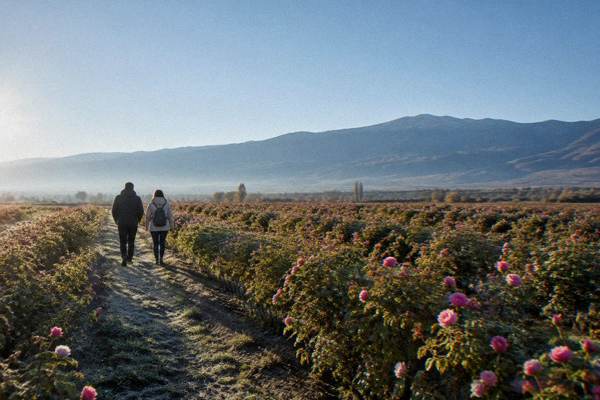
Bulgarian rose oil, also called rose otto or attar, is the essential oil distilled from the flowers of the oil-bearing rose grown in Bulgaria's Rose Valley, the region around Kazanlak north of Plovdiv. It is the raw material behind perfumes, cosmetics and food-grade rose water, and it is the product Bulgaria is most closely associated with internationally. Plovdiv matters here as a base: the valley's main towns are reachable on organised day trips from the city.
Rose oil is not a perfume in itself. It is a concentrated aromatic oil obtained by distilling freshly picked rose petals, and it takes an enormous quantity of flowers to yield a small amount of oil, which is why genuine rose oil is priced like a luxury material and diluted products are common. The petals also yield rose water, the hydrosol left over from distillation, which is used in cosmetics and in cooking.
What makes the Bulgarian product distinctive is geography and climate. The Rose Valley sits between two mountain ranges, and its combination of humidity, soil and spring weather suits the oil-bearing rose. Plovdiv, on the plain south of that valley, shares the continental climate: ERA5 reanalysis, 1991-2020, puts the mean daily high at 21.9 C in May and 25.9 C in June, the months when the bloom and the harvest fall.
For a visitor, the practical relevance is simple. Rose oil, rose water, rose soaps, jams, liqueurs and cosmetics are among the most popular souvenirs in Bulgaria, and they are sold in Plovdiv as widely as anywhere in the country. Knowing what is genuine, what the labels mean and where the product comes from turns a souvenir purchase into something worth doing properly. The city also makes a sensible launch point for seeing the valley itself, either on a tour or independently, and the Kazanlak and Rose Valley day-trip guide on this site covers that route in detail.
Where Does The Bulgarian Rose Valley Sit, Relative To Plovdiv?
The Rose Valley is the region north of Plovdiv centred on Kazanlak, in the fold between the Balkan Range and Sredna Gora, where the oil-bearing rose has been grown commercially for centuries. Plovdiv sits south of the valley on the Thracian plain and is the closest major city with full tourist infrastructure, which is why rose-related day trips are sold as Plovdiv departures.
Kazanlak is the valley's hub, and its name is attached to the rose the way Champagne is attached to its wine region. Around it lie the rose fields themselves, distilleries large and small, and, less obviously, one of the densest concentrations of Thracian archaeological sites in Bulgaria, including the Kazanlak Tomb and the Valley of the Thracian Kings. That combination is why so many tours bundle roses and Thracian heritage into a single day: the territory overlaps.
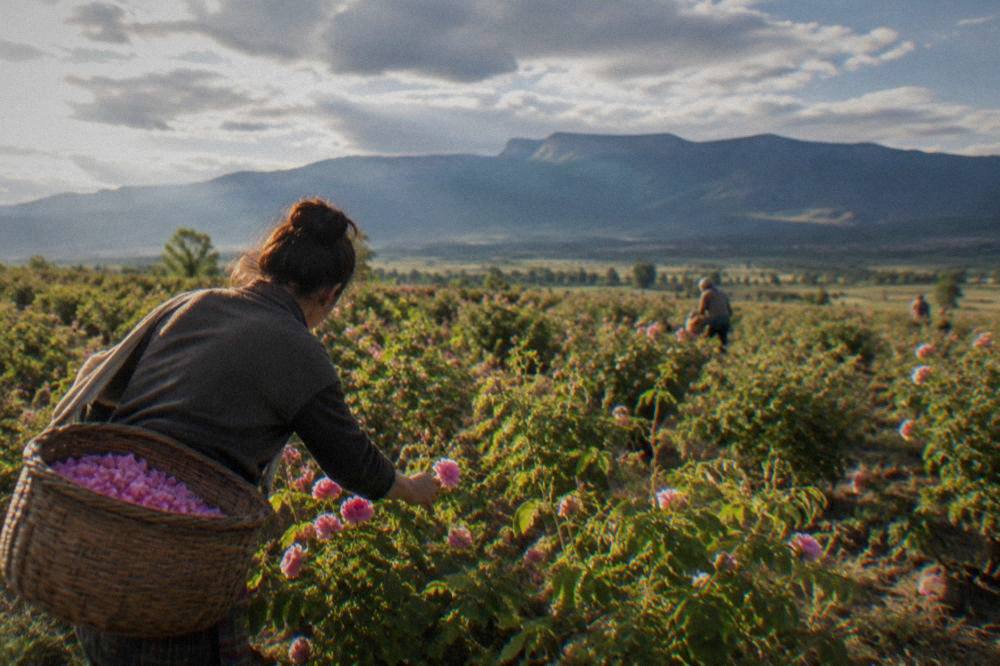
The rose harvest is short. The bloom peaks in late May and early June, and picking happens in the early morning while the oil content of the petals is at its highest. Outside that window the fields are quiet, distilleries run on stored material or not at all, and the rose experience narrows to shops, museums and small distillery visits. Travellers hoping to see the harvest itself need to time the trip for that late-spring window and confirm the exact bloom timing locally, because it shifts with the weather each year.
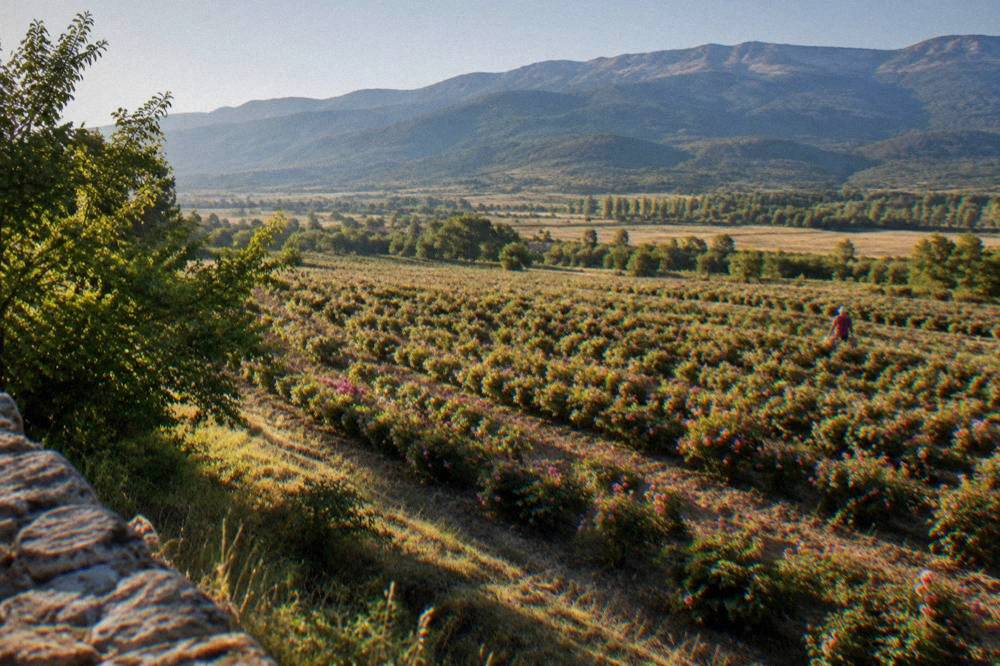
Getting there independently is possible but fiddly, and joining an organised trip is the common choice from Plovdiv. Operators run combined itineraries that link the Rose Valley with the Thracian kings' tombs, and some add the Buzludzha monument, the abandoned hilltop structure that has become one of Bulgaria's most photographed sites. The tours below are the ones worth comparing for a rose-and-Thracian day out of the city.
To let someone else handle the driving, book a Rose Valley day trip here.
A note on expectations. Even in high season, a Rose Valley trip is usually half roses and half archaeology, and the drive between sites fills a full day. Packing sun protection and water matters: June in the valley is warm, and the ERA5 reanalysis, 1991-2020, mean daily high for the region's lowlands in June runs in the mid-20s Celsius.
Can You See A Rose Festival Or The Harvest On A Trip From Plovdiv?
Yes, in late May and early June, when the rose bloom peaks and rose festivals are held in the Rose Valley towns, most prominently in Kazanlak. Festival programmes, parade days and harvesting demonstrations are announced locally each year, so a visitor should confirm the current year's dates before committing to a trip, and the same window applies to seeing picking in the fields.
The rose festival tradition in Kazanlak is a decades-old celebration with folk programmes, a rose-picking ritual and the crowning of a rose queen, but the programme is published season by season, so check the current dates. What can be said is that the festival falls in the harvest window, that it draws domestic and foreign visitors, and that accommodation in the valley books up around it. Confirming dates with the Kazanlak municipality or the festival's own channels before booking anything is the reliable approach.
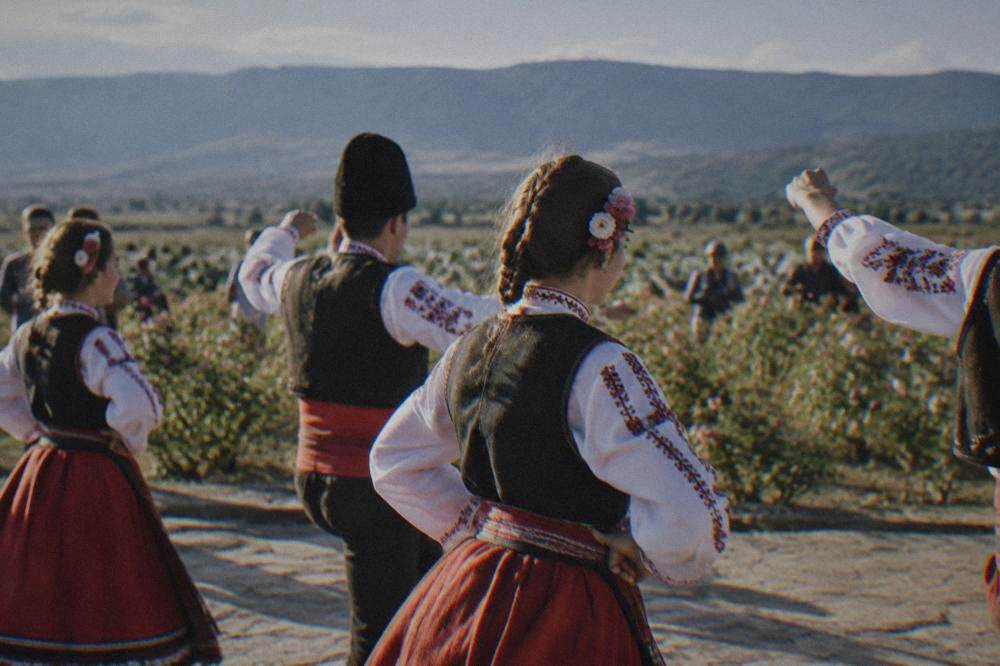
Plovdiv itself hosts major seasonal events that pair well with a rose-season visit, and the city's latest festival calendar gives a sense of the rhythm of the year:
| Event In Plovdiv | Latest Edition Listed | Venue |
|---|---|---|
| Opera Open festival | 23 June to 9 September 2026 | Ancient Theatre of Philippopolis |
| Kapana Fest, autumn edition | 2 to 4 and 9 to 11 October 2026 | Bridge over Gladstone Street, Central Square |
| Plovdiv Jazz Fest, fall edition | 6 to 8 November 2026 | Boris Hristov House of Culture |
| Christmas in Plovdiv | 1 December 2026 to 7 January 2027 (announced) | Kapana and Central Square areas |
A late-spring itinerary can therefore combine the Rose Valley harvest with Plovdiv's own pre-summer programme, and the Plovdiv in spring guide and the best time to visit Plovdiv guide cover that planning in depth. For anyone whose dates are fixed outside the harvest window, the rose story is still accessible through shops and distillery visits, just without the spectacle.
What Rose Products Should You Buy, And How Do You Spot Real Rose Oil?
The main rose products sold to visitors are rose essential oil, rose water, rose cosmetics such as soaps and creams, and food items including rose jam and rose liqueur. Genuine rose oil is sold in very small vials because the yield from distillation is tiny, so large, cheap bottles labelled as rose oil are almost certainly diluted or synthetic, and the ingredient list is the first thing to check.
Rose oil itself should be labelled as pure essential oil, ideally with the botanical name of the rose and a country of origin, and it should be priced in a way that reflects its scarcity. Anything sold as rose oil at the price of a souvenir trinket is not the distilled material. Rose water is the more forgiving purchase: it is the aromatic water from distillation, it is inexpensive by nature, and it is used both as a skin toner and in Balkan and Middle Eastern cooking.
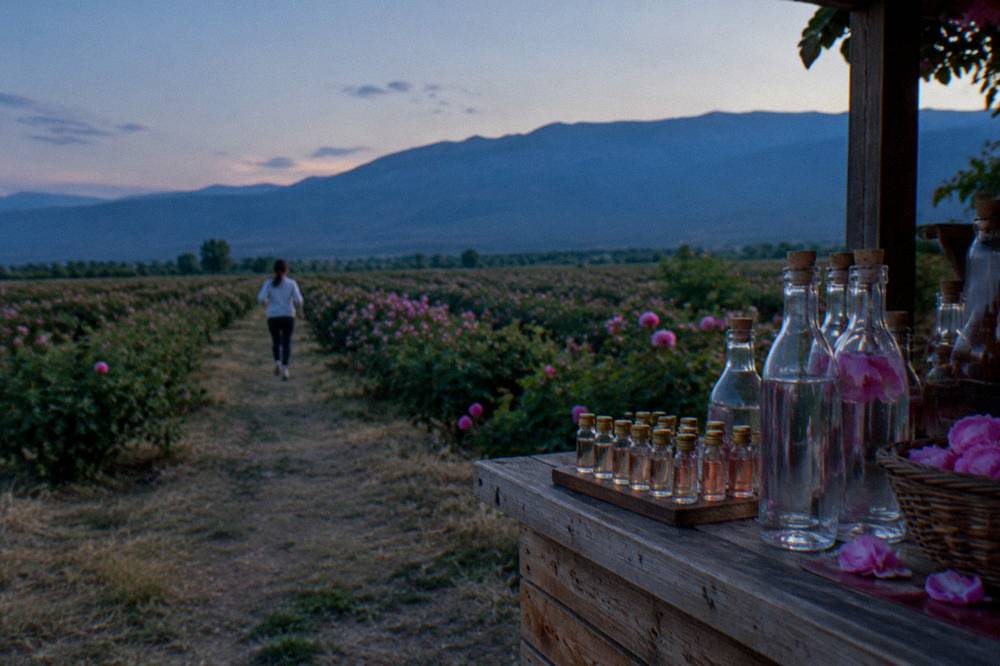
The wider family of products divides usefully by purpose:
| Product | What It Is | Typical Use |
|---|---|---|
| Rose essential oil | Concentrated oil from steam distillation of petals | Perfumery, aromatherapy, a few drops at a time |
| Rose water | Hydrosol from the distillation process | Skin care, baking, sweet drinks |
| Rose soap and cream | Cosmetic bases scented with rose oil or water | Daily skin care, gifts |
| Rose jam | Petals preserved with sugar | Breakfast spread, dessert topping |
| Rose liqueur and rakia infusions | Spirits flavoured with rose petals | Aperitif or digestif, gift bottle |
Where to buy in Plovdiv is a question this site answers in general terms only, because no individual shop's stock, prices or opening hours have been checked as facts. The practical guidance is that cosmetics and food products are sold across the city centre and in the Kapana creative district, that pharmacy chains carry Bulgarian rose cosmetic brands, and that specialist souvenir shops concentrate along the Main Street and in the Old Town lanes. A reputable seller will talk through the product's origin and will not object to questions about concentration. For edible goods, checking that the label lists a Bulgarian producer and a clear ingredients list is the simple test, since retail goods in Bulgaria follow the same European Union labelling rules as elsewhere in the single market.
Which Rose Valley And Thracian Day Trips Run From Plovdiv?
Day trips from Plovdiv into the Rose Valley region typically combine the rose fields and distilleries around Kazanlak with the Valley of the Thracian Kings, and some add the Buzludzha monument. Trips are sold as small-group and private options, and all of them are full-day outings because the sites sit well north of the city. Choosing between them comes down to how much archaeology versus rose culture the itinerary includes.
The itineraries that recur across the roster look like this:
| Trip Type From Plovdiv | What It Covers | Best For |
|---|---|---|
| Rose Valley and Thracian Kings combined tour | Kazanlak area, Thracian tombs, rose stops | First-time visitors wanting both halves of the region |
| Private Rose Valley trip | Kazanlak, flexible pace, distillery focus | Travellers prioritising roses over tombs |
| Buzludzha and Rose Valley tour | Kazanlak region plus the Buzludzha monument | Photographers and 20th-century-history interest |
| Starosel and art village trip | Thracian temple complex near Starosel, village stop | A shorter southern loop without Kazanlak |
Starosel deserves a mention even though its ticket price should be confirmed on arrival, because the Thracian cult complex there is one of the region's most striking sites and appears on Plovdiv departures. Carrying a little cash for small site tickets remains sensible advice for rural stops.

Booking through an organised trip has a second advantage beyond transport: the operator handles the timing of distillery visits, which are not always open to walk-in visitors outside the harvest. Anyone travelling independently in the shoulder season should contact distilleries ahead rather than assume access.
How Does Plovdiv Itself Fit Into The Rose Story?
Plovdiv is the commercial and transport hub for the Rose Valley's products, not a rose-growing centre itself, so the city's role is where you buy, taste and learn rather than where the flowers grow. Rose cosmetics, jams and spirits are stocked across the city, and food tours of Plovdiv regularly introduce Bulgarian preserves, rakia and Thracian Valley wines, the same regional palate the rose belongs to.
The connection runs through the whole sensory culture of the region. Bulgarian breakfast habits, the dishes described in the Bulgarian food guide and the what to eat in Plovdiv guide, include preserves and syrups in which rose has a place, and rakia, the fruit brandy described in this site's rakia coverage, is sometimes infused with rose petals in home production. A guided food walk is the most efficient way to encounter that side of the culture with someone who can explain it, and the city's food walk, which the tour tile below shows with its live details, is the natural companion to a rose-themed trip.
The Old Town adds historical depth to the same visit. The Revival-period houses that Plovdiv is known for were built by merchants trading in the goods of the Thracian plain, and the museums inside them display the domestic culture those trades supported. The Ancient Theatre of Philippopolis, built in the 90s of the 1st century AD with 28 concentric rows of marble seats, anchors the Roman layer underneath it all. A short guided walk through the Old Town and the theatre, shown below with its current listing details, pairs well with a morning of shopping for rose products.
When Should You Plan A Plovdiv Rose Trip, And What Should You Expect From Each Season?
Late May to early June is the window that combines the rose bloom, the harvest and the festival season, and it is the only period when picking can be seen in the fields. Outside it, Plovdiv is pleasant from spring through autumn, with ERA5 reanalysis, 1991-2020, mean daily highs rising from 17.1 C in April to 28.6 C in August, and the rose experience shifts from fields to shops, museums and distillery visits.
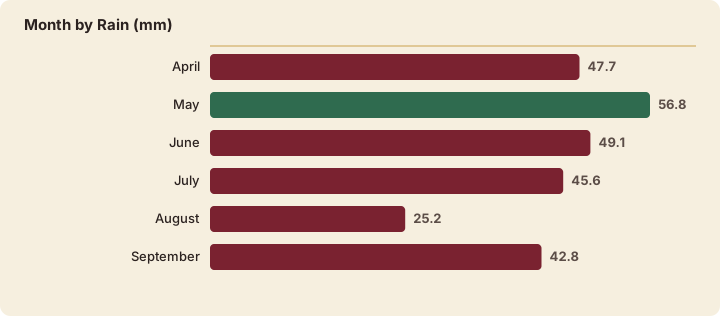
The seasonal shape of the year, from the ERA5 reanalysis, 1991-2020, for the Plovdiv grid cell, looks like this:
| Month | Mean Daily High (C) | Mean Daily Low (C) | Rain (mm) |
|---|---|---|---|
| April | 17.1 | 6.4 | 47.7 |
| May | 21.9 | 11.5 | 56.8 |
| June | 25.9 | 15.4 | 49.1 |
| July | 28.2 | 17.9 | 45.6 |
| August | 28.6 | 18.1 | 25.2 |
| September | 23.8 | 13.8 | 42.8 |
May carries the highest monthly rainfall total of the year in that modelled series, 56.8 mm, and August the lowest at 25.2 mm, which is worth knowing for a harvest-window trip: the bloom season is lush precisely because spring rain is generous. The Plovdiv weather guide unpacks the full year for anyone weighing dates.
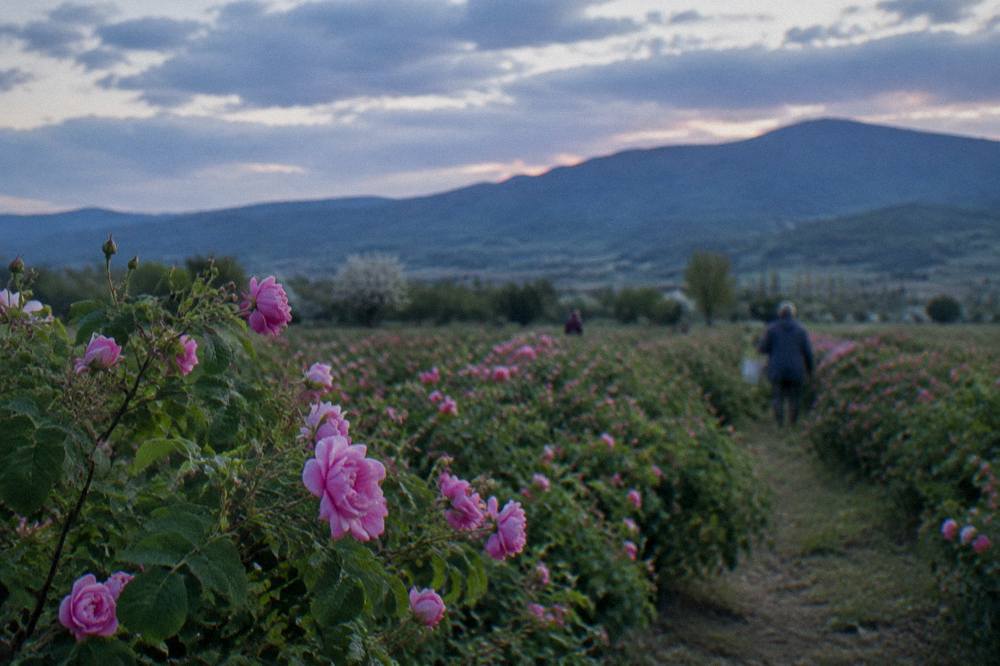
For travellers who cannot move their dates, the honest picture is this. The harvest window rewards those who can catch it, but the region's tombs, museums, distillery shops and the city of Plovdiv itself hold up in every season, and a Christmas-market visit in December, when the market runs from 1 December 2026 to 7 January 2027 in the announced edition, is a completely different and equally valid way to buy rose products as gifts. Flexibility, not perfection, is the goal.
What Should You Know Before Buying Rose Oil To Take Home?
Check the label, the volume and the price logic before buying: genuine rose essential oil comes in very small vials, lists the botanical name and origin, and carries a price that reflects its tiny yield, while anything large and cheap is a diluted or synthetic product. Customs allowances for liquids in hand luggage and your home country's import rules for oils and spirits are the traveller's responsibility to check.
Packaging is the practical half of the purchase. Rose oil and rose water travel well in checked luggage if wrapped against breakage, and small cosmetic volumes usually fit liquid restrictions for carry-on baggage, but the airline's and the airport's rules decide, not the shop. Food items such as rose jam and bottles of rose liqueur follow the same logic, with spirits subject to duty-free allowances on international flights.

One local note on paying. Bulgaria has used the euro since 1 January 2026, so card payment is routine in central Plovdiv shops, but smaller producers at festival stalls and rural distilleries may prefer cash, and prices there should simply be checked at the point of sale. The Plovdiv travel tips guide collects the rest of the practicalities, and the wider set of options for the days around a rose trip is on the site's things to do in Plovdiv page.
A private Rose Valley trip is the format that bends most easily around a shopping list: with a flexible itinerary, a distillery stop and time in Kazanlak itself can be weighted as heavily as the tombs, and the return to Plovdiv lands you back in the city where the bottles can be packed at leisure.
Common Questions About Bulgarian Roses And Rose Oil
What is Bulgarian rose oil used for?
Rose oil is a raw material in perfumery and cosmetics, and food-grade rose water from the same distillation is used in cooking and skin care. It is sold to visitors as an essential oil, in soaps and creams, and as rose jam and rose liqueur.
When is the rose harvest in Bulgaria?
The bloom and harvest peak in late May and early June, with picking done in the early morning when the petals' oil content is highest. The exact timing shifts with the weather each year, so confirm locally before planning a harvest visit.
Can you visit the Rose Valley from Plovdiv?
Yes. The Rose Valley around Kazanlak lies north of Plovdiv, and organised day trips from the city combine it with the Valley of the Thracian Kings and, on some itineraries, the Buzludzha monument. Independent travel is also possible.
How can you tell real rose oil from fake?
Genuine rose essential oil is sold in very small vials at a price reflecting its tiny yield, and the label should name the botanical source and origin. Large, cheap bottles sold as rose oil are diluted or synthetic.
Is rose water the same as rose oil?
No. Rose oil is the concentrated essential oil from distilling petals, while rose water is the aromatic water left over from the same process. Rose water is inexpensive, used in skin care and cooking, and makes an easy souvenir.
Where can you buy rose products in Plovdiv?
Rose cosmetics, oils, jams and spirits are sold in shops along the Main Street, in the Old Town and in the Kapana creative district, and pharmacy chains stock Bulgarian rose cosmetic brands. No individual shop is recommended here, so judge sellers by their labelling and willingness to answer questions.