Stara Zagora From Plovdiv: Neolithic Homes And Roman Streets
Stara Zagora, an inland city in the Upper Thracian Plain north-east of Plovdiv, is presented around two threads: dwellings from the Neolithic period and streets laid out in Roman times, with the city's museums carrying both stories.
Short answer
Stara Zagora works as a self-guided day trip from Plovdiv for travellers who want prehistory and Roman urban planning in one compact centre. The city's museums present the Neolithic dwellings and the Roman street grid; reach it by intercity bus or train and confirm times and opening hours locally.
Stara Zagora sits in the Upper Thracian Plain of southern Bulgaria, north-east of Plovdiv, and the city presents itself through two very old threads: dwellings from the Neolithic period, preserved and displayed in a museum built around them, and a street grid laid out in Roman times when the settlement was rebuilt as Augusta Traiana. Neither thread needs a guidebook flourish. The prehistoric houses are billed as among the earliest surviving dwelling structures anywhere, and the chessboard plan of the Roman city still shapes how the modern centre reads on a map. This page lays out what the trip involves and what needs to be confirmed locally, so check the timetable and entry prices for the Plovdiv to Stara Zagora route before you go.
Where Is Stara Zagora And What Is It Known For?
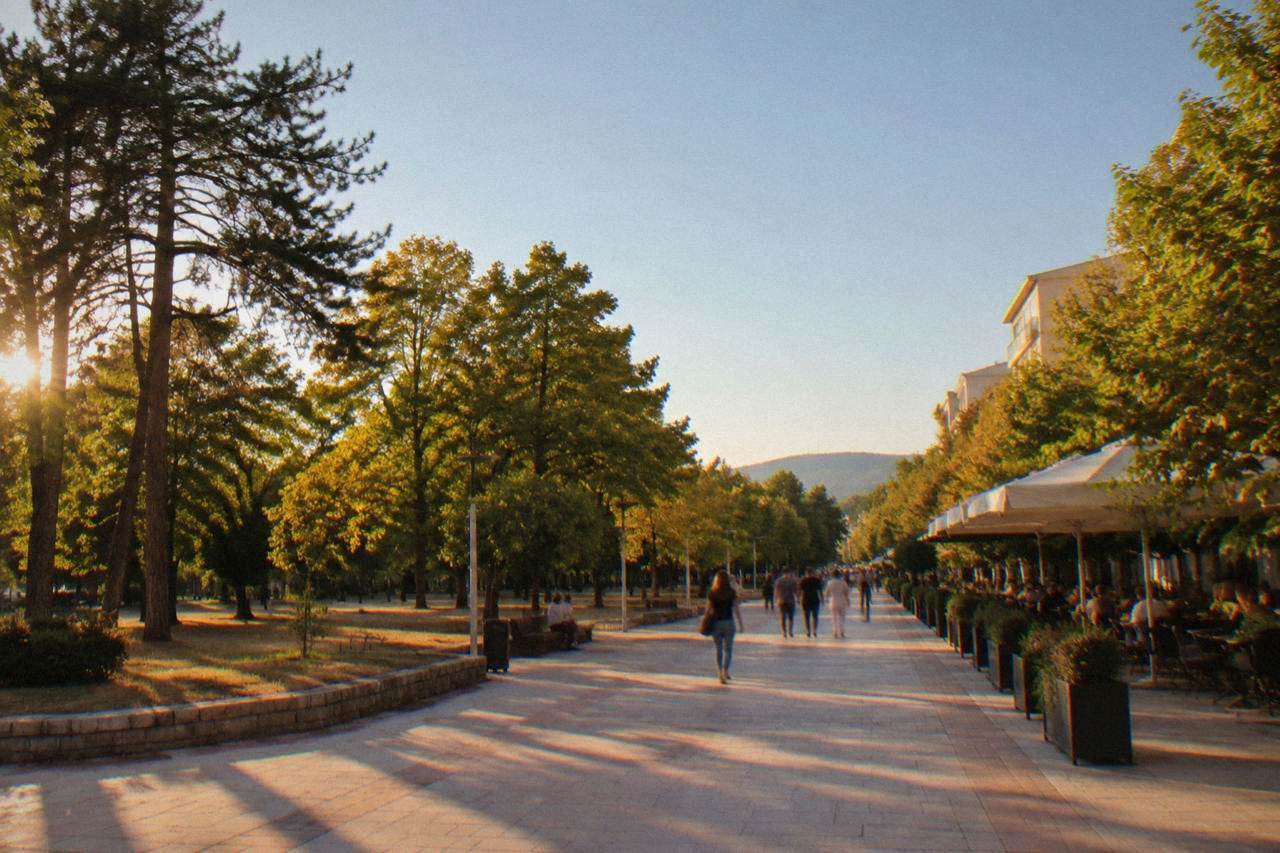
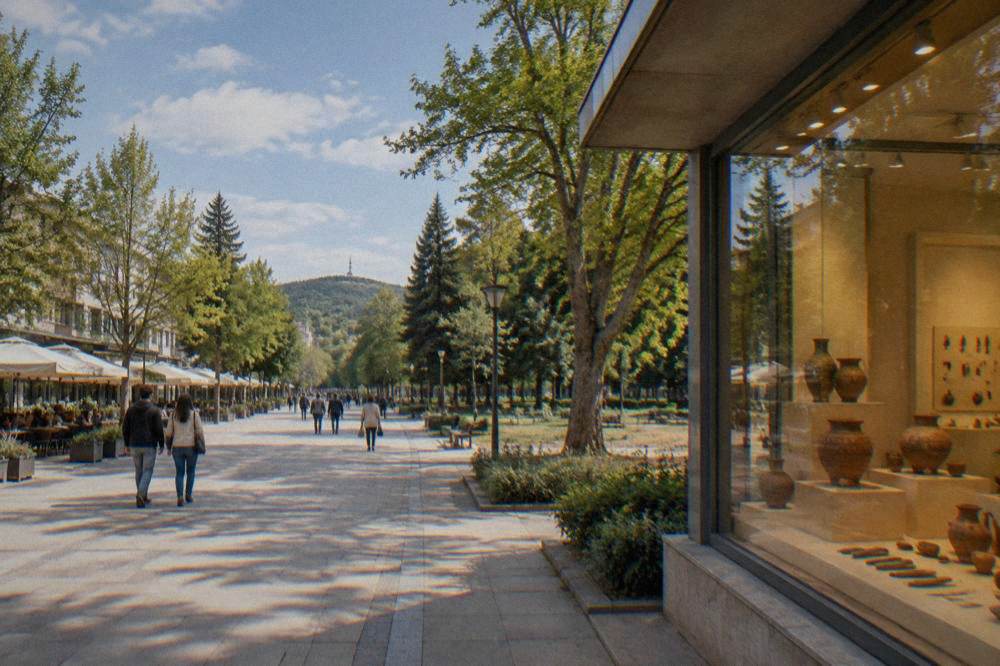
Stara Zagora is a regional city in southern Bulgaria, inland in the Upper Thracian Plain, and it is known above all for two things: the Museum of Neolithic Dwellings, which preserves houses billed as among the earliest surviving dwellings in Europe, and a Roman-era street plan that still governs the modern centre. The city markets itself as a place where prehistory and Roman urban design sit within walking distance of each other. Its tree-lined main streets and straight avenues are described by the city's own tourism material as inheriting the layout of Augusta Traiana, the Roman settlement founded on the site. For a traveller based in Plovdiv, that combination is the draw: one compact centre, two eras, and museums that carry both.
Plovdiv, the base for this trip, is Bulgaria's second-largest city, built around six hills and often described as one of the oldest continuously inhabited cities in Europe. The two cities share the same Thracian plain and the same deep layering, but they read differently. Plovdiv's Roman remains are monumental and partly in situ under the modern city, as the guide to Roman Plovdiv sets out, while Stara Zagora's story is pitched around domestic life: houses, streets, and the everyday fabric of settlements that predate and then follow the classical city.
The comparison matters for planning. If Plovdiv offers the Ancient Theatre of Philippopolis and the Roman Stadium, Stara Zagora offers a different register: museum galleries built directly around excavated Neolithic houses, and Roman streets you walk along rather than look down into. Neither city's museums publish prices this site can carry for Stara Zagora, so budget on the Plovdiv side, where the figures are firm, and confirm Stara Zagora entry fees on arrival.
How Do You Get From Plovdiv To Stara Zagora?
Stara Zagora is reached from Plovdiv by intercity bus or by train, with both departing from Plovdiv's central stations on Hristo Botev Boulevard and arriving in the centre of Stara Zagora; check the operators' own schedules before committing to a day. What can be said with confidence is structural. Plovdiv's central railway station and its Yug (South) bus station stand side by side, which makes the decision between rail and road a matter of departure time rather than location. Rodopi bus station serves routes to the south, and Sever bus station serves the north, but the Stara Zagora routes run from the central pair.
The railway junction at Plovdiv is worth knowing about. A modernisation programme was reported at 85 percent completion in November 2025, due to finish in 2026, and the transport ministry's announcement warns of access changes around the station while works continue. Allow extra time on the Plovdiv end, and expect the station approaches to look like a building site. Inside the terminal and on the platforms, the works do not stop trains running; they change how you reach them.
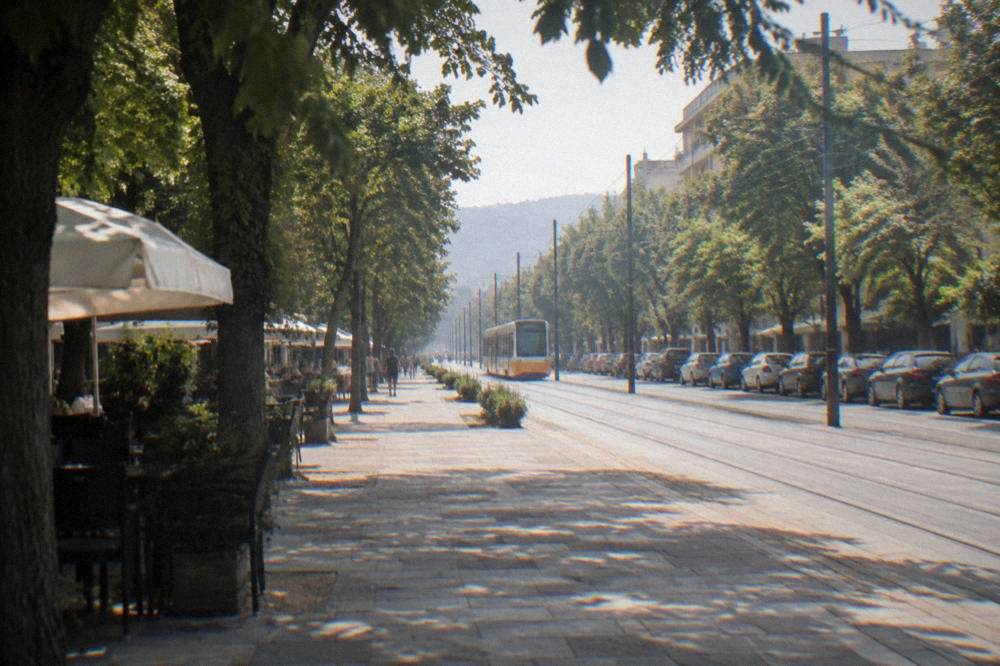
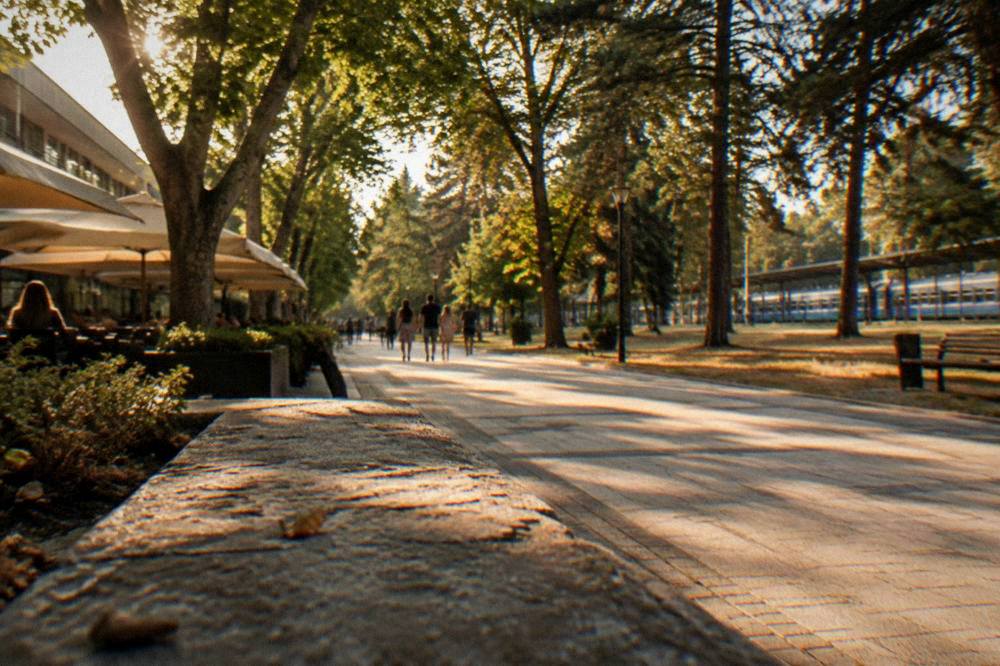
For orientation once you arrive, Stara Zagora's centre is described as compact and flat, laid out around the long north-south axis inherited from the Roman plan. Everything in this guide's itinerary is walkable from the bus or railway station, though treat that as a general impression and verify exact walking distances on a map. If a day trip by car appeals instead, the Bulgaria road trip guide covers driving in the country, and an American visitor can rent a car in Bulgaria on a standard licence with the usual paperwork.
One planning note on seasons: the climate of the plain is continental. The ERA5 reanalysis, 1991-2020, gives Plovdiv a mean daily high of 28.2 C in July and 5.9 C in January, and Stara Zagora's plain shares that pattern, with summer heat and winter cold both real. There is no weather-based reason to avoid the trip in any month, only a comfort-based reason to carry water in July and layers in January.
| Month | Mean Daily High | Mean Daily Low | Rainfall |
|---|---|---|---|
| January | 5.9 C | -2.6 C | 41.0 mm |
| April | 17.1 C | 6.4 C | 47.7 mm |
| July | 28.2 C | 17.9 C | 45.6 mm |
| October | 18.1 C | 8.8 C | 44.1 mm |
ERA5 reanalysis, 1991-2020, for the grid cell near Plovdiv Old Town, shown as the closest modelled normals to the route. Reanalysis smooths urban heat, so treat it as a planning range rather than a forecast.
What Are The Neolithic Dwellings And The Roman Streets Of Stara Zagora?
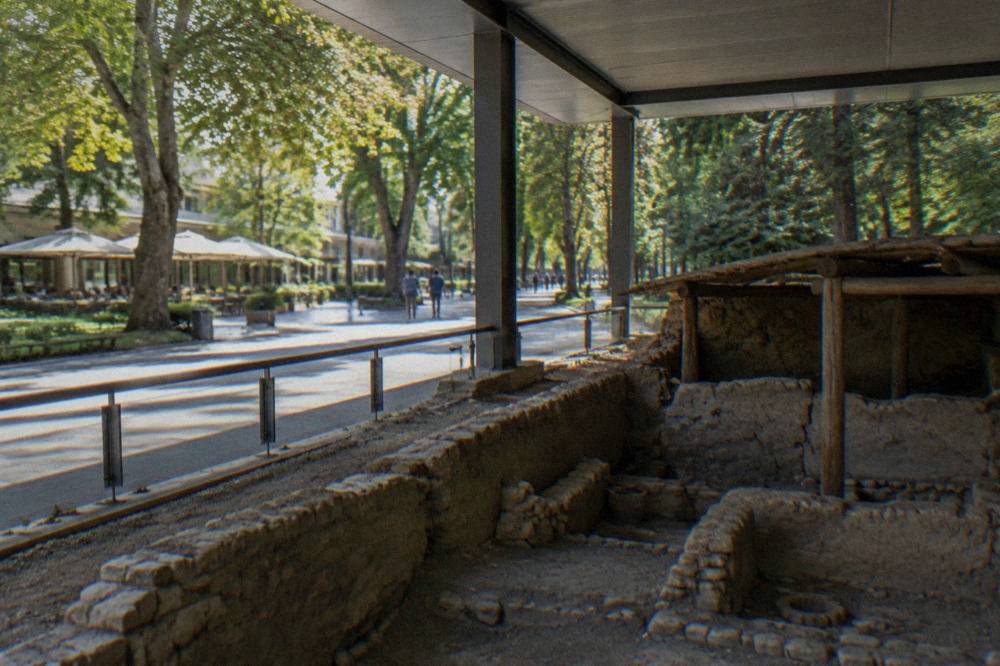
The Museum of Neolithic Dwellings in Stara Zagora is a purpose-built museum that preserves excavated houses from the Neolithic period, billed as among the earliest surviving dwelling structures in Europe, while the Roman streets refer to the grid plan of Augusta Traiana, which the modern city centre still follows, with remains displayed in situ and in the regional archaeology museum. The two sites anchor the trip. The Neolithic houses are presented under cover, with the excavation itself as the exhibit, which means the visit is weather-proof in a way hilltop sites are not. The Roman material, by contrast, is partly underfoot: the city's straight avenues are described in local tourism material as inheriting the ancient alignment.
The Plovdiv comparison is useful again, because Plovdiv does the same thing at a different scale. The city's official tourism site dates the first settlement on Nebet Tepe to the 4th millennium BC, and Plovdiv's own Roman layers include the Roman Odeon and the Roman Forum, both small enough to read in a single stop. Stara Zagora's pitch is earlier and more domestic: not a theatre or a stadium, but houses, with their clay and timber fabric stabilised for display. Travellers who respond to archaeology at that level of intimacy rate the museum; travellers who want monuments stay in Plovdiv, where the Ancient Theatre's 28 concentric rows of marble seats, built in the 90s AD, are open daily with summer and winter hours.
Check hours and prices for the Stara Zagora museums locally: the regional museum network posts its own schedules, and group discounts are common across Bulgarian museums, as they are in Plovdiv, where the Regional History Museum charges 5 euro for one site, 8 for two, 10 for three and 12 for four, with free entry the first Thursday of the month. Assume the Stara Zagora side follows similar national conventions, and budget roughly a museum-ticket amount per site pending confirmation.
| Plovdiv Museum Ticket | Adult | Student | Family |
|---|---|---|---|
| Old Plovdiv, one site | 3.58 euro | 1.53 euro | 7.16 euro |
| Old Plovdiv, five-site combined | 10.74 euro | 4.09 euro | 21.47 euro |
| Bishop's Basilica, single | 7.57 euro | 3.58 euro | 15.34 euro |
| Regional History Museum, one site | 5.00 euro | 2.00 euro | 6.00 euro |
Official Plovdiv-side ticket prices, printed in euro per the Old Plovdiv and Regional History Museum price lists. Use them to calibrate expectations for museum entry in the region.
Before or after a Stara Zagora day, a guided walk of Plovdiv's own Roman core sharpens the comparison, and the Old Town and Roman Theatre walk covers exactly the era Stara Zagora's grid belongs to. Check availability.
How Does Stara Zagora Compare With Other Day Trips From Plovdiv?
Stara Zagora suits travellers focused on prehistory and Roman urban planning, while the better-documented Plovdiv day trips split by theme: Bachkovo Monastery, about 30 km away by minibus in 35 to 45 minutes, for monastic architecture, Koprivshtitsa, with six house museums on a combined ticket of about 10 euro, for the Revival period, and the Thracian valley sites for tombs and wine. The choice is thematic rather than ranked. No single day trip from Plovdiv is the right one for every trip, and a two-base itinerary, such as the two days in Plovdiv plan, leaves room for one out-of-town excursion.
The facts favour the southern routes. Bachkovo Monastery is a working monastery with free entry, reached by minibuses from Plovdiv's Rodopi station in 35 to 45 minutes over about 30 km, often paired with Asen's Fortress above Asenovgrad, where a small entry fee exists but its figure is unclear, so confirm on site. Bachkovo Monastery and Asen's Fortress each have their own pages. North and north-east, toward Stara Zagora, the plain opens up: Kazanlak and the Rose Valley and the Starosel Thracian complex sit in the same broad direction, and Stara Zagora combines naturally with either for a longer loop, since all three lie in the Thracian plain between Plovdiv and the Balkan range.
Stara Zagora's distinguishing feature is that its headline attraction is indoors and built around a single excavation. Bachkovo is a living monastery, Kazanlak is a valley of tombs and roses, Koprivshtitsa is a town of wooden houses. Stara Zagora is a museum floor and a street plan. That makes it the strongest pick for a cold or wet day, and the weakest pick for a traveller who wants landscape. The Rhodope Mountains day trip or Smolyan and Pamporovo fill that gap to the south.
| Day Trip From Plovdiv | Travel Fact | Headline Draw |
|---|---|---|
| Bachkovo Monastery | About 30 km, 35 to 45 min by minibus from Rodopi station | Working monastery, free entry |
| Koprivshtitsa | Six house museums, combined ticket about 10 euro | Revival-era houses |
| Old Plovdiv, five sites | Combined ticket 10.74 euro, adult | Roman and revival core |
| Stara Zagora | Route times and fares: confirm with operators | Neolithic dwellings, Roman grid |
What Does A One-Day Stara Zagora Itinerary From Plovdiv Look Like?
A sensible one-day plan runs: an early morning departure from Plovdiv's central stations, the Museum of Neolithic Dwellings first while energy and light are high, a walk along the Roman-grid avenues through the city centre, a long lunch, the regional archaeology collection in the afternoon, and a return to Plovdiv by evening, with every departure time checked against the operators' own schedules rather than assumed. The shape is deliberately loose. Stara Zagora's centre is described as flat and walkable, and the point of the trip is to slow down over two eras rather than to sprint through a list.
Start in Plovdiv itself, if the morning allows, with something small: Nebet Tepe is free and open at all hours as an open-air complex, and Hisar Kapia, the old gate in the Old Town, is a public landmark with no ticket. Neither takes long, and both put you in the right frame for the day's theme, which is cities that keep their ground. From there, the central stations are a short ride or walk away; the city bus e-ticket costs 0.50 euro, and a taxi ride across the centre is inexpensive by western European standards, though confirm the taxi fare before you ride.
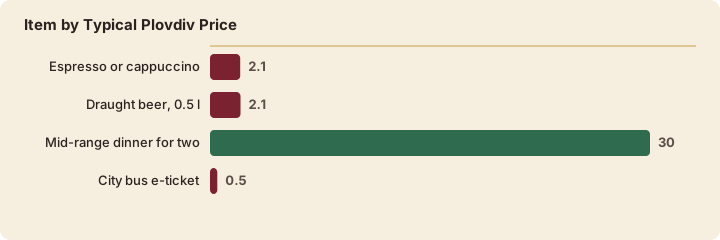
In Stara Zagora, the museum-first order is deliberate. The Neolithic dwellings are the reason to make the trip, and museums in Bulgaria commonly close one day a week, often Monday, as Plovdiv's Regional Archaeological Museum and Ethnographic Museum both do. Assume nothing about Stara Zagora's days and hours; a phone call or a check of the museum's own site before departure saves the day. Lunch in the centre, on the tree-lined main street, is part of the experience rather than a gap in it; the plain is farm country, and the Bulgarian food guide covers what to expect on menus, from shopska salad to kavarma. Costs in Bulgaria are low for American and western European visitors, as the page on whether Bulgaria is cheap for Americans explains, and Plovdiv crowd data puts an espresso at around 2 euro and a mid-range three-course meal for two at about 30 to 40 euro.
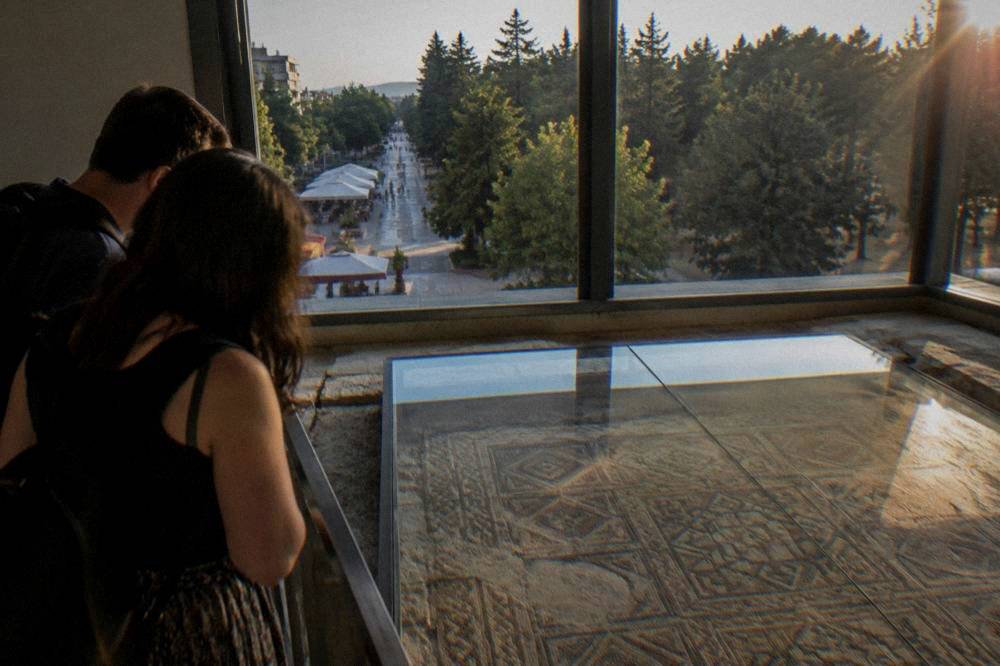
The afternoon belongs to the Roman material. The streets themselves are the exhibit: straight, long, and legible as a plan, with excavation displayed where the city has opened the ground. Finish with the regional archaeology museum if time allows, then reverse the journey. Because the return leg is the part of the day with the least slack, confirm the last departure time when you arrive in the morning, not when you are standing at the platform at dusk.
What Should You Eat And Drink Around Stara Zagora And The Thracian Plain?
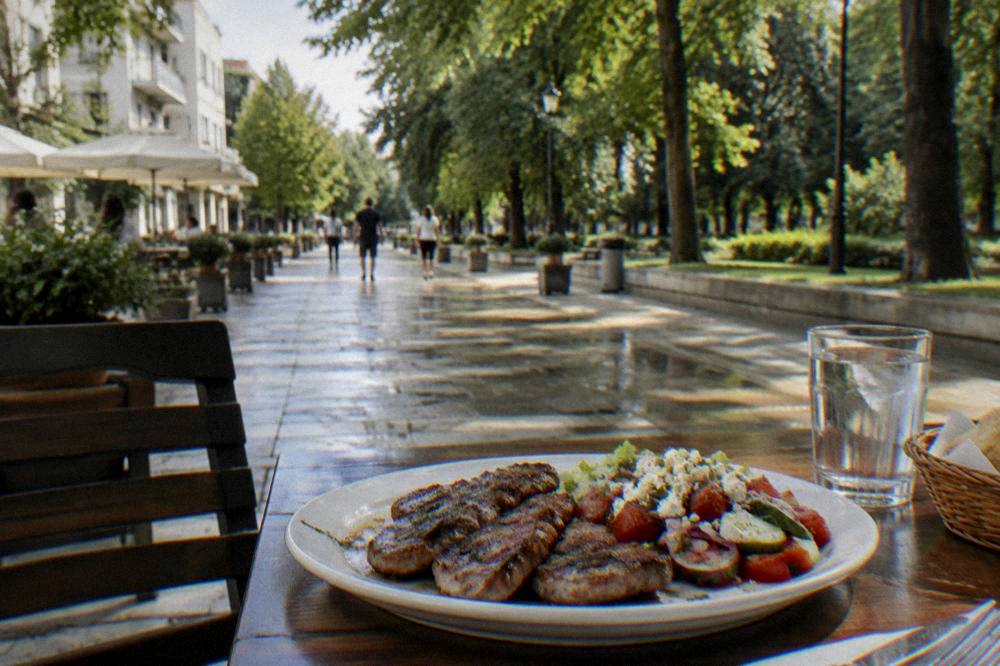
The Thracian plain around Stara Zagora is farm and wine country, and the regional table is the national one: shopska salad, banitsa, kavarma, kebapche and tarator, plus the red wines of the Thracian valley, with Plovdiv crowd data putting an espresso around 2 euro and a three-course meal for two around 30 to 40 euro.
The wine thread is worth pulling. The Thracian valley is one of Bulgaria's two main wine regions, built on local varieties such as Mavrud and Rubin, and the vineyards sit in the same plain that stretches between Plovdiv, Stara Zagora and the Rose Valley. A tasting in Plovdiv before or after the trip, or a visit to the Brestovitsa wine region, fits the same journey. In the city centre, a short guided tasting of Bulgarian wines makes a compact evening after a day of walking, and the listing carries the current price and availability.
Breakfast in Bulgaria is its own small institution, as the page on a typical Bulgarian breakfast explains: banitsa with boza or ayran, eaten standing at a bakery counter more often than sitting at a table. Before an early departure for Stara Zagora, that is the fastest option in Plovdiv. At the other end of the day, Bulgarians tend to eat dinner late, as the guide to what time Bulgarians eat dinner notes, so a return to Plovdiv at 8 or 9 in the evening still leaves kitchens open.
| Item | Typical Plovdiv Price | Note |
|---|---|---|
| Espresso or cappuccino | About 2.06 to 2.53 euro | Crowd data, October 2026 |
| Draught beer, 0.5 l | About 2.08 to 2.30 euro | Crowd data |
| Mid-range dinner for two | About 30 to 40 euro | Three courses, crowd data |
| City bus e-ticket | 0.50 euro | Official single fare |
When Is The Best Time Of Year For A Stara Zagora Day Trip From Plovdiv?
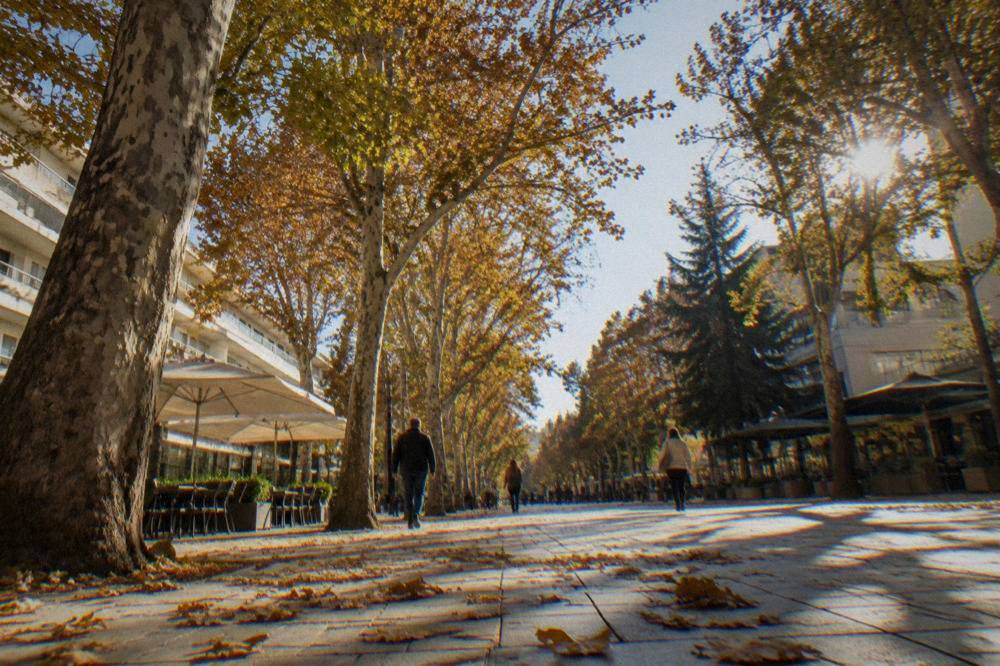
Any month works for the Stara Zagora trip because both headline attractions are indoors or in a compact walkable centre, but spring and autumn are the comfortable middle: the ERA5 reanalysis, 1991-2020, gives Plovdiv mean daily highs of 17.1 C in April and 18.1 C in October, against 28.2 C in July and 5.9 C in January. The modelled normals describe the plain both cities share. Summer trips are feasible but hot in the middle of the day; winter trips are cold but the museum-first itinerary barely notices.
Event timing can sharpen the choice. On the Plovdiv side, Opera Open ran at the Ancient Theatre from 23 June to 9 September in 2026, the autumn Kapana Fest ran two weekends in October, the Plovdiv Jazz Fest fall edition runs 6 to 8 November 2026, and the Christmas programme ran into January. None of these is in Stara Zagora, but all of them sit in the same travel window and can anchor a trip that includes the day out. The best time to visit Plovdiv guide carries the fuller calendar.
Rain is modest year-round, at 536.6 mm modelled annually, with May carrying the highest monthly total at 56.8 mm and August the lowest at 25.2 mm. None of that argues against any month; it argues for an umbrella in spring and against assuming a heatwave-free July. Whatever the season, the trip's structure, museum, streets, lunch, museum, is the same, and that resilience is part of its appeal compared with hilltop or outdoor excursions that live and die by the sky.
What Practical Facts Should You Know Before Taking This Trip?
Bulgaria uses the euro since 1 January 2026, is a full Schengen member since 1 January 2025, uses type C and F plugs at 230 V, has 112 as the emergency number, and requires US, UK, Canadian and Australian citizens to hold no visa for stays within the 90-in-180 Schengen rule. These country-level facts do the heavy lifting for a Stara Zagora day trip, because the route-specific ones, timetables, fares, museum prices, are exactly what must be confirmed with operators and on site rather than assumed from any guide.
Money first. Prices in Plovdiv's official listings still sometimes show both currencies side by side; the euro figure is the one to use. Cards are widely accepted in the cities, though small museum ticket desks and minibuses can prefer cash, so carry some. A tourist tax may be charged by accommodation, so confirm the amount at booking.
Entry formalities. Bulgaria is a full Schengen member since 1 January 2025, with land border checks lifted then and air and sea checks lifted earlier, from 31 March 2024. The EU's Entry/Exit System, biometric registration replacing passport stamps, was fully deployed across external borders as of 10 April 2026. ETIAS, the planned travel authorisation, is not yet required for visa-exempt visitors, and no start date is confirmed. For language, Bulgarian, in Cyrillic script, is the official language, and English is usable in cities, especially among younger staff; the page on whether you can speak English in Bulgaria sets expectations.
Finally, safety and sense. Bulgaria is generally an easy, safe country for visitors, and the pages on how safe Plovdiv is and what to be careful of in Bulgaria cover the ordinary cautions: pickpockets in crowds, taxi meters, and the usual city awareness. A day trip to Stara Zagora adds nothing to that list beyond the standard advice for any intercity journey: know your last return departure, keep your ticket until you exit, and keep valuables out of back pockets on buses.
Is Stara Zagora Worth The Trip From Plovdiv?
Stara Zagora is worth the day for travellers whose interest runs to prehistoric houses and Roman street planning, and it is skippable for travellers chasing monuments, mountains or monasteries, since Plovdiv itself, Bachkovo, Kazanlak and the Rhodopes each deliver those themes more directly. The verdict is a matter of fit, not rank. No page on this site ranks one Bulgarian city above another, and the honest framing is which trip suits which traveller: the archaeology-minded visitor gets a museum built around dwellings billed as among the earliest surviving in Europe plus a walkable Roman grid; the scenery-minded visitor gets a plain and should point south instead.
The pairing logic helps. Stara Zagora combines best with the Thracian themes around it: the Rose Valley, the Starosel complex, the wine country. A traveller building a wider circuit can move from Plovdiv through Stara Zagora toward the Balkan range towns, or loop back via Kazanlak. Travellers staying closer to base should weigh it against Koprivshtitsa for history or Perushtitsa for a quiet plain-town day. And whatever the choice, the Plovdiv base itself repays an extra half-day: the free things to do in Plovdiv guide lists the no-ticket core, from Nebet Tepe to Kapana, whose name means The Trap, a maze of narrow streets that costs nothing to get lost in.
Common Questions About A Stara Zagora Day Trip From Plovdiv
Is Stara Zagora worth visiting from Plovdiv?
Yes, for travellers interested in the Neolithic dwellings museum and the Roman street grid. Travellers seeking mountains or monasteries get more from the southern day trips, such as Bachkovo Monastery or the Rhodopes.
How far is Stara Zagora from Plovdiv?
Stara Zagora lies north-east of Plovdiv in the Upper Thracian Plain.
What is Stara Zagora famous for?
The city presents two headline threads: the Museum of Neolithic Dwellings, which preserves houses billed as among the earliest surviving dwellings in Europe, and the street plan inherited from the Roman settlement of Augusta Traiana.
What currency do I need in Stara Zagora?
The euro.
What else can I pair with Stara Zagora in the Thracian plain?
Kazanlak and the Rose Valley, the Starosel Thracian complex and the Brestovitsa wine region all sit in the same plain and combine into a longer loop from Plovdiv.
