Plovdiv Travel Tips: Before You Go
Plovdiv, in southern Bulgaria, is an inland city of six hills, Roman ruins and a euro-using euro-area country, and a little preparation changes how the visit feels.
Short answer
Bulgaria uses the euro, is a full Schengen member, and Plovdiv's Old Town sites cost a few euro each on the municipal ticket list. Direct trains from Sofia take under three hours.
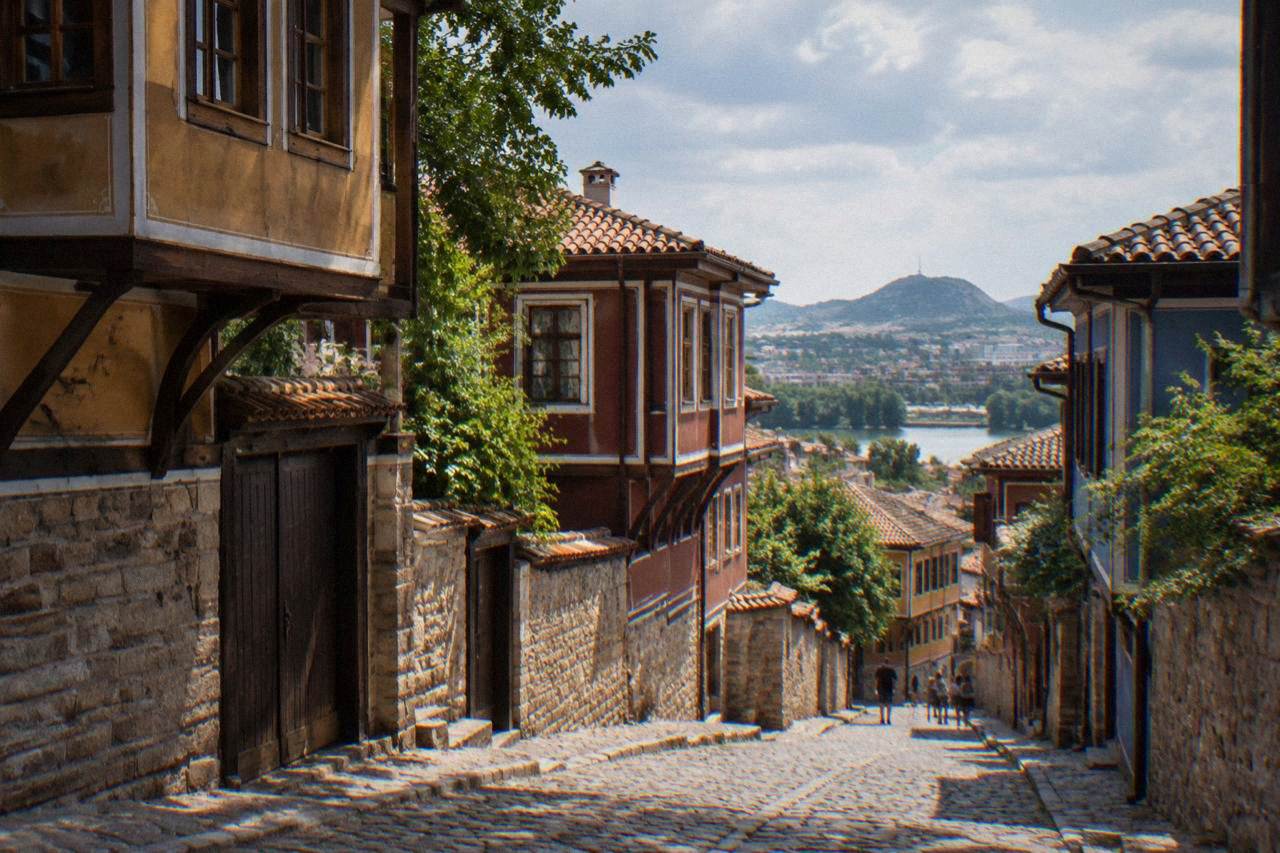
Plovdiv, in southern Bulgaria, is the country's second-largest city, an inland place built around six hills, and a city often described as one of the oldest continuously inhabited cities in Europe. A few practical details decide whether a visit runs smoothly: Bulgaria has used the euro since 1 January 2026, it is a full Schengen member, the municipal Old Plovdiv institute publishes its ticket prices on one page, and the fastest trains from Sofia take under three hours. This page collects the planning essentials in one place, and points to the deeper guides on this site where a topic deserves more room.
What Should You Know About Plovdiv Before You Arrive?
Plovdiv is an inland city in southern Bulgaria with no sea coast, built around six hills, and its Old Town sits on Bulgaria's UNESCO Tentative List rather than being an inscribed World Heritage Site. Bulgaria has used the euro since 1 January 2026 and has been a full Schengen member since 1 January 2025. The city was European Capital of Culture in 2019, shared with Matera.
Those four facts correct the errors that appear on nearly every outdated page about the city. "The Ancient Plovdiv" was submitted to UNESCO's Tentative List on 14 September 2004, and a tentative listing is a waiting list, not an inscription. The six hills stand because a seventh, Markovo Tepe, was partly quarried away in the 1930s; three of the six, Nebet Tepe, Dzhambaz Tepe and Taksim Tepe, form the Trimontium group under the Old Town. For the deep background, the site's Plovdiv history overview walks through the layers, and the free things to see in Plovdiv guide lists what costs nothing, including Nebet Tepe, Kapana and Hisar Kapia.
A few orientation facts make the rest of the trip simpler. The city centre runs along a long pedestrian Main Street, with the Old Town on the hills to one side and the Kapana creative district beside it. Kapana means "The Trap", a name the city tourism site explains by the maze of narrow streets, and it is free, open public space at all hours. The things to do in Plovdiv page is the site's full roundup if you want the complete picture before reading further.
What Money And Cards Should You Use In Plovdiv?
Bulgaria adopted the euro on 1 January 2026 at a fixed rate of 1.95583 lev per euro, so the euro is the only current currency and no currency exchange is needed. Card payment is normal in the city centre.
The site's money guide covers this in more depth, including tipping, where the norm reported in crowd data is around 10 percent in restaurants for good service, or rounding up.
Crowd-reported price levels for Plovdiv, which give a fair planning picture for a mid-sized Bulgarian city, look like this. These are averages from user-reported data, not official tariffs.
| Item | Reported level |
|---|---|
| Espresso or cappuccino | about 2.06 to 2.53 euro |
| Domestic draught beer, 0.5 l | about 2.08 to 2.30 euro |
| Mid-range dinner for two, three courses | about 30 to 40 euro |
| City bus single e-ticket | 0.50 euro |
| Taxi start fare | about 1.11 to 1.13 euro |
A tourist tax may be charged per night by your accommodation, added to the bill rather than paid at a desk; its exact 2026 euro rate is not published as a single official figure, so confirm at booking. Plugs are type C and F at 230 V, the emergency number is 112, and the time zone is Eastern European Time, two hours ahead of winter Central European Time.
For evenings, the food and drink side of the city is strong enough to plan around. The Bulgarian food guide and the where to eat in Plovdiv page cover the dishes and the districts, and a guided walk with tastings is one way to get an introduction with a local leading. The two tours below include that option alongside a classic city walk.
How Do You Get To Plovdiv And Around The City?
Direct BDZ trains from Sofia take about 2 h 40 to 3 h 05, buses take about 1 h 45 to 2 h 20, and the city's own airport at Krumovo has a small route list including London, Milan Malpensa, Bratislava, Birmingham, Manchester, Belfast and Tel Aviv. Once in the city, the e-ticket for buses is 0.50 euro.
The railway timetable for Sofia to Plovdiv shows several direct departures a day, with the fastest around 2 h 40 and others up to about 3 h 05; trains routed via Karlovo take far longer, so check the connection before booking. The Sofia to Plovdiv guide covers the train and bus options in detail, and the how to get to Plovdiv page adds the airport angle. Plovdiv Airport sits about 12 to 14 km southeast of the centre at Krumovo; its own flight search lists the destinations above, with Ryanair to Milan Malpensa and Wizz Air to Bratislava announced as newer routes, so confirm with the airline before planning around a flight.
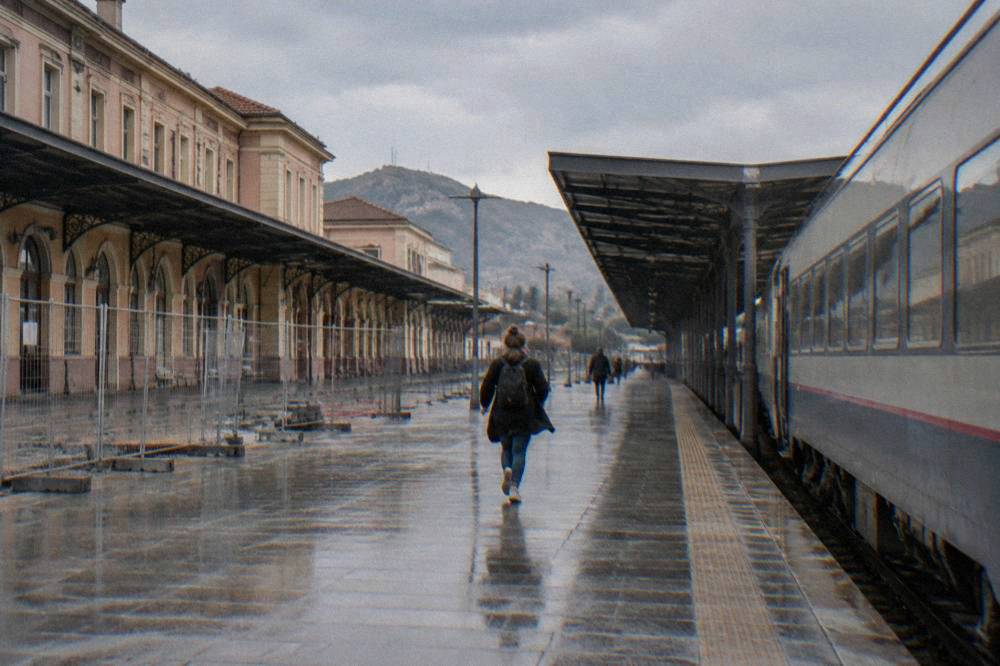
Inside the city, the railway station and the Yug (South) bus station stand side by side on Hristo Botev Boulevard, which makes connections simple. The Rodopi bus station handles southern routes including minibuses toward Bachkovo Monastery and Smolyan, a journey of roughly 35 to 45 minutes to the monastery approach. The getting around Plovdiv page has the full station-by-station picture, and the Plovdiv train station guide covers the junction modernisation, which was reported 85 percent complete in late 2025 with completion due in 2026, so expect some access changes around the station.
| Route | Mode | Typical time |
|---|---|---|
| Sofia to Plovdiv | direct train | about 2 h 40 to 3 h 05 |
| Sofia to Plovdiv | bus | about 1 h 45 to 2 h 20 |
| Plovdiv to Bachkovo Monastery | minibus from Rodopi station | about 35 to 45 min |
| Airport to centre | bus | about 20 to 35 min |
| Airport to centre | taxi | about 20 to 25 min |
For arrivals who want a structured start rather than working out the lanes alone, an Old Town walk with a guide is the natural first activity. The Old Town's revival houses and the Roman layer read very differently with someone explaining them, and a tasting at the end anchors the walk in the city's food culture.
What Do Tickets To Plovdiv's Old Town Sites Cost?
Any single Old Plovdiv site except the Bishop's Basilica costs 3.58 euro for an adult, a combined ticket for up to five sites costs 10.74 euro, and the Bishop's Basilica is priced separately at 7.57 euro, all per the municipal Old Plovdiv ticket page. The Roman Stadium sphendone and Nebet Tepe are free.
The Old Plovdiv municipal institute runs one price list for the Ancient Theatre, the Small Basilica and the revival houses such as Balabanov, Hindliyan and Nedkovich. Student tickets are 1.53 euro for a single site, a family ticket for parents with children aged 7 to 16 is 7.16 euro, and children under 7 enter free. The combined ticket covers up to five sites but excludes the Small Basilica and the Bishop's Basilica; its validity period is not stated on the ticket page, so check when buying. The first Thursday of the month brings free entry for students and seniors at Old Plovdiv sites, and the Regional History Museum is free for everyone that day. The museums need a note too: the Ethnographic Museum and the Regional Archaeological Museum close on Mondays.
| Site or ticket | Adult price |
|---|---|
| Any one Old Plovdiv site except Bishop's Basilica | 3.58 euro |
| Combined ticket, up to 5 sites | 10.74 euro |
| Bishop's (Great) Basilica | 7.57 euro |
| Roman Stadium 3D hall | 3.68 euro |
| Roman Stadium sphendone, open air | free |
| Nebet Tepe, Kapana, Hisar Kapia | free |
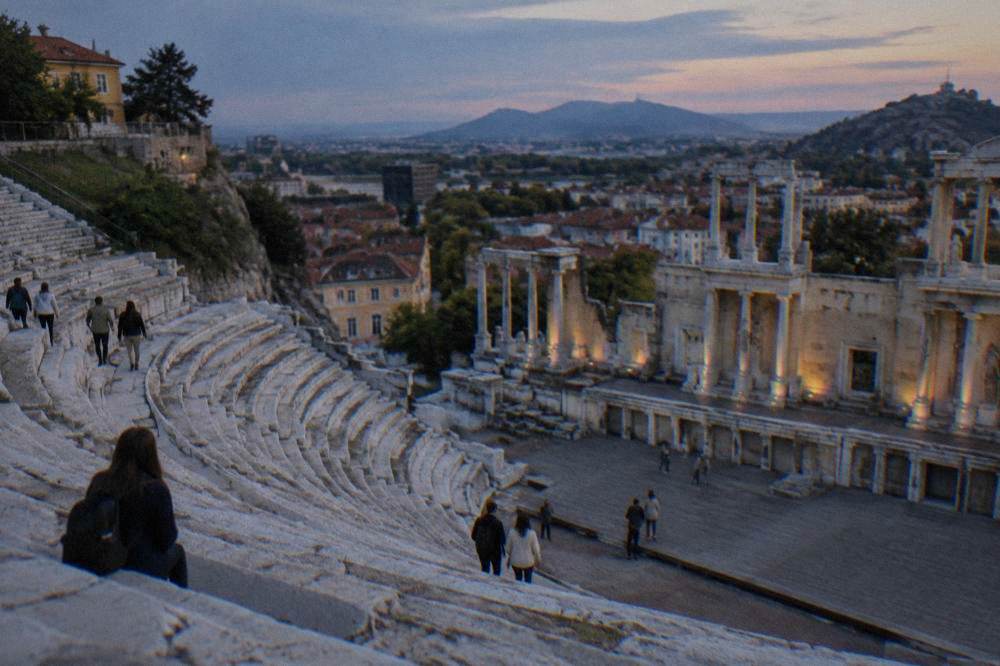
Opening hours follow a summer and winter pattern: April to October roughly 9:30 to 18:00, November to March roughly 9:00 to 17:30, with a lunch break around 12:30 to 13:00 at the theatre and the stadium's 3D hall. The individual sight guides on this site carry the detail, including the Ancient Theatre and the Roman Stadium. One trap worth flagging: only the northern part of the Roman Stadium, the sphendone, is excavated and accessible, and the rest lies under the modern Main Street, so do not plan a full circuit of it.
What Weather Should You Pack For In Plovdiv?
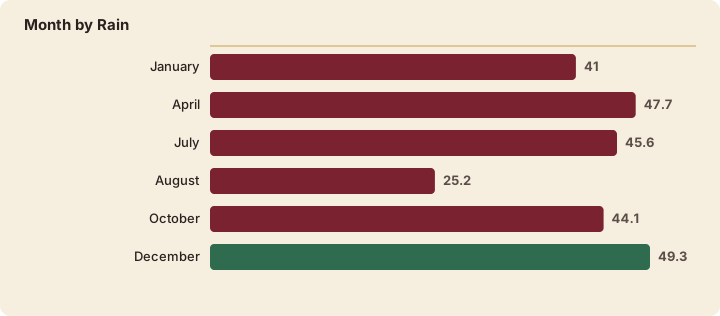
Plovdiv has a continental climate with modelled mean daily highs of 28.6 C in August and 5.9 C in January, per the ERA5 reanalysis for 1991-2020, so summer days are hot and winter nights fall below freezing. March and May carry the highest monthly rainfall totals, 55.0 mm and 56.8 mm.
The ERA5 reanalysis, 1991-2020, gives this picture for the grid cell over the city. These are modelled normals, not a station record, and reanalysis smooths urban heat, but they are a fair basis for packing.
| Month | Mean daily high | Mean daily low | Rain |
|---|---|---|---|
| January | 5.9 C | -2.6 C | 41.0 mm |
| April | 17.1 C | 6.4 C | 47.7 mm |
| July | 28.2 C | 17.9 C | 45.6 mm |
| August | 28.6 C | 18.1 C | 25.2 mm |
| October | 18.1 C | 8.8 C | 44.1 mm |
| December | 7.0 C | -0.8 C | 49.3 mm |
Practical consequences follow. Summer calls for sun protection and water, since the hills and the cobbles add effort to every walk, and August is also the month with the lowest rainfall in the normals. Winter brings sub-zero nights and occasional snow, and the seasonal guides, Plovdiv in winter among them, cover what stays open. The Plovdiv weather guide and the best time to visit Plovdiv page go month by month; spring and autumn sit in the comfortable middle of the table above. Sturdy shoes matter year-round, because the Old Town's cobbles and the hill paths are unforgiving in anything with a smooth sole.
Where Should You Stay And Eat In Plovdiv?
The practical choice is between the Old Town itself, the centre along Main Street, and the Kapana district, each walkable to the main sights, and the site's where-to-stay guide breaks the districts down. Eating well in Plovdiv means Bulgarian dishes, shopska salad, banitsa, kavarma and grilled meats, at prices well below Western European levels.
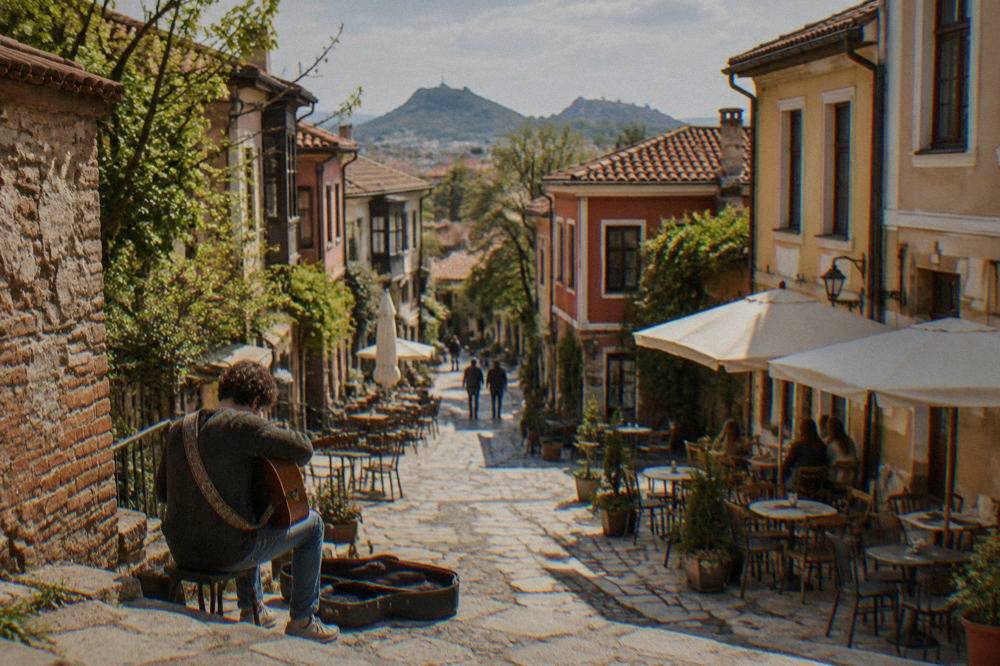
The Old Town puts the revival houses and the Ancient Theatre at the door but involves hills and cobbles; the centre is flat and connected; Kapana puts you in the middle of the city's creative and nightlife quarter. The where to stay in Plovdiv guide compares the districts properly, including quieter options across the river in Karshiyaka. For food, the what to eat in Plovdiv page lists the dishes and where to find them, and the Plovdiv coffee and cafe culture and Plovdiv nightlife pages cover the hours after dinner.
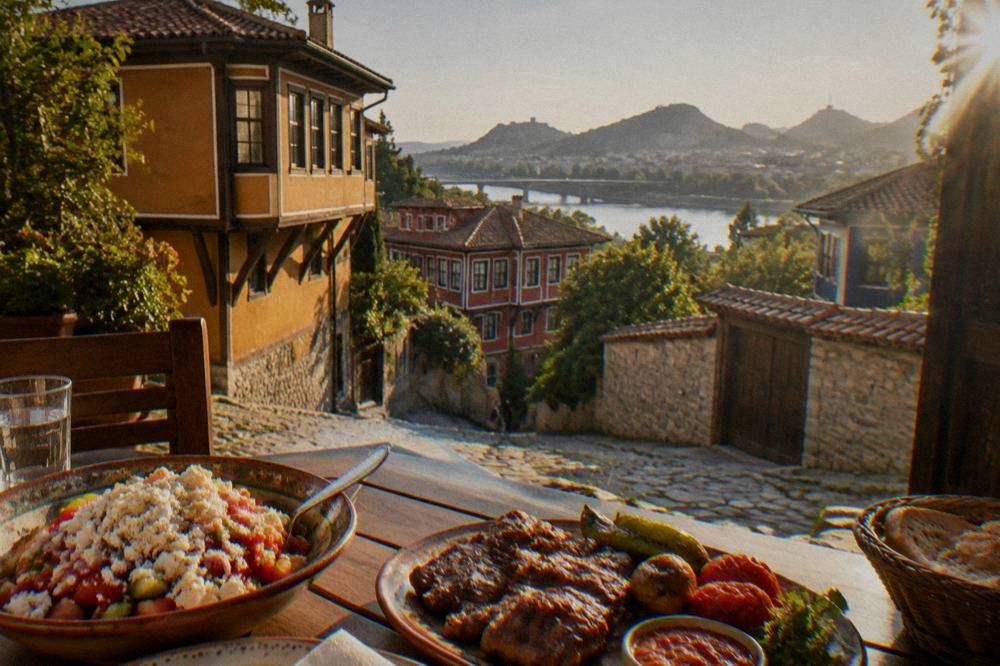
Wine deserves its own line on any Plovdiv planning list. The city sits at the edge of the Thracian Valley wine region, and the local grapes, Mavrud and Rubin among them, are the reason a tasting fits naturally into a visit. The Bulgarian wine guide explains the region and the grapes, and the Brestovitsa wine region page covers one of the nearest estates. A private tasting trip from the city is one structured way to do it.
What Day Trips Work From Plovdiv?
The strongest day trips from Plovdiv are Bachkovo Monastery with Asen's Fortress in the Rhodopes, Koprivshtitsa's house museums, and the Thracian heritage sites of Starosel and the Kazanlak Rose Valley. Bachkovo Monastery is free to enter, and the Koprivshtitsa combined ticket for all six house museums runs about 10 euro.
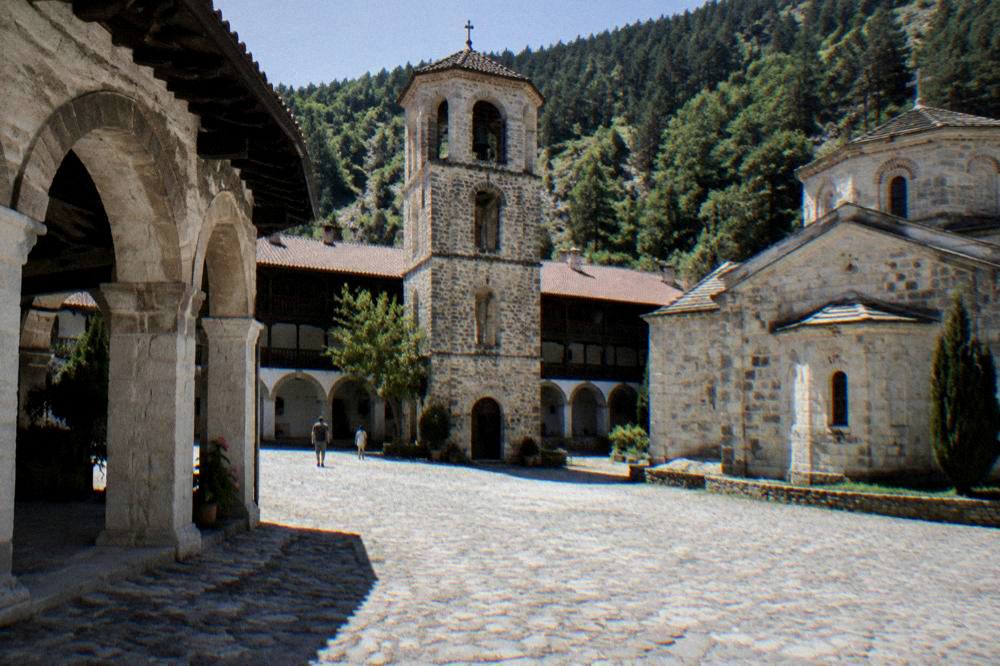
Bachkovo is a working monastery about 30 km away, reached by minibus from the Rodopi station in 35 to 45 minutes, and entry is free. Asen's Fortress sits above nearby Asenovgrad; its entry fee is small but the figure is unclear in current sources, so confirm on site. Koprivshtitsa, the National Revival town with six house museums, lies toward Sofia and pairs naturally with a transfer day between the two cities. The dedicated pages, Bachkovo Monastery, Asen's Fortress and Koprivshtitsa, carry the detail.
| Day trip | Distance or time | Entry cost |
|---|---|---|
| Bachkovo Monastery | about 30 km, 35 to 45 min by minibus | free |
| Asen's Fortress | just past Asenovgrad | small fee, confirm on site |
| Koprivshtitsa | toward Sofia | about 10 euro for all six houses |
| Wonderful Bridges, Rhodopes | southern Rhodopes | public natural site |
| Starosel Thracian complex | north of the city | small fee, confirm on site |
The Rhodopes to the south hold the Wonderful Bridges, Trigrad Gorge and the Devil's Throat cave; the Rhodope Mountains guide and the Rhodopes day tour page map out the options, and public transport thins out fast in the villages, so a tour or a car serves that direction better. For the drive-it-yourself version, the Bulgaria road trip itinerary and the Plovdiv car rental guide cover the practicalities. A half-day guided trip to Koprivshtitsa is another structured option that doubles as a transfer between Plovdiv and Sofia.
What Etiquette And Language Tips Help In Plovdiv?
Bulgarian is the language, written in Cyrillic, and English is common in the centre's cafes, restaurants and ticket desks, though a few Cyrillic words for street signs and menus repay the effort. Dress modestly at religious sites, remove shoes at the Dzhumaya Mosque, and tip around 10 percent in restaurants for good service.
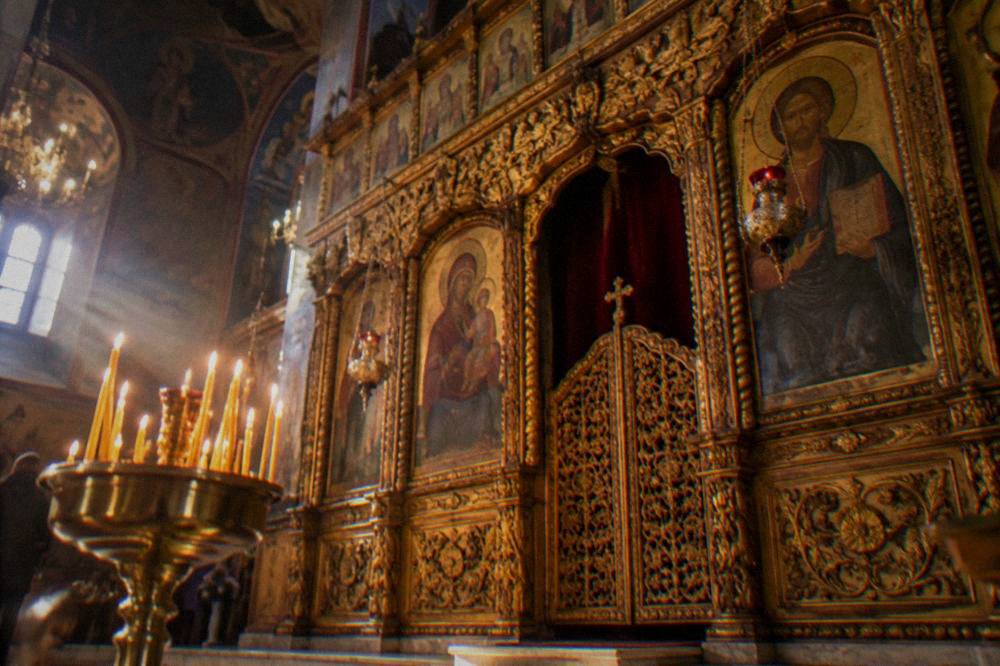
The Dzhumaya Mosque is a working mosque open to visitors, and the city's own page gives visiting hours of 6:00 to 23:00; shoulders and knees should be covered, and Friday midday prayers are the time to stay away. Orthodox churches, including the Cathedral of the Dormition and the Church of Saint Marina, expect covered shoulders too. Older guidebooks print a single construction year for the Dzhumaya Mosque, but the city's own page gives only a wide range rather than one year, so treat any single year in print with caution.
Learning the alphabet rather than the vocabulary is the highest-return language move: once you can sound out Cyrillic, street signs, bus destinations and menus stop being opaque. The Plovdiv language and phrases guide gives a working set of words, and the Plovdiv travel safety picture answers the safety question for American visitors directly. Bulgaria's full Schengen membership since 1 January 2025 means no systematic border checks against Schengen neighbours, and the Entry/Exit System has registered biometrics at external borders since 10 April 2026.
Safety-wise, Plovdiv is a normal mid-sized European city: keep an eye on belongings on crowded buses and at the bus station, and take licensed taxis. The how-safe-is-Plovdiv question and the tap-water question are answered on the site's answers pages, and both come back positive for ordinary care.
What Mistakes Should You Avoid In Plovdiv?
The recurring mistakes are expecting seven hills, calling the Old Town a World Heritage Site, quoting lev prices as current, assuming the Roman Stadium is fully excavated, and skipping museum Monday closures. None of these ruin a trip, and all of them are avoidable with a two-minute check of the right page.
The six hills point matters for orientation, because guides and maps sometimes still promise seven. The UNESCO point matters for expectations: the Tentative List listing of "The Ancient Plovdiv" from 2004 is a candidacy, and the city's heritage value is real without the badge. The stadium point matters for routing, since only the sphendone is visible and the rest sleeps under the Main Street.
The closures point matters for scheduling. The Ethnographic Museum and the Regional Archaeological Museum close on Mondays, the Old Town houses mostly keep the summer and winter hour patterns above, and the Ancient Theatre can close for daytime visits on performance days during the Opera Open season, which ran from late June to early September in 2026. The site's own Plovdiv festivals and events guide tracks the calendar, and the Plovdiv itinerary page sequences the sights for one to three days, including the rainy-day options in the Plovdiv in the rain guide.
One last planning habit: confirm locally anything time-sensitive. Festival dates, flight routes and railway works all move, and the official pages, oldplovdiv.bg for tickets, the BDZ timetable for trains and the airport's own flight search for routes, are the places to check the week you travel. This Plovdiv Travel Guide site keeps the depth pages current for exactly that purpose.
Common Questions About Plovdiv Travel Tips
Is Plovdiv expensive to visit?
Crowd-reported prices put an espresso at about 2 euro and a mid-range three-course dinner for two at about 30 to 40 euro, and the Old Town's paid sites cost between 3.58 and 7.57 euro each on the municipal ticket list. It is one of the more affordable cities in the euro area for a city break.
Do I need cash in Plovdiv?
Card payment is normal in the centre, but carrying a few euro in coins and small notes helps at museum ticket desks, market stalls and minibuses, where cash is preferred. The euro has been the sole currency since 1 January 2026.
How many days do you need in Plovdiv?
Two days cover the Old Town, Kapana, the Roman sites and the main museums at a reasonable pace, with a third day for a Rhodopes or wine-region trip. The site's itinerary pages sequence one-, two- and three-day plans.
Can you drink the tap water in Plovdiv?
The tap water question is covered on the site's dedicated answers page, and the short answer is positive for the city supply; carry a bottle in summer, since the hills add effort to a day's walking.
Is English spoken in Plovdiv?
English is common in central cafes, restaurants, museums and ticket desks, and the practical language tip is to learn the Cyrillic alphabet so street signs and menus read easily.
When is the best time to visit Plovdiv?
Late spring and early autumn sit in the comfortable middle of the climate normals, with modelled mean daily highs from about 18 to 22 C and fewer performance-day closures than midsummer; check the site's best-time-to-visit guide for the month-by-month detail.
