Bulgarian Wine: Mavrud, Melnik And Where To Taste Near Plovdiv
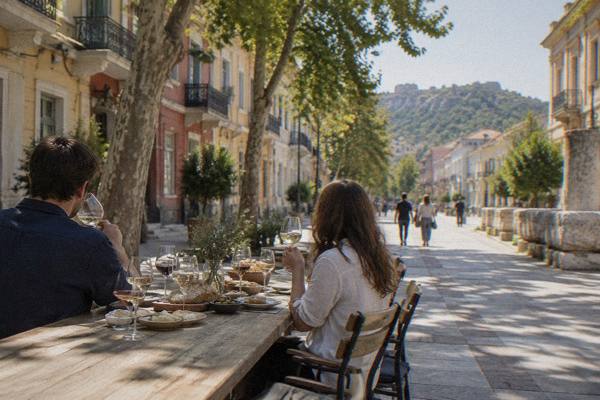
Plovdiv sits in the middle of the Thracian Valley, the wine region that Bulgarian wine lists keep coming back to, and the city is the natural base for tasting Mavrud, Rubin and the rest.
Short answer
Bulgarian wine centres on the Thracian Valley around Plovdiv, where local estates pour native varieties such as Mavrud and Rubin. Tastings are available in central Plovdiv and at wineries roughly 15 to 45 minutes away by car, and bottles travel home in checked luggage with no duty issue inside the Schengen area.
Plovdiv, in southern Bulgaria, sits in the middle of the Thracian Valley lowlands, and that plain is the heartland of Bulgarian wine. The city itself, built around six hills and often described as one of the oldest continuously inhabited cities in Europe, makes a practical base for anyone whose trip has a glass in it: local estates pour their wines in central Plovdiv, wineries sit a short drive south, and the whole region answers to two native red grapes, Mavrud and Rubin, that barely grow anywhere else. The Plovdiv Travel Guide covers the city street by street, and this page handles the wine: what the varieties are, where to taste them in town, which estates you can reach in a day, and how bottles get home.
What Makes Bulgarian Wine Different, And Why Does Plovdiv Sit At Its Centre?
Bulgarian wine is defined by native red varieties grown in the Thracian Valley, the southern plain that surrounds Plovdiv, and the region's wineries list Mavrud and Rubin as their signature pours. Plovdiv, Bulgaria's second-largest city, sits inside that valley, which makes it the only sizable city in the country where the wine region begins at the edge of town rather than a long drive away.
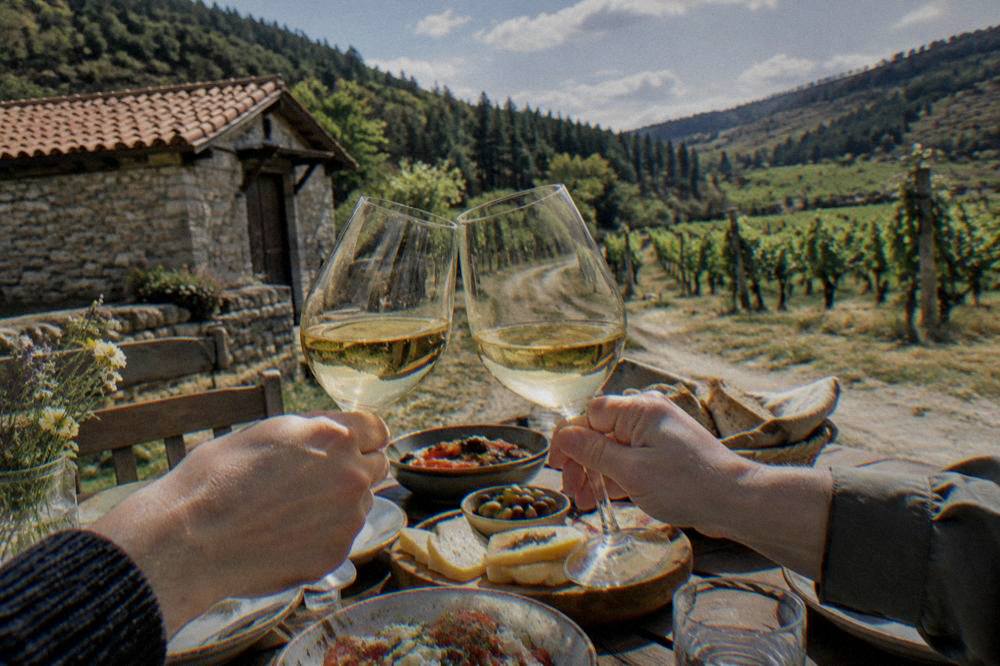
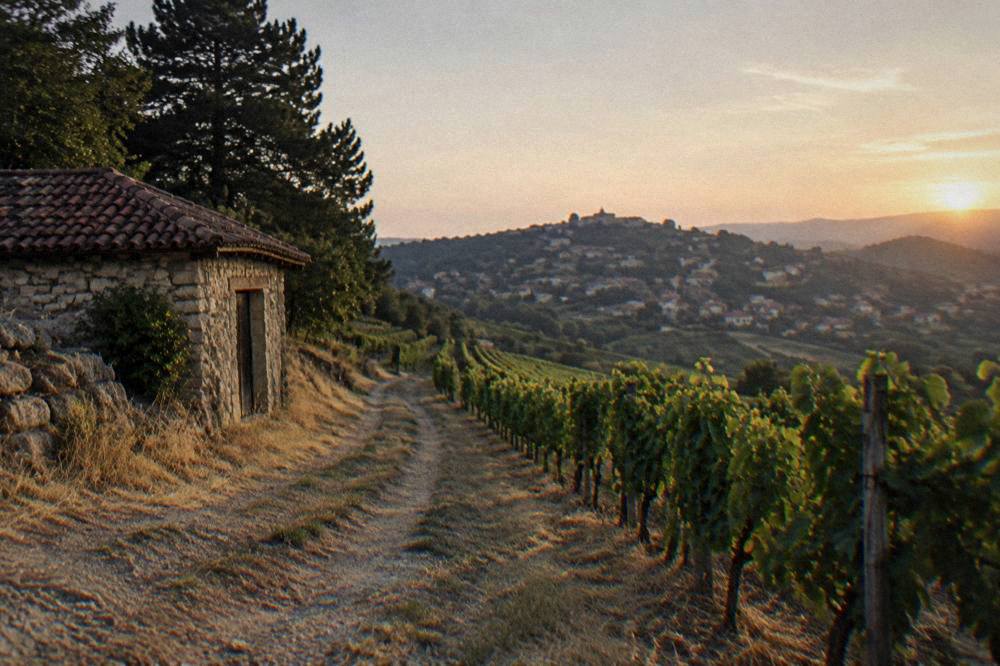
The Thracian Valley is the name Bulgarian wineries use for the lowland zone stretching south and east of the Balkan Range. The estates near Plovdiv that offer tours and tastings, including Dragomir about 15 km out and Villa Yustina about 25 to 30 km out, along with Villa Vinifera and Bendida in the Brestovitsa area, all pour Mavrud and Rubin alongside their other lines, per the wineries' own excursion listings. That concentration is what separates a Plovdiv wine trip from a Sofia one: from Plovdiv the vineyards start on the city fringe, and a tasting can share an afternoon with the Old Town or Kapana rather than demanding a whole day of motorway.
The historical framing matters less than visitors expect. Bulgaria's wine industry went through a long state-run phase and a privatised replanting after the fall of the socialist system, and the estates you can visit today are mostly young operations with modern cellars. What they retained is the grapes. Mavrud, a thick-skinned red that survives harsh winters in the Thracian lowlands, and Rubin, a crossing bred in Bulgaria in the mid-20th century, are the two names that recur on every local tasting sheet, and neither travels far beyond the region.
For context on the country's wider wine map, the Melnik day trip guide covers the southwest wine town that gives its name to another local variety, and the Brestovitsa wine region guide covers the village cluster closest to Plovdiv where several estates are based.
Which Bulgarian Grape Varieties Should You Look For Around Plovdiv?
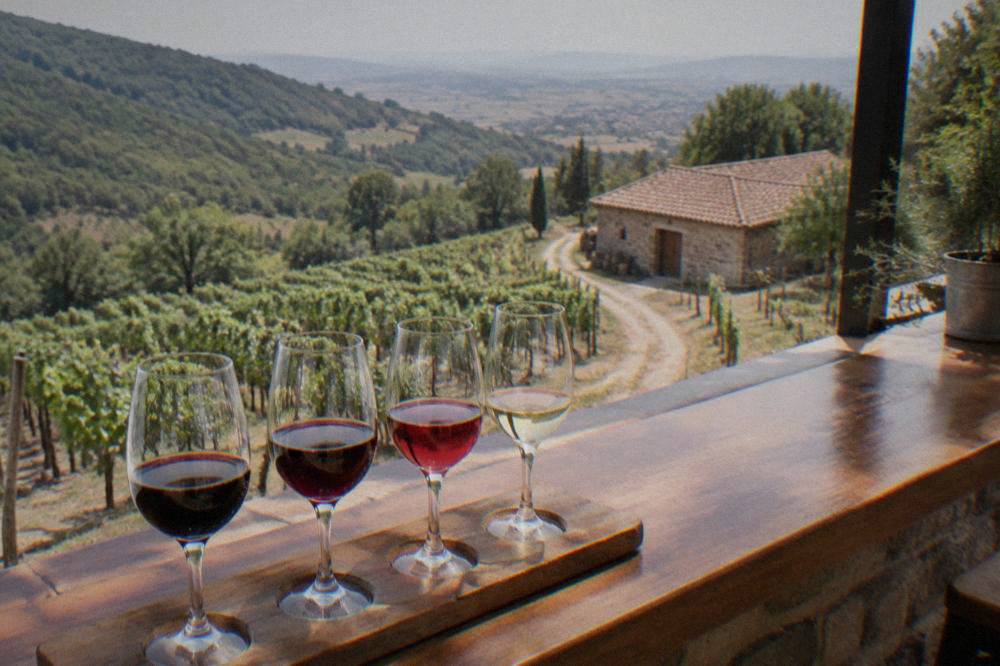
The two varieties to ask for by name around Plovdiv are Mavrud and Rubin, both reds from the Thracian Valley, and the wineries' excursion listings present exactly those two as their regional pours. Mavrud is the native grape the valley is known for, Rubin is the local crossing, and everything else on a Plovdiv tasting sheet, whites included, sits behind that pair.
Mavrud is the one with the strongest claim to being local. It ripens late, needs the valley's long warm autumn, and produces the deep reds that the region's cellars age in oak. Rubin is the pragmatic sibling: a crossing created to combine richness with reliability, and it shows up in both varietal bottles and blends. Local listings describe the two together, so a tasting that pours one almost always pours the other.
Whites matter less here but exist. Bulgarian wineries across the country produce from international varieties as well as native ones, and the Thracian estates are no exception, so a standard flight around Plovdiv usually opens with a white before the reds. Ask the pourer what is native and what is international, because the answer changes estate by estate and vintage by vintage, and no central register of plantings sits behind the bar.
| Variety | Type | Where You Meet It Around Plovdiv | What Local Listings Emphasise |
|---|---|---|---|
| Mavrud | Red, native | Thracian Valley estates near Plovdiv, poured at Dragomir, Villa Yustina, Villa Vinifera, Bendida | The signature native red of the region |
| Rubin | Red, local crossing | Same Thracian Valley estates, often beside Mavrud | A Bulgarian-bred crossing, rich and reliable |
| Melnik | Red, native | The southwest, around the town of Melnik | Covered on the site's Melnik day trip page |
| International whites | White | Standard opening pours at valley estates | Estate-by-estate, ask at the tasting |
The Melnik grape belongs to a different corner of the country, which is why this page points to the Melnik day trip guide rather than folding it into a Plovdiv itinerary. A day that covers both a Plovdiv estate and Melnik itself does not fit the distances comfortably, so pick one region per trip.
A guided option is worth considering even for confident tasters. A tasting led by someone who knows the valley's estate list removes the guesswork from which cellar to visit and usually bundles food, and the options above include a cheese-and-cured-meats tasting in the centre, a Rhodope cuisine trip that pairs mountain food with mountain roads, and a private walking tour for the morning before.
Where Can You Taste Bulgarian Wine In Plovdiv Itself?
You can taste Bulgarian wine in central Plovdiv without leaving the city, through guided tastings that pour Thracian Valley wines with food, and the shortest of them runs under an hour, which suits an evening between dinner and the walk back through Kapana. The tastings are bookable experiences rather than drop-in cellars, so reserve ahead.
The city's own tasting offer is broader than visitors expect. Alongside the food-paired evening format, a private wine tasting day tour from Plovdiv runs to valley estates with a driver, and a guided city tour ends with a sunset tasting, so the choice is really between tasting in town and tasting at the source. For the in-town option, the listing for the cheese-and-cured-meats tasting Check availability covers what is poured and what is on the board.
What a central tasting buys you is time. A Plovdiv day fills quickly with the Ancient Theatre, the Old Town houses and Kapana, and an in-town tasting slots into the evening instead of consuming an afternoon. The wine on the sheet is the same Thracian Valley material the estates pour: Mavrud and Rubin led flights, whites first, reds after, and rakia sometimes appearing at the end as the national spirit, which the site covers separately in its food pages.
Kapana, the creative district whose name means "The Trap", is where the evening naturally ends, because its narrow streets hold the bars and small venues that keep late hours. The site's Plovdiv nightlife guide covers the district after dark, and a tasting that starts at seven leaves the rest of the night open.
A Quick Comparison Of Wine Experiences From Plovdiv
| Experience Type | Where It Happens | What It Includes | Who It Suits |
|---|---|---|---|
| Guided tasting with food | Central Plovdiv | Thracian Valley wines, cheese, cured meats | An evening between sightseeing and dinner |
| Private valley wine day tour | Estates around Plovdiv | Transport to wineries, tastings on site | Visitors who want the cellar visit itself |
| City tour with sunset tasting | Plovdiv centre and a viewpoint | A guided walk, then wine at sunset | First-time visitors combining both |
| Self-driven estate visits | Brestovitsa area and beyond | Whatever each winery offers on arrival | Travellers with a car and a plan |
Booking beats walking in. The winery excursions around Plovdiv run on request, per their own listings, and the in-city tastings sell by seat, so reserve before you leave home rather than trusting a same-day slot.
Which Wineries Near Plovdiv Can You Visit In A Day?
Four named estates sit within tasting distance of Plovdiv, Dragomir about 15 km away, Villa Yustina about 25 to 30 km away, and Villa Vinifera and Bendida in the Brestovitsa area, all reachable in well under an hour by car, per the wineries' excursion listings. A single day comfortably fits two estates plus lunch, and a half day fits one.
The Brestovitsa cluster is the easiest target because the village sits so close to the city that the drive is a formality. The site's Brestovitsa wine region guide covers the practicalities of the village and its estates, and the wineries there pour Mavrud and Rubin as their regional standards. Book the tasting slot directly with the estate or through a tour operator, because the cellars run scheduled visits rather than all-day open doors.
Further afield, the valley widens. Dragomir and Villa Yustina both sit in the 15 to 30 km band and appear in regional excursion listings with tours and tastings of their Mavrud and Rubin lines. Some estates add pairings or lunch, which turns a tasting into a meal, and the sites' own booking pages list what each visit includes.
| Estate | Distance From Plovdiv | How To Get There | Signature Pours Listed |
|---|---|---|---|
| Dragomir | about 15 km | Car, or a booked tour | Mavrud, Rubin and other lines |
| Villa Yustina | about 25 to 30 km | Car, or a booked tour | Mavrud, Rubin and other lines |
| Villa Vinifera | Brestovitsa area | Car, taxi or tour | Thracian Valley reds |
| Bendida | Brestovitsa area | Car, taxi or tour | Thracian Valley reds |
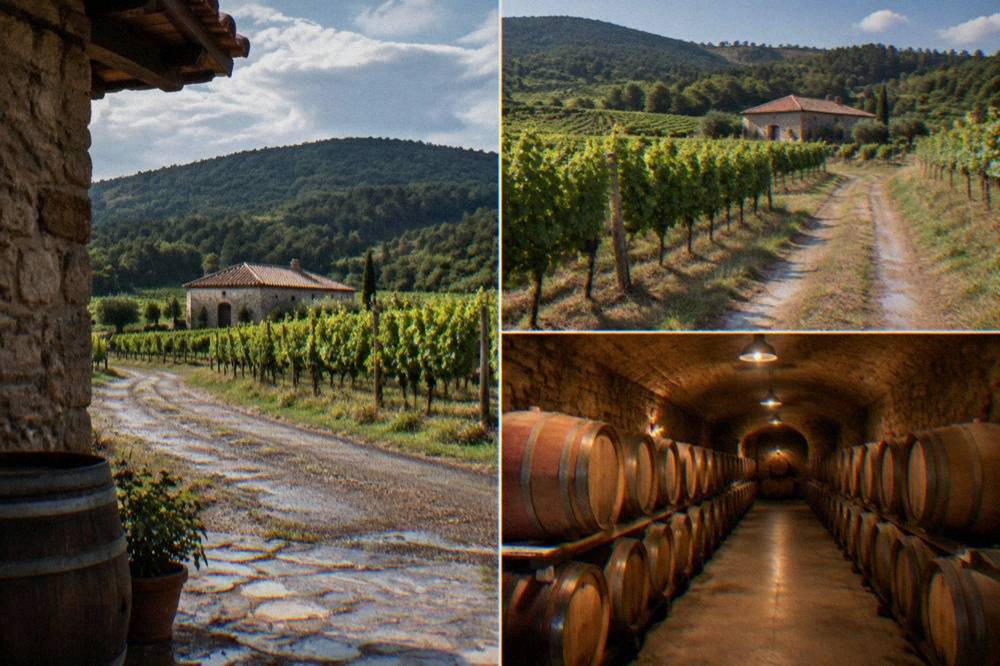
A private driver-guide simplifies the day if you would rather not drive after the second estate. The valley wine tasting private tour from Plovdiv handles the route and the bookings, and Check availability shows what the price covers. The Thracian Valley also holds older history than the wineries: the Starosel Thracian complex day trip covers a Thracian cult temple in the same lowlands, and the Thracians who built it were making wine in this valley long before any modern cellar stood on it.
For the non-driving alternative, a small-group day out that pairs Rhodope mountain food with scenery, including the Wonderful Bridges rock formation, puts a full Bulgarian table in one booked trip, and its page is worth a look for the food-forward traveller: Check availability.
How Does Wine Fit Into A Plovdiv Meal?
Bulgarian wine arrives at a Plovdiv table the way rakia does, as part of the meal rather than beside it, and the local pattern is a glass of red with the grilled meat course, whites with the salads and starters, and rakia as the opener. The pairings follow the national table: shopska salad and banitsa first, kavarma and kebapche after, wine throughout.
The Bulgarian meal structure is starter-heavy, which suits wine. Shopska salad, the tomato, cucumber and sirene cheese mix, and tarator, the cold yogurt and cucumber soup, are the standard openers, and a white carries them. The grill follows: kebapche and kyufte, the minced-meat rolls and patties, and kavarma, the clay-pot stew, are the mains that a Thracian red such as Mavrud is poured against. The site's Bulgarian food guide and what to eat in Plovdiv page cover each dish in detail, including breakfast banitsa and the street-food versions.
To taste your way through those dishes, book a food and culture tour here.
Confirm hours and prices locally before booking a table. What can be said is the pattern: a mehana, the traditional tavern format, is where wine and grilled meat meet, and the centre around Kapana and Main Street holds the densest supply. Confirm hours and reserve a table in the Old Town on busy evenings.
| Course | Typical Dishes | What Is Poured With It |
|---|---|---|
| Starters | Shopska salad, tarator, banitsa | White wine, or rakia as an aperitif |
| Mains | Kebapche, kyufte, kavarma | Thracian Valley reds such as Mavrud or Rubin |
| Dessert and after | Fruit, sweets, coffee | Espresso, per crowd data about 2 euro, or a last rakia |
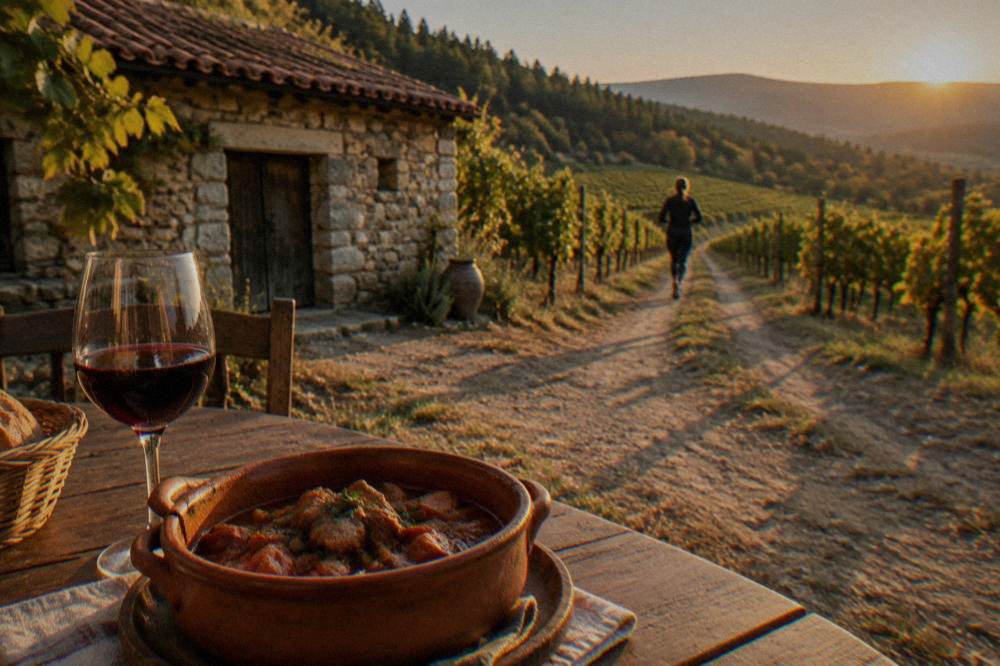
Rakia deserves its own sentence even on a wine page, because it opens the Bulgarian table and sometimes closes it. The site's rakia coverage sits inside the food section, and the short version is that rakia is a fruit brandy, served neat, and that refusing the first pour is harder than accepting it.
When Is The Best Season For Wine Travel Around Plovdiv?
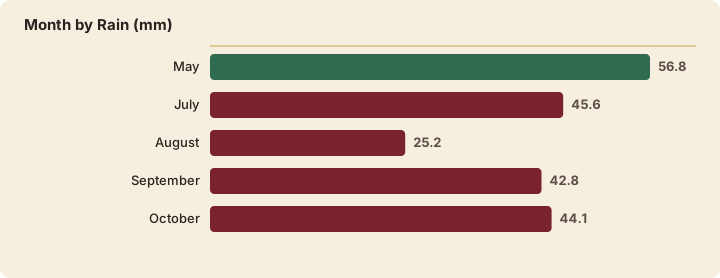
The harvest window of September and October is the season wine travellers aim for around Plovdiv, because the ERA5 reanalysis, 1991-2020, puts September's mean daily high at 23.8 C and October's at 18.1 C with 42.8 and 44.1 mm of rain respectively, warm, dry-ish months when the valley's grapes come in. Spring works too, with May at 21.9 C but the year's higher rainfall total at 56.8 mm.
The numbers come from modelled climate normals for the Plovdiv grid cell, and they describe a continental pattern: hot summers, with July at 28.2 C and August at 28.6 C mean daily highs, and cold winters, with January lows averaging -2.6 C. Summer tastings move the experience indoors, which the valley's cellars handle well, since a barrel hall is naturally cool. The site's Plovdiv weather guide and best time to visit page carry the full monthly table.
| Month | Mean Daily High (C) | Mean Daily Low (C) | Rain (mm) | What It Means For Wine Travel |
|---|---|---|---|---|
| May | 21.9 | 11.5 | 56.8 | Green vines, the year's higher rain total |
| July | 28.2 | 17.9 | 45.6 | Hot, tastings indoors |
| August | 28.6 | 18.1 | 25.2 | The driest month in the table |
| September | 23.8 | 13.8 | 42.8 | Harvest season begins |
| October | 18.1 | 8.8 | 44.1 | Harvest and late-season visits |
The calendar adds two fixed points. The Vinaria wine fair ran 17 to 21 February 2026 as part of the spring programme at the International Fair Plovdiv, so late winter is the trade-facing moment when the valley's producers show their lines in the city itself. And Kapana Fest's autumn edition ran across the first two weekends of October 2026, which puts street food, crafts and live music in the same district as the wine bars during harvest month. The site's coverage of the city's European Capital of Culture legacy explains why Plovdiv's festival calendar runs this deep.
Can You Buy Bulgarian Wine Bottles And Take Them Home From Plovdiv?
Yes, bottles of Thracian Valley wine bought in Plovdiv travel home in checked luggage, and since Bulgaria has been a full Schengen member since 1 January 2025 there is no customs line to cross when flying onward inside the zone, only the airline's own baggage rules and any home-country duty allowance. Wine itself is sold in euro, the currency since 1 January 2026.
The practical route is simple. Estates sell at the cellar door, and the city's shops and the wineries' own distribution cover the rest, so ask at your tasting where their bottles are sold in town. Bubble wrap and a rigid suitcase handle the flight, and the airline's checked-baggage alcohol allowance is the limit that matters inside Schengen.
For travellers heading onward through the region, the bottles can travel with you. Plovdiv connects to Sofia by direct train in about 2 h 40 to 3 h 05 per the BDZ timetable, and the site's Sofia to Plovdiv guide covers the route, while the getting around Plovdiv page handles the city end. Visitors arriving by air should note that Plovdiv Airport at Krumovo has a small route list, so the site's Plovdiv Airport guide is the page to check against your home airport.
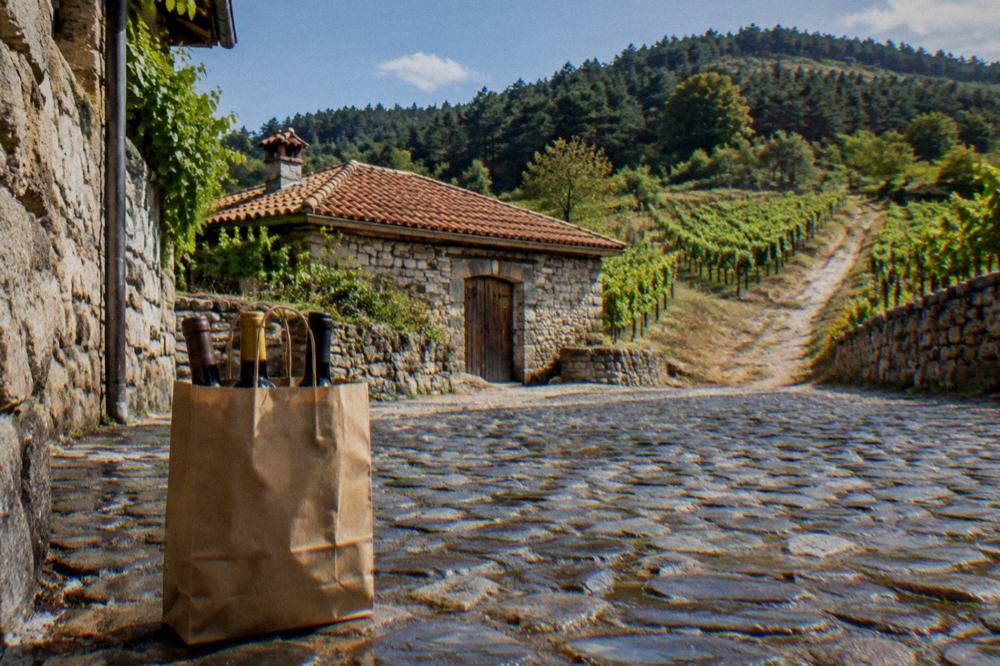
One tip that costs nothing: photograph the labels you liked at the tasting. Bulgarian labels mix Cyrillic and Latin script, and a photo of the bottle beats trying to spell Mavrud from memory at a shop counter three days later.
How Do You Build A Plovdiv Trip Around Wine Without Missing The City?
A wine-centred Plovdiv trip works as two nights minimum: one evening for a central tasting with food in Kapana, one day for a valley estate or the Brestovitsa cluster, and the mornings left for the Ancient Theatre and the Old Town houses, which cost 3.58 euro each on the Old Plovdiv single-site ticket or 10.74 euro on the five-site combined ticket.
The city half of that plan is what Plovdiv is for. The Ancient Theatre of Philippopolis, built in the 90s of the 1st century AD with 28 concentric rows of marble seats, the Roman Stadium's free sphendone, and the free open-air Nebet Tepe complex stack into a morning, and the things to do in Plovdiv page sequences them properly. A private walking tour with a guide covers the same ground with context, and Check availability shows the route.
The wine half fills the afternoon and evening. A morning walk, a valley estate after lunch, and a tasting in town at night is a full and generous day, and the short in-city version, a 40-minute tasting of Bulgarian wines in the centre, suits a schedule that cannot spare the afternoon: Check availability.
| Trip Shape | Nights | Wine Content | City Content |
|---|---|---|---|
| Weekend wine break | 2 | One central tasting, one estate visit | Old Town, Ancient Theatre, Kapana evenings |
| Three-day mix | 3 | Estate day plus a second tasting | Full Old Town ticket set, museums, Nebet Tepe |
| Day trip from Sofia | 0 to 1 | Central tasting only | Highlights walk in the Old Town |
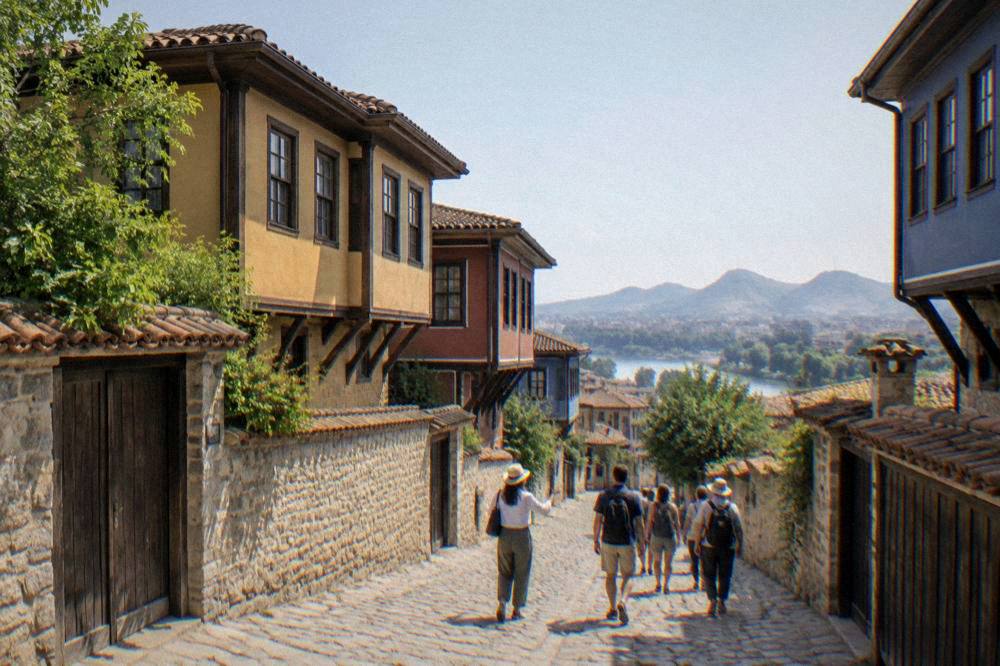
Travellers basing in Sofia can still taste Plovdiv's wine country: several day trips from the capital bundle the city with valley stops, and the site's Sofia coverage explains the trade-off between basing in the capital and basing here. Where to sleep on the Plovdiv side is handled by the where to stay in Plovdiv guide, which maps the central districts against the Old Town.
Common Questions About Bulgarian Wine In Plovdiv
What wine is Bulgaria most known for?
Bulgaria is most known for Thracian Valley reds, above all Mavrud and Rubin, the two varieties the wineries around Plovdiv pour as their regional signature, and for Melnik from the southwest of the country. The valley estates' own excursion listings present Mavrud and Rubin as the pours to ask for by name.
Can you visit wineries from Plovdiv without a car?
Yes, but not by walking. The estates near Plovdiv sit roughly 15 to 30 km out in the valley, and the practical car-free options are a booked tour with transport included, a private valley wine tour from Plovdiv, or a taxi to the Brestovitsa cluster arranged with the winery in advance.
How much does a wine tasting in Plovdiv cost?
Each tasting's from-price changes by date, so check its booking page for the current figure. For everyday drinks, crowd data puts an espresso or a half-litre of beer at around 2 euro in Plovdiv, as a rough city-level reference only.
Is rakia the same as Bulgarian wine?
No. Rakia is a fruit brandy, served neat, usually as an aperitif or digestif, while wine is the fermented grape drink poured with the meal. Both belong to the Bulgarian table, and a valley tasting sometimes ends with a rakia pour after the reds.
When is grape harvest season around Plovdiv?
Harvest runs through the autumn, and the ERA5 reanalysis, 1991-2020, puts September's mean daily high at 23.8 C and October's at 18.1 C in Plovdiv, which is the window the valley's grapes come in. Kapana Fest's autumn edition ran across the first two weekends of October 2026, overlapping the season.
Can I bring Bulgarian wine back home in my luggage?
Yes, in checked luggage, subject to your airline's rules and your home country's duty allowance. Bulgaria has been a full Schengen member since 1 January 2025, so flights onward inside the zone cross no customs line. Wrap the bottles well and photograph the labels you liked before you pack them.
Bulgarian wine is a good reason to come to Plovdiv, but it is an even better reason to stay an extra night, because the valley's cellars, the city's tasting rooms and a table of kavarma and kebapche fit together in a way few wine regions manage. Ask for Mavrud by name, book the cellar before you drive out, and let the evening in Kapana run long.