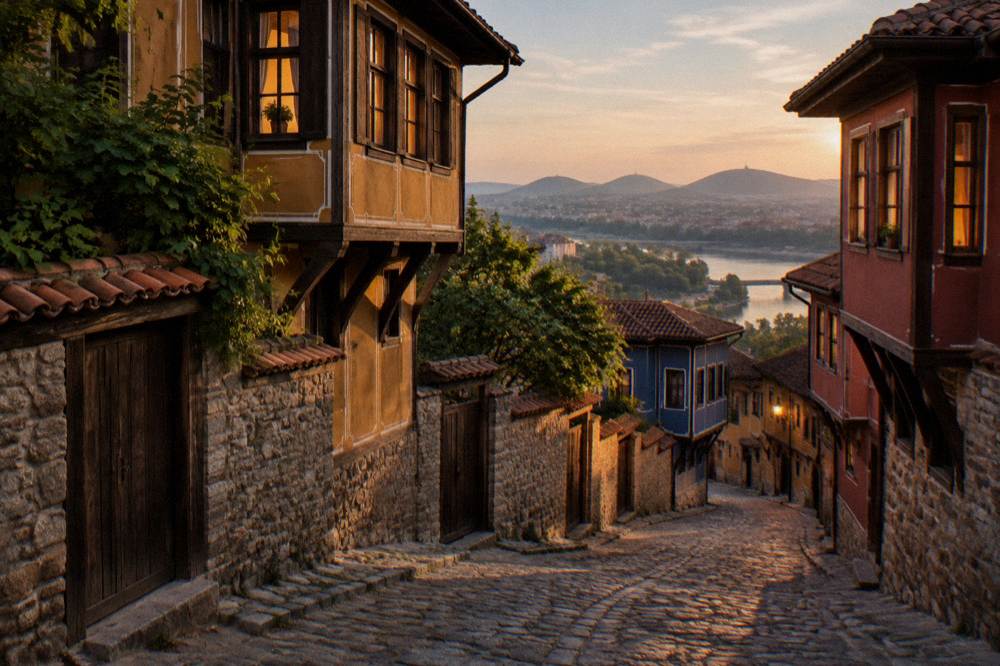
Where To Stay In Plovdiv: Old Town, Kapana Or The Center
Plovdiv, in southern Bulgaria, splits neatly into a handful of distinct places to sleep: the cobbled Old Town, the creative streets of Kapana, the flat and practical Center, and the quieter residential hills across the river. Here is what each one actually offers, what the sights around it cost to enter, and how the pieces connect on foot and by train.
Short answer
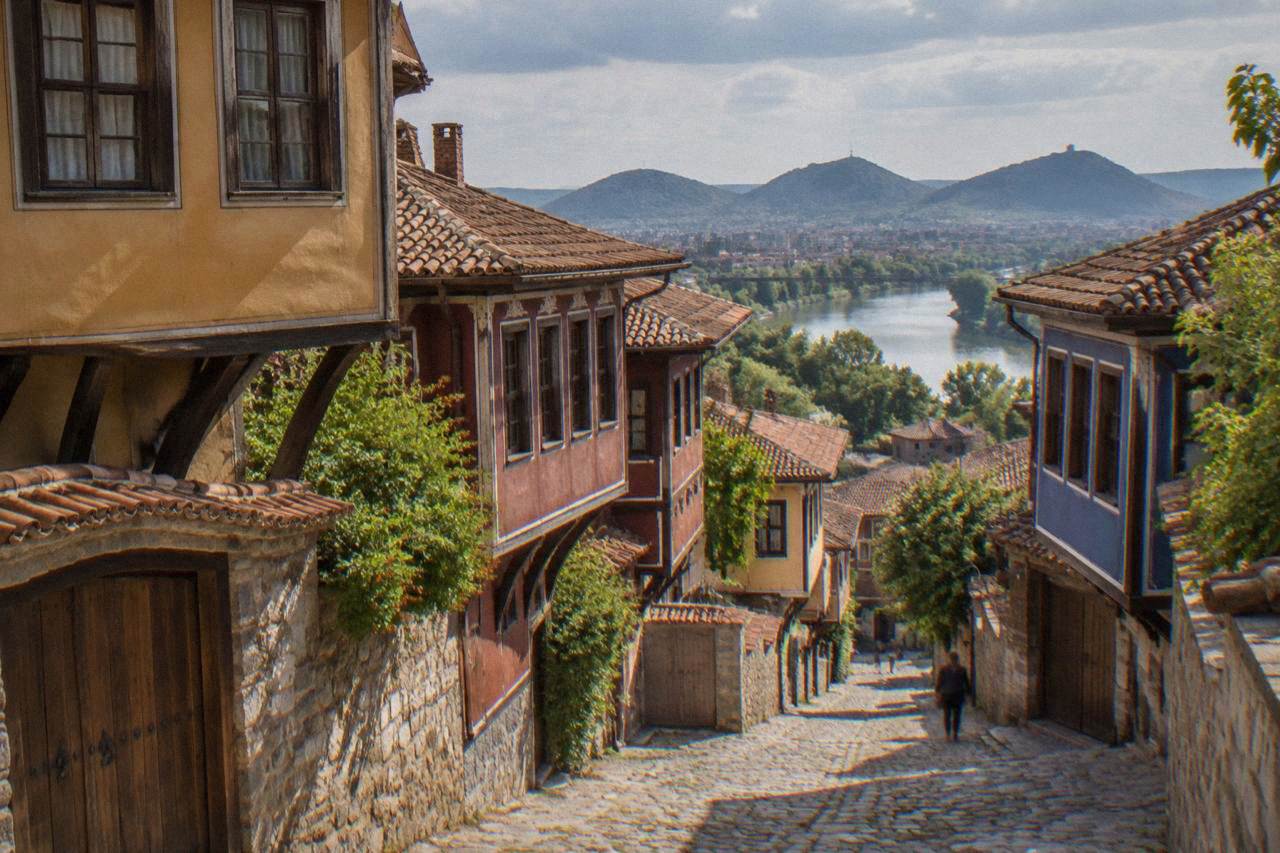
For a first visit, stay in or beside the Old Town for the Revival houses, the Ancient Theatre and the views from Nebet Tepe. For bars, street art and a younger atmosphere, choose Kapana. For flat walking, shops and easy train access, choose the Center along Main Street. All three are within a short walk of each other, so the decision is about mood more than distance.
Plovdiv, Bulgaria's second-largest city, is an inland city built around six hills, and where you sleep inside that landscape shapes the whole trip. The Old Town sits on the Three Hills, Kapana and the Center sprawl below on flat ground, and quieter neighbourhoods stretch across the Maritsa river. The city is compact enough that a "wrong" choice still leaves you a short walk from everything, but the character of each area is genuinely different, from cobbles and museum houses to gallery streets and pedestrian shopping.
This guide compares the areas, prices the sights you will walk to from each one, and lays out the transport picture, the free sights and the seasonal timing. Nothing here is a first-person visit report, and hotel names, nightly rates and a tourist tax rate are deliberately left out, because no accommodation figure was confirmed for this page. Where a number matters, it comes from an official price list or is flagged as crowd-sourced.
Which Area Of Plovdiv Should You Stay In?
For a first visit to Plovdiv, the Old Town or its immediate edge is the strongest base: the Ancient Theatre, Nebet Tepe, Hisar Kapia and the Revival house museums are all on your doorstep. Kapana suits travellers who want bars, galleries and street art within a maze of narrow lanes. The Center, along Main Street, suits anyone who wants flat walking, shopping and the quickest route to the train station.
The three areas sit next to each other. The Old Town rises on the Three Hills just above the Center, and Kapana's lanes begin a few minutes west of the Central Square. A walker staying anywhere in the middle of the city reaches all of them on foot, which is why the choice is really about atmosphere. The Old Town is cobbled and occasionally steep, the Center is a long pedestrian street of shops and cafes, and Kapana is a tangle of small streets whose name literally means "The Trap", as the municipal tourism site explains, because visitors lose their way among them.
| Area | Character | Best for | Trade-offs |
|---|---|---|---|
| Old Town | Revival-era houses, cobbles, museum sites | First visits, history, views | Cobbles, slopes, quiet at night |
| Kapana | Creative district, bars, galleries, street art | Nightlife, younger vibe, food | Can be noisy on weekends |
| Center / Main Street | Pedestrian shopping street, flat ground | Practicality, station access, shopping | Least atmospheric of the three |
| Across the river (Karshiyaka) | Residential, green, local pace | Longer stays, quiet nights | A bridge walk to the sights |
One planning note that applies wherever you book: accommodation in Plovdiv may add a per-night tourist tax, and no confirmed 2026 euro rate exists for it, so confirm the total at booking rather than assuming it is included.
Is The Old Town The Best Base For A First Visit To Plovdiv?
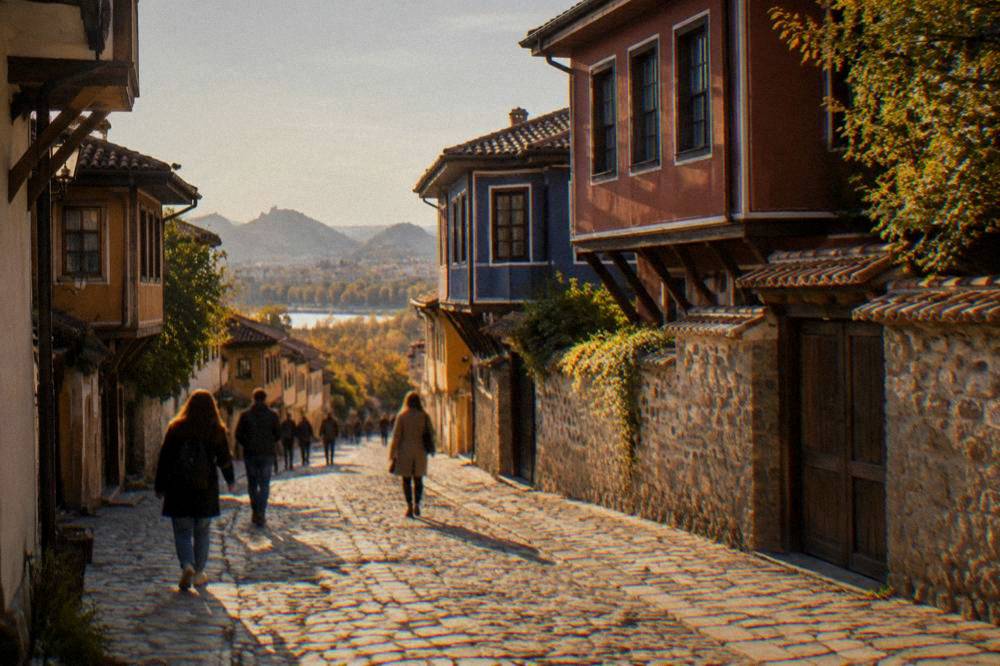
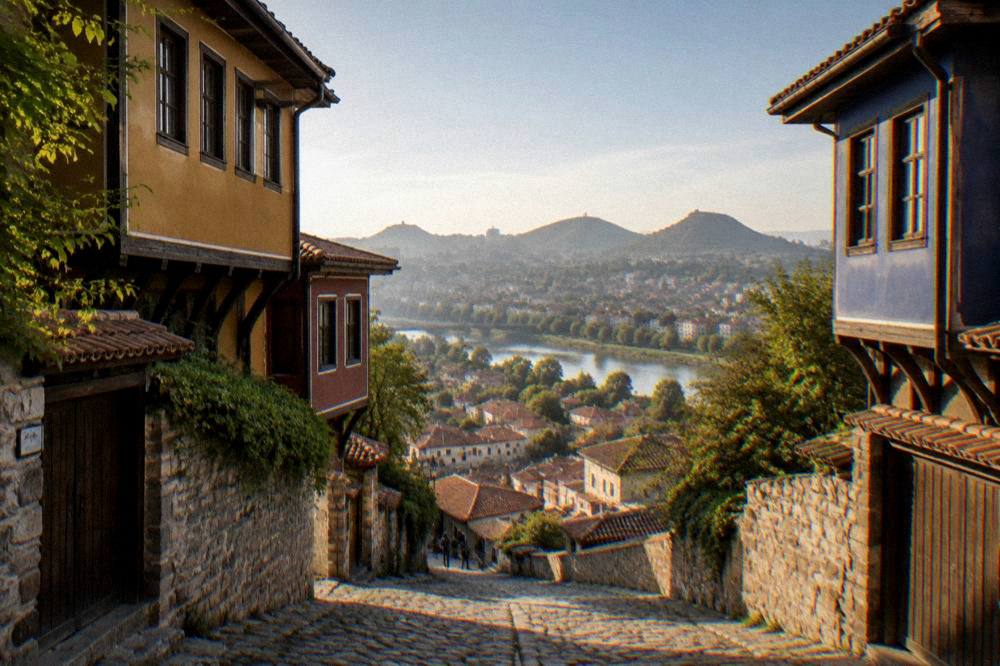
Yes, for a first visit the Old Town is the natural base: the Ancient Theatre of Philippopolis, Nebet Tepe, Hisar Kapia and the house museums are all inside it or on its edge, and the views over the lower city from the Three Hills are part of what the area is known for. The trade-off is cobbled lanes, slopes and a quieter night-time street life than Kapana.
The Old Town is the historic core of the city, often described as one of the oldest continuously inhabited cities in Europe, with the city's tourism site dating the first settlement on Nebet Tepe to the 4th millennium BC. The Ancient Theatre, built in the 90s of the 1st century AD, is the anchor sight, with 28 concentric rows of marble seats. The oldplovdiv.bg ticket page lists a single-site adult ticket at 3.58 euro, students at 1.53 euro and a family ticket at 7.16 euro, with a combined ticket covering up to five sites at 10.74 euro for adults. The combined ticket excludes the basilicas, and the Bishop's Basilica is priced separately at 7.57 euro for adults, so check what your planned stops include before buying.
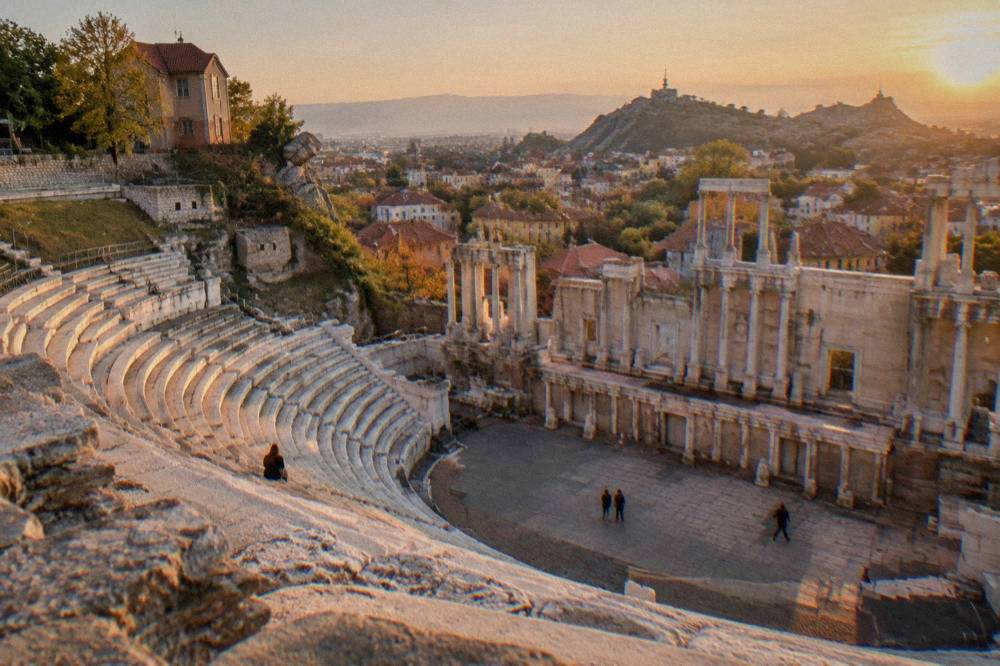
Nebet Tepe is the free viewpoint of the area. Its restoration was completed under an EU-funded project and officially opened in March 2025, and access is free and unrestricted. Hisar Kapia, the old gate, is a public landmark with no ticket, open at all hours. Both sit a few minutes' walk from anywhere in the Old Town, which is why a stay here puts the expensive sights and the free ones in the same small radius. The area detail page at Old Town Plovdiv sights and streets covers the individual houses and gates in depth.
A guided walk is one of the efficient ways to absorb the area on a first evening. The site's featured Old Town walk with a rakia tasting runs through these lanes with a local guide, and the Ancient Theatre of Philippopolis guide pairs well with it if the theatre is your priority.
Want the theatre and lanes explained by a guide? Book a guided walking tour here.
The Old Town also hosts the Old Plovdiv house museums, including Balabanov, Nedkovich and Lamartine houses, each on the one-site ticket above. Opening quirks matter here: the Regional Ethnographic Museum and the Regional Archaeological Museum are both closed on Mondays, so a Monday arrival in the Old Town is better spent outdoors at Nebet Tepe or in Kapana. Free-entry days exist too: the Regional History Museum is free the first Thursday of the month, and Old Plovdiv sites offer first-Thursday free entry for students and seniors, per the ticket page's concession rules.
| Old Plovdiv sight | Adult ticket | Student | Free access notes |
|---|---|---|---|
| Any one Old Plovdiv site (theatre, houses, Small Basilica) | 3.58 euro | 1.53 euro | Under 7 free; first Thursday free for students and seniors |
| Combined ticket, up to 5 sites | 10.74 euro | 4.09 euro | Excludes the Small Basilica and Bishop's Basilica |
| Bishop's (Great) Basilica | 7.57 euro | 3.58 euro | Daily 9:00 to 18:00 year round |
| Roman Stadium sphendone (open air) | Free | Free | Always viewable in the open street |
| Roman Stadium 3D hall | 3.68 euro | 1.23 euro | Eastern sector plus 3D hall combined: 5.11 euro |
| Nebet Tepe | Free | Free | Open-air, unrestricted access |
| Dzhumaya Mosque | Free | Free | Working mosque; modest dress, avoid prayer times |
Note what that table does not include: a combined-ticket validity period, which no official page confirms, so buy on the day you plan to use it and check at the desk. And if a first day in the Old Town leaves you planning a full route, the one-day Plovdiv itinerary sequences these stops in a workable order.
Is Kapana The Right Area For Bars, Street Art And A Local Feel?
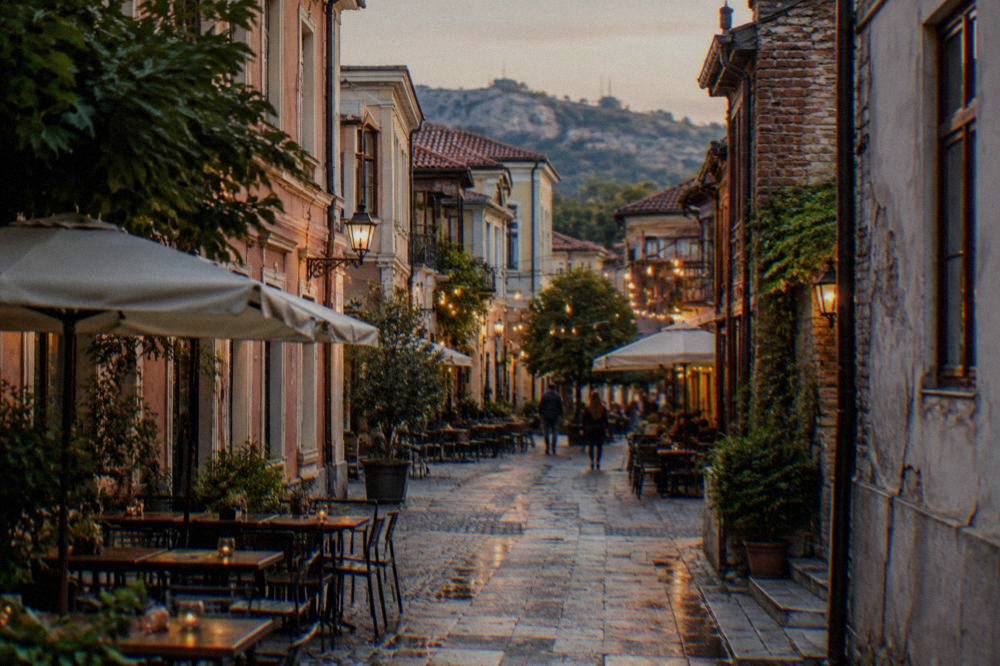
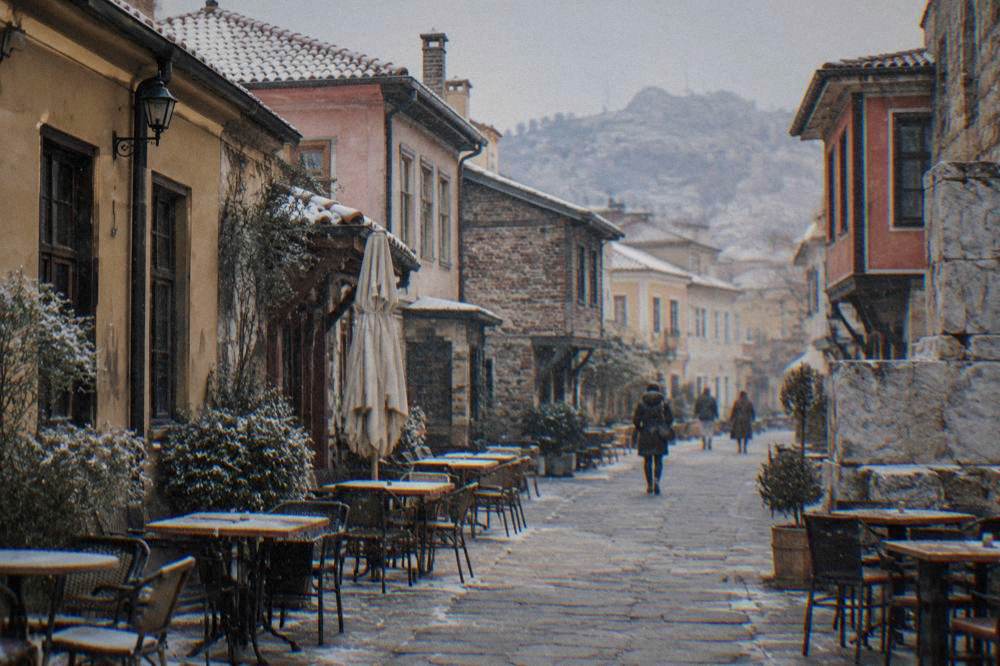
Kapana, whose name means "The Trap", is the maze of narrow streets west of the Central Square that became Plovdiv's creative district, and it is the right area if you want bars, galleries, murals and small food spots on your doorstep. Its streets are free and open at all hours, the atmosphere is younger and louder than the Old Town, and weekend nights can be busy.
The municipal tourism site explains the name: the tangled lanes were said to trap visitors who wandered in. Today the tangle is the point. Street art fills the walls, small venues sit shoulder to shoulder, and the district's open-air festivals, including the Kapana Fest autumn edition that ran 2 to 4 and 9 to 11 October 2026, take over the surrounding squares. No individual Kapana bar, gallery or shop is named as a recommendation on this page, because none had its hours or prices confirmed, but the district as a whole is free to explore and sits directly between the Center and the Old Town.
For evening planning, the Plovdiv nightlife guide and the street art walking routes cover the district's after-dark and painted faces in detail. Food-wise, Kapana and the Center overlap, and the best restaurants in Plovdiv rundown is the companion read. Crowd-sourced cost data (numbeo.com) puts an espresso in the city at around 2 euro and a half-litre of draught beer at around 2 euro, figures to treat as indicative rather than official.
A wine tasting in the center of the city is another low-effort evening anchored to this area, and a solo pick for it sits further down this page.
Should You Stay On Main Street And In The Center Of Plovdiv?
The Center, along Plovdiv's long pedestrian Main Street, is the practical choice: flat ground, shops and cafes, the Roman Stadium visible in the open air beneath the street, and the quickest walking route to the central railway and bus stations. It is the least atmospheric of the three core areas, but it removes every hill from your daily route.
Main Street is the city's spine. The Roman Stadium, built in the 2nd century AD on the model of the Stadium at Delphi and once holding up to 30,000 spectators, survives only in its northern part, the sphendone, which you can view free in the open air, with the rest lying under the modern street. Around it stretch the shops, the Central Square, the Dzhumaya Mosque (free to visit, modest dress required, avoid prayer times) and the onward connection to Kapana.
A Center base suits travellers arriving by train, since the central railway station and the Yug bus station sit side by side on Hristo Botev Boulevard at the bottom of the street. The Plovdiv train station guide covers the station works, which matter: the Plovdiv railway junction modernisation was reported 85 percent complete in November 2025 with completion targeted for 2026, so expect some access changes around the station while the project finishes. Getting around inside the city needs no tickets for the core: the Center, Kapana and the Old Town are all a walk apart. The city bus e-ticket costs 0.50 euro, a figure from the municipal ticketing rollout, but for a central stay you may never need one.
Where To Stay In Plovdiv On A Budget?
Budget stays in Plovdiv cluster around the edges of the Center and across the river in quieter residential districts, where the trade for a slightly longer walk in is lower nightly cost and more local streets.
The free layer of the city is genuinely large: Nebet Tepe, Hisar Kapia, the Kapana streets, the Alyosha monument hill, the open-air sphendone of the Roman Stadium and the Dzhumaya Mosque all cost nothing. The Alyosha monument, unveiled in 1957, stands on Bunardzhik hill, a free public park with city views. For paid sights, the one-site ticket at 3.58 euro and the combined ticket at 10.74 euro are the main outlays, and the museums add a few euro each. The Regional Archaeological Museum, whose permanent exhibition was renewed in November 2025 with about 150 new exhibits and a bilingual audio guide, is on Saedinenie Square at the top of Main Street.
| Sight or museum | Entry | Day to plan around |
|---|---|---|
| Nebet Tepe | Free | Open air, unrestricted |
| Hisar Kapia gate | Free | Public landmark |
| Kapana district streets | Free | Streets always open |
| Alyosha monument, Bunardzhik | Free | Public park |
| Roman Stadium sphendone | Free | Visible any time |
| Dzhumaya Mosque | Free | Closed to visits during prayer times |
| Regional Ethnographic Museum | About 3.07 euro | Closed Mondays |
| Regional Archaeological Museum | Confirm on site | Closed Mondays |
| Regional History Museum sites | 5.00 euro one site | Free first Thursday of the month |
There is no official Plovdiv city card, so do not plan around one. And a caution repeated from the top of this page: a per-night tourist tax may be added by accommodation, and its 2026 euro rate is not confirmed, so the number on a booking page is the only number to trust.
Where Should Families Stay In Plovdiv?
Families are best placed in the Center or the lower edge of the Old Town, where the flat pedestrian street, the Tsar Simeon Garden and the free open-air sights keep walking short and strollers usable. The Old Town's cobbles and slopes are manageable with older children but harder with a buggy, and Kapana's value is evening-oriented.
The Center wins on logistics. Tsar Simeon Garden with its singing fountains, the Central Square and the free sphendone sit on flat ground, and the walk between the stations and the sights never climbs. The Plovdiv with kids guide expands the family angle, including the garden and the quieter green hills. Family tickets soften the paid sights: the Old Plovdiv family ticket (parents with children aged 7 to 16) is 7.16 euro for a single site, and children under 7 enter free across the municipal sites.
For a family evening, the wine tasting pick below is adult business, but a rakia-and-walk evening works for a group splitting up, and the open-air theatre programme is genuinely family-relevant in summer: the Opera Open festival ran 23 June to 9 September 2026 at the Ancient Theatre, turning a museum ticket into a live-venue night.
How Do You Reach Your Area From Sofia Or The Airport?
Direct BDZ trains from Sofia to Plovdiv take about 2 hours 40 minutes to 3 hours 5 minutes and arrive at the central station at the bottom of Main Street, which puts a Center or Kapana stay within a short walk of arrival; Plovdiv Airport at Krumovo, about 12 to 14 km southeast of the centre, has a small, seasonal route list, so the capital's airport remains the main gateway for most trips.
The train is the practical spine of a Sofia arrival. Trains routed via Karlovo take far longer, so pick a direct service when comparing times on the BDZ timetable. Buses run from Sofia's central bus station to Plovdiv's Yug station in about 1 hour 45 minutes to 2 hours 20 minutes (reported), arriving beside the railway station. Both land you within walking distance of the Center, with Kapana beyond it and the Old Town up the hill.
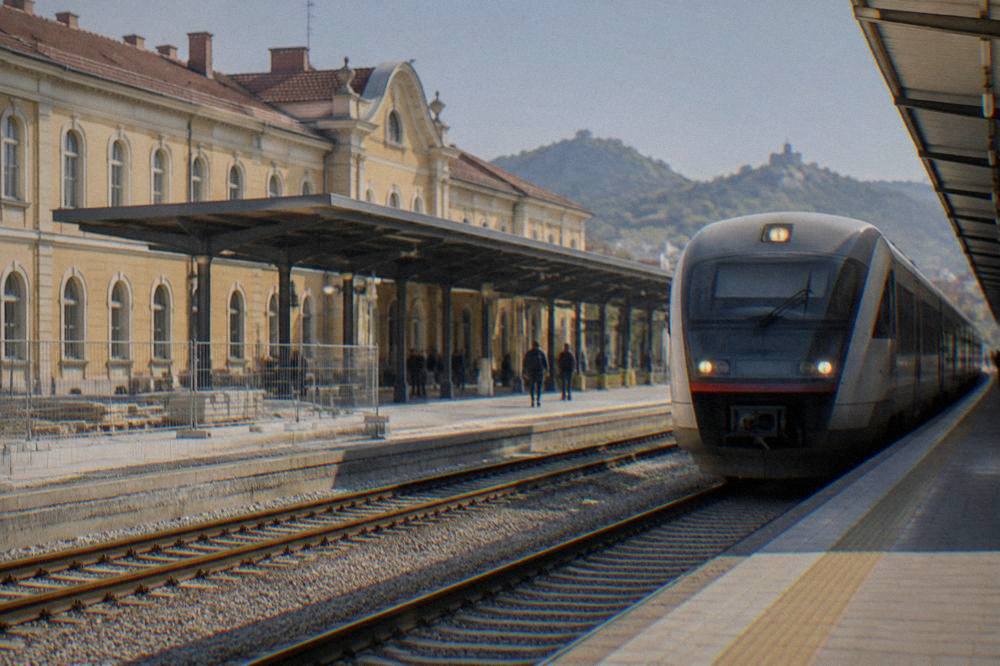
The Sofia to Plovdiv transport guide and the Plovdiv Airport guide cover the full route picture, including the airport's announced Ryanair and Wizz Air routes, which should always be confirmed with the airline because the list is small and changes by season. If a Rhodopes day trip is on your plan from any of these areas, the Rodopi bus station on Macedonia Boulevard, south of the center, is the departure point for the southern mountain routes, including minibuses toward Bachkovo Monastery.
That monastery-and-fortress pick is the popular southern excursion from the city, covering Bachkovo Monastery, a working monastery with free entry, and Asen's Fortress above Asenovgrad. Confirm fortress admission locally, as published figures mix currencies and none is treated as confirmed on this page.
What Is The Best Time Of Year To Stay In Plovdiv?
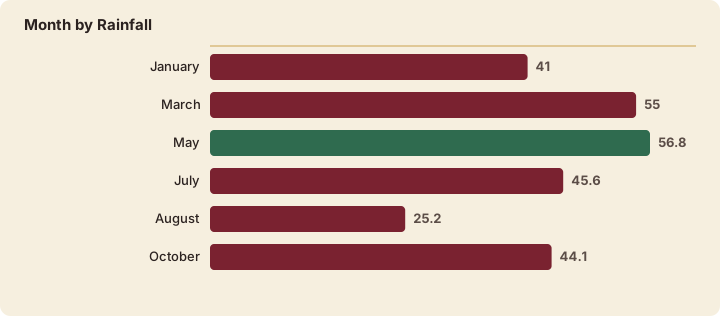
Late spring to early autumn is the comfortable window for a Plovdiv stay, with ERA5 reanalysis 1991-2020 climate normals showing mean daily highs of 21.9 C in May, 25.9 C in June and 28.6 C in August, while January sits at 5.9 C with nights around -2.6 C; May and March are the months with the highest modelled rainfall, at 56.8 mm and 55.0 mm, and August the lowest at 25.2 mm.
These are modelled grid-cell normals, not a station record, and reanalysis smooths urban heat, so treat them as planning ranges. What they mean for an area choice: summer stays anywhere in the core benefit from the Old Town's shade and the evening outdoor programme, while winter stays lean toward the Center and Kapana, where the Christmas market ran 28 November 2025 to 4 January 2026 in its last edition, with the 2026/27 edition announced for 1 December 2026 to 7 January 2027 around Kapana and the Central Square.
| Month | Mean daily high | Mean daily low | Rainfall |
|---|---|---|---|
| January | 5.9 C | -2.6 C | 41.0 mm |
| March | 12.1 C | 2.1 C | 55.0 mm |
| May | 21.9 C | 11.5 C | 56.8 mm |
| July | 28.2 C | 17.9 C | 45.6 mm |
| August | 28.6 C | 18.1 C | 25.2 mm |
| October | 18.1 C | 8.8 C | 44.1 mm |
The full seasonal breakdown, including which festivals land in which weeks, sits in the best time to visit Plovdiv and Plovdiv weather guides. The short version for lodging: book early for the Opera Open summer and the Kapana Fest weekends, because the core areas fill around both.
What Does A Stay In Each Area Actually Look Like Day To Day?
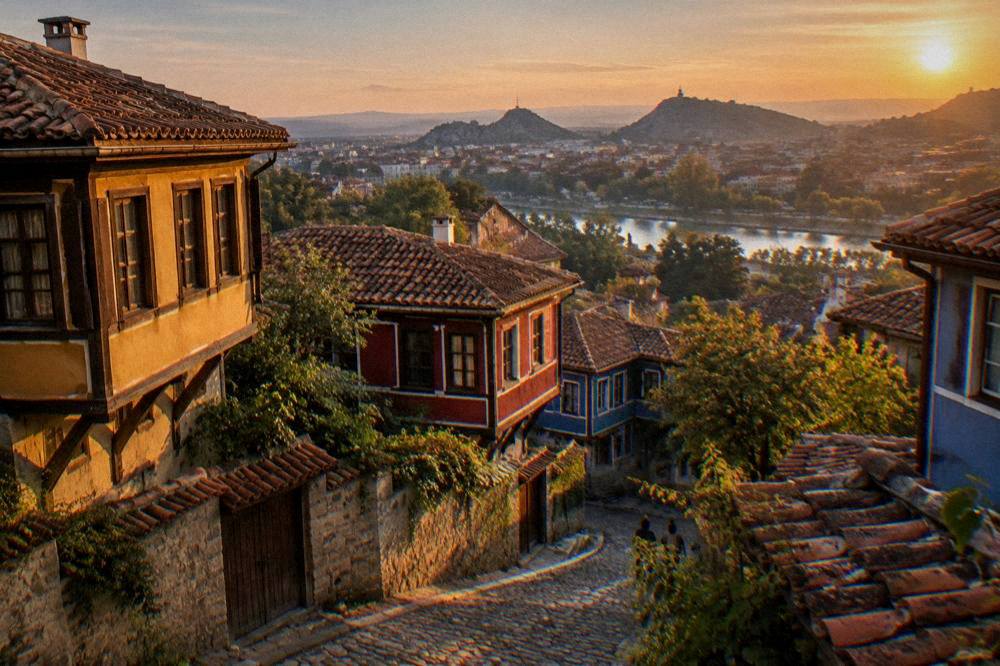
A day from an Old Town base is museums and viewpoints before lunch, a descent into Kapana for the evening; a Center base reverses it, flat shopping street by day and the climb up to the theatre or the hills when the light softens; a Kapana base keeps the whole day inside a ten-minute radius of galleries, food and the Old Town gates.
None of the three demands a bus. The vertical span of the city, from the stations at the bottom of Main Street to Nebet Tepe at 207 m, the lowest of the Three Hills, is a walk measured in minutes rather than hours, though the cobbles slow luggage with wheels. That is the one packing note that genuinely differs by area: the Old Town rewards a backpack over a roller suitcase.
For the evenings you do not spend in Kapana, a tasting in the center of the city is the other reliable format:
And if the question after all of this is not where to sleep but what to fill the days with, the root things to do in Plovdiv page is the full sight-by-sight index, with the Hisar Kapia and Hindliyan House pages carrying the Old Town detail a stay there puts within reach.
Whichever area wins, the underlying arithmetic of the city does not change: the paid sights cluster on one ticket list, the free layer is unusually thick, and the whole thing fits inside a walkable quarter bounded by the stations, the river and the hills.
Common Questions About Where To Stay In Plovdiv
Where to stay in Plovdiv for a first visit?
The Old Town or its immediate edge, which puts the Ancient Theatre, Nebet Tepe, Hisar Kapia and the house museums within a few minutes' walk. The Center along Main Street is the flat, practical alternative if cobbles are a problem, and Kapana is the pick for bars and street art.
Is it better to stay in the Old Town or Kapana in Plovdiv?
It depends on the mood of the trip. The Old Town is quieter, historic and hilly; Kapana is the creative district, livelier in the evenings, with lanes whose name means "The Trap". The two sit about five minutes apart on foot, so neither cuts you off from the other.
Do I need a car to stay in Plovdiv?
No. The Center, Kapana and the Old Town are all walkable from one another, the central railway and bus stations sit at the bottom of Main Street, and the city bus e-ticket costs 0.50 euro for anything beyond the core. A car only earns its keep for Rhodopes or Thracian Valley day trips on your own schedule.
How much do the sights around each area cost to enter?
Per the official Old Plovdiv ticket page, a single-site adult ticket is 3.58 euro, students 1.53 euro, a family ticket 7.16 euro, and a combined ticket for up to five sites 10.74 euro. The Bishop's Basilica is separate at 7.57 euro. Nebet Tepe, Hisar Kapia, Kapana's streets, the stadium sphendone and the Dzhumaya Mosque are free.
Is there a tourist tax on hotels in Plovdiv?
Confirm the total, tax included, at booking.
Which area is quietest at night in Plovdiv?
The residential districts across the river and the upper Old Town lanes away from the main drag are the quietest. Kapana and the lower Center carry the evening noise, especially on festival weekends such as the autumn Kapana Fest.