Free Things To Do In Plovdiv
Plovdiv, Bulgaria's second-largest city, gives away a remarkable amount for nothing: a hilltop archaeological complex, a Roman stadium in the open air, a whole creative district and a working mosque, all free and open.
Short answer
The best free things to do in Plovdiv are Nebet Tepe, the Roman Stadium sphendone on the Main Street, the Kapana district, Hisar Kapia, the Alyosha monument hill and the Dzhumaya Mosque, all open public spaces with no ticket. The first Thursday of the month brings free entry at some museums.
Plovdiv, in southern Bulgaria, is an inland city built around six hills, and an unusual share of its sightseeing costs nothing at all. The hilltop complex of Nebet Tepe, the northern curve of the Roman Stadium, the gate of Hisar Kapia, the maze of Kapana and the hill of the Alyosha monument are all open public space, free at any hour. The city is often described as one of the oldest continuously inhabited cities in Europe, and the municipal tourism site dates the first settlement on Nebet Tepe to the 4th millennium BC. None of that heritage requires a ticket to stand inside it.
This page from the Plovdiv Travel Guide desk walks through every genuinely free sight, the free days at otherwise paid museums, the free events on the annual calendar and the low-cost extras worth knowing about. Where a price exists it is reported from the official Old Plovdiv ticket list and always quoted in euro, since Bulgaria adopted the euro on 1 January 2026. For the paid half of the city, see the full things to do in Plovdiv page.
What Is Actually Free In Plovdiv?
The genuinely free sights in Plovdiv are Nebet Tepe, the Roman Stadium sphendone viewed from the open air, Hisar Kapia, the Kapana district's streets, the Alyosha monument on Bunardzhik hill and the Dzhumaya Mosque, all public or free-entry spaces with no ticket and no closing booth. Each one sits within walking distance of the central square.
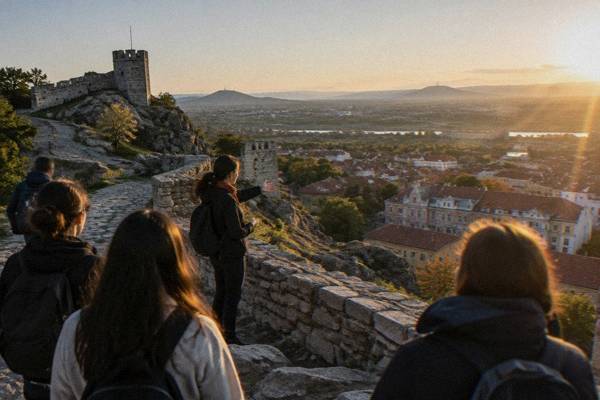
That list is short, but it covers the views, the Roman remains and the atmosphere that a day in the city turns on. Nebet Tepe is an open-air archaeological complex on one of the Three Hills: its restoration and socialisation project was officially opened in March 2025, and access is free with no set visiting hours, which local reporting confirms. The Roman Stadium's northern curve, the sphendone, was unearthed in the 1970s and can be seen in the open air without paying; only the 3D projection hall beside it, reported at 3.68 euro for an adult, is ticketed. The rest of the stadium still lies beneath the Main Street.
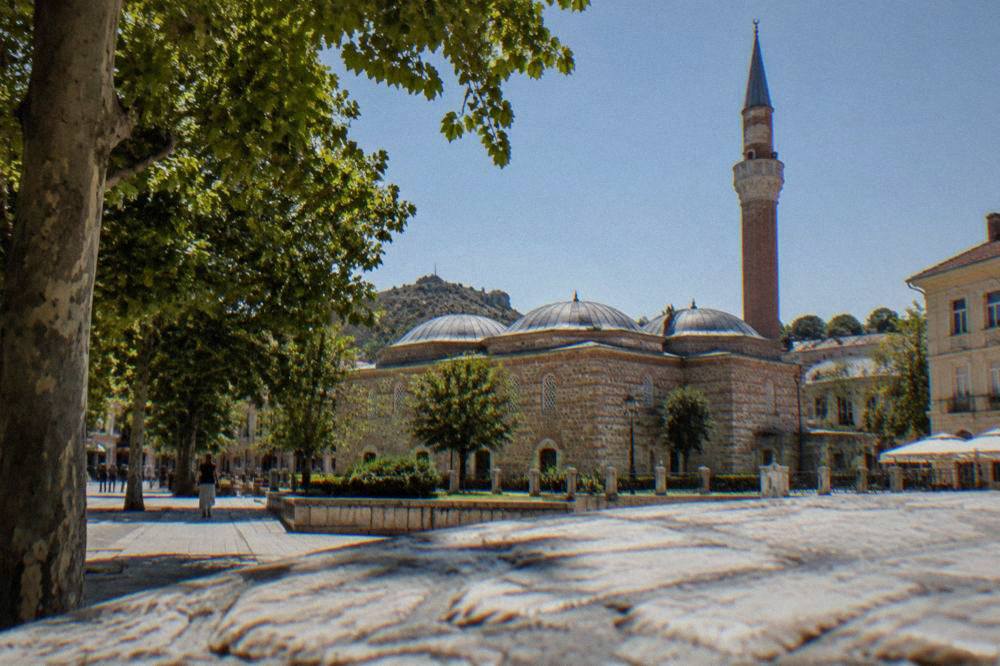
Hisar Kapia, an old gate at the edge of the Old Town, stands in a public square at all hours. Kapana, whose name means "The Trap" in a maze of narrow streets, is a creative district of open lanes, murals and small courtyards. The Alyosha monument, unveiled in 1957, crowns Bunardzhik hill in a public park. The Dzhumaya Mosque, free to visit and the second-largest mosque in Bulgaria by built area at about 1,500 square metres, welcomes visitors outside prayer times with modest dress.
| Free sight | What it is | Access |
|---|---|---|
| Nebet Tepe | Open-air hilltop archaeological complex | Free, no set hours |
| Roman Stadium sphendone | Northern curve of a 2nd-century AD stadium | Free in the open air |
| Hisar Kapia | Historic gate at the Old Town edge | Free, open at all hours |
| Kapana | Creative district of narrow streets | Free, open public lanes |
| Alyosha monument | Hilltop monument on Bunardzhik | Free, public park |
| Dzhumaya Mosque | Working mosque, about 1,500 sq m | Free, outside prayer times |
How Much Of Roman Plovdiv Can You See Without A Ticket?
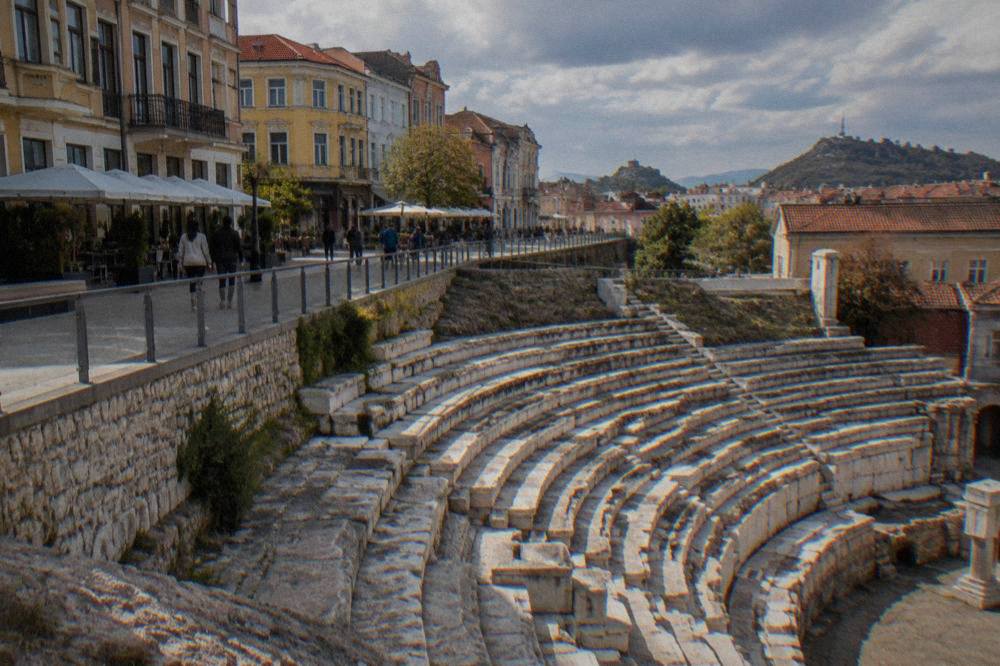
A large share of Roman Plovdiv is visible for free: the Roman Stadium sphendone, the fortification walls around Nebet Tepe and the street-level traces of the ancient city can all be seen in public space, while the Ancient Theatre of Philippopolis itself is a paid site at a reported 3.58 euro for an adult. The theatre, built in the 90s of the 1st century AD with 28 concentric rows of marble seats, sits inside a ticketed area, though its upper tiers frame views over the city that can be glimpsed from the lanes above it.
The division is worth understanding before planning a day. The stadium was built in the 2nd century AD on the model of the Stadium at Delphi and held up to 30,000 spectators, yet only its northern part is accessible today: the rest sleeps under the pedestrian Main Street, and the sphendone's 13 rows of seats are open to walk past without paying. A 3D hall beside it sells a fuller reconstruction, reported at 3.68 euro adult, or 5.11 euro combined with the eastern sector.
The wider Roman layer, including the Odeon, the Forum and the Eirene mosaics, is covered in the guide to Roman Plovdiv, where the same free-versus-paid split is set out site by site.
Tip-based walking tours also run in the city: they cost nothing up front and you pay the guide what you choose, with no platform needed, and walkers should confirm meeting points locally. For sight-by-sight planning, the Plovdiv walking tour guide lays out a route that threads the free lanes together with the ticketed houses.
When Are Plovdiv Museums Free?
The first Thursday of the month is the key date: the Regional History Museum is free to everyone on that day, and students and seniors get free entry at the Old Plovdiv sites, per the museum's own admission page and the ticket list. The Regional History Museum's paid tariff, reported from its site, runs 5 euro for one site, 8 for two, 10 for three and 12 for four, so a first-Thursday visit saves the full tariff across its several buildings.
The Ethnographic Museum, in the Kuyumdzhiev House, is closed on Monday and open 9:00 to 17:00 in winter and 9:00 to 18:00 in summer; its adult price is reported at about 3.07 euro. The Regional Archaeological Museum, on Saedinenie Square, is closed Monday and open Tuesday to Sunday 10:00 to 18:00, and its permanent exhibition was renewed in November 2025 with about 150 new exhibits and a bilingual audio guide.
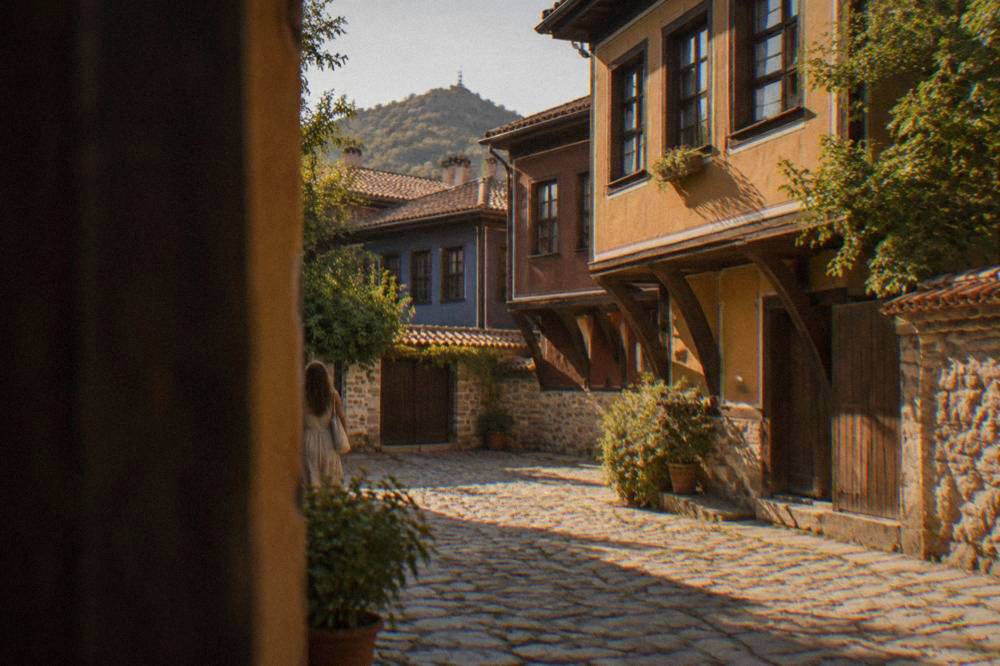
| Museum | Free day | Closed | Reported adult price |
|---|---|---|---|
| Regional History Museum | First Thursday of the month | varies by site | 5 euro one site |
| Old Plovdiv sites | First Thursday for students and seniors | varies by site | 3.58 euro one site |
| Ethnographic Museum | First Thursday reported for students and seniors | Monday | about 3.07 euro |
| Regional Archaeological Museum | First Thursday reported for students and seniors | Monday | confirm at the desk |
Is The Old Town Of Plovdiv Free To Walk Around?
Yes, the streets, lanes and steps of the Plovdiv Old Town are entirely free to wander, and only the individual museum houses inside it, such as Balabanov House and Hindliyan House, carry a ticket, reported at 3.58 euro per site for an adult or 10.74 euro for a combined ticket covering up to five sites. The combined ticket excludes the Small Basilica and the Bishop's Basilica, and its validity period is not stated on the official page, so confirm at the point of sale.
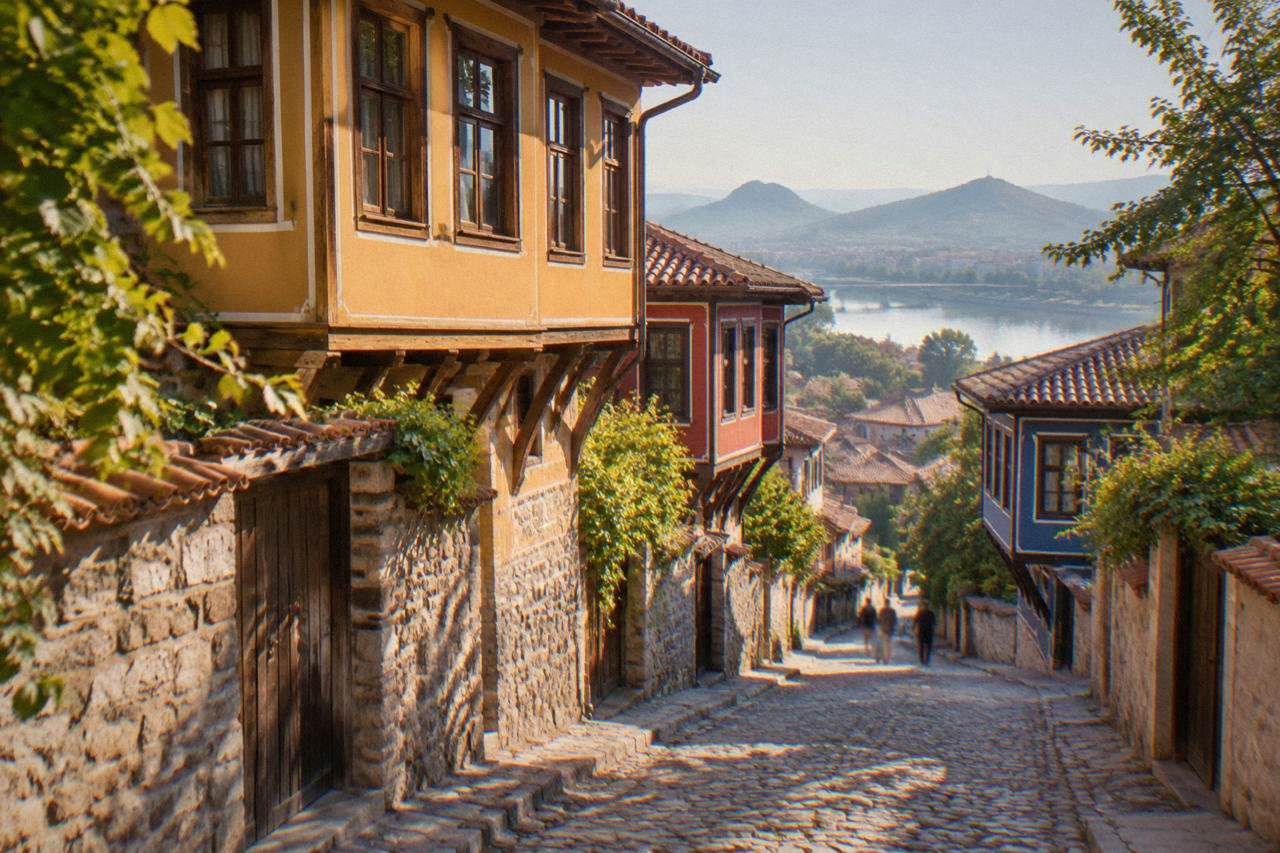
That distinction matters, because a first-time visitor sometimes assumes the whole hill is a ticketed attraction. It is not. The Old Town is a living neighbourhood of revival-era houses, cobbles and viewpoints, and "The Ancient Plovdiv" sits on Bulgaria's UNESCO Tentative List, submitted in 2004, which is a waiting list rather than an inscription. The architecture, the gates and the panoramas over the plain cost nothing.
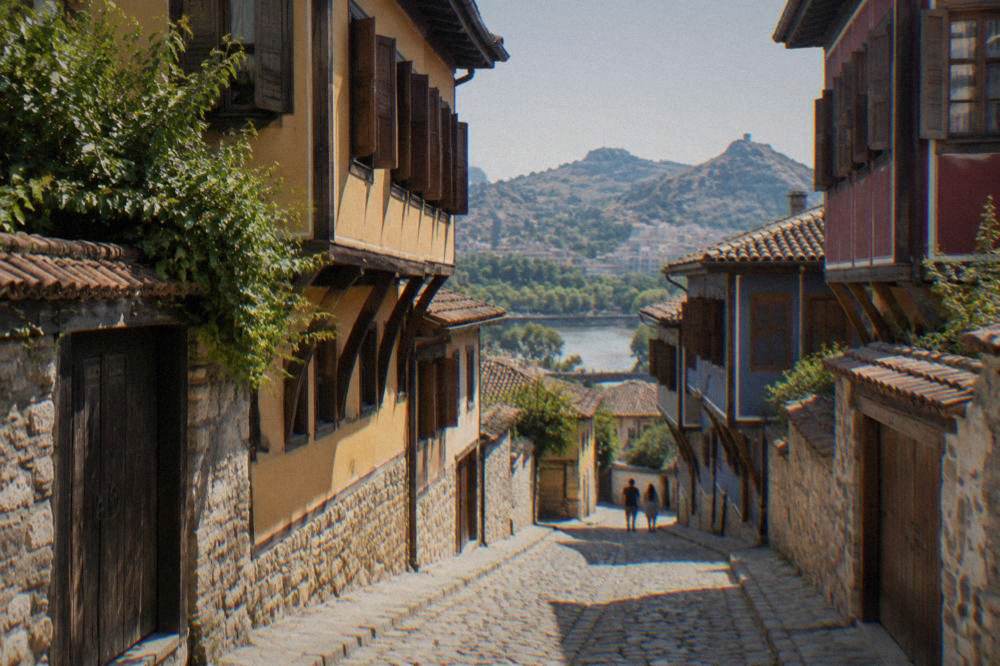
The paid houses are worth their price to many travellers, but a free itinerary loses little: the exterior of the houses, the view from the Three Hills and the streets themselves are the reasons the district photographs so well. The where to stay in Plovdiv guide covers the neighbourhoods around the Old Town for anyone planning to sleep beside it.
Which Views And Hills In Plovdiv Cost Nothing?
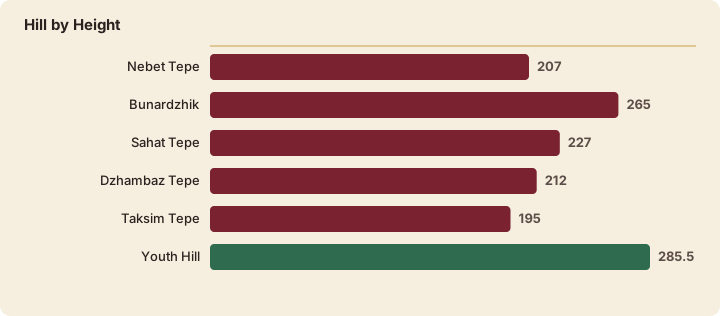
All six of Plovdiv's hills are public and free to walk at any hour, and the two best-known panoramas, Nebet Tepe in the Three Hills group and Bunardzhik with the Alyosha monument on top, need no ticket at any time of day or in any season. The heights are modest, Nebet Tepe at 207 metres and Bunardzhik at 265 metres, but the city sits on a plain, so the lookouts reach far: the Rhodopes to the south, the whole red-roofed centre below.
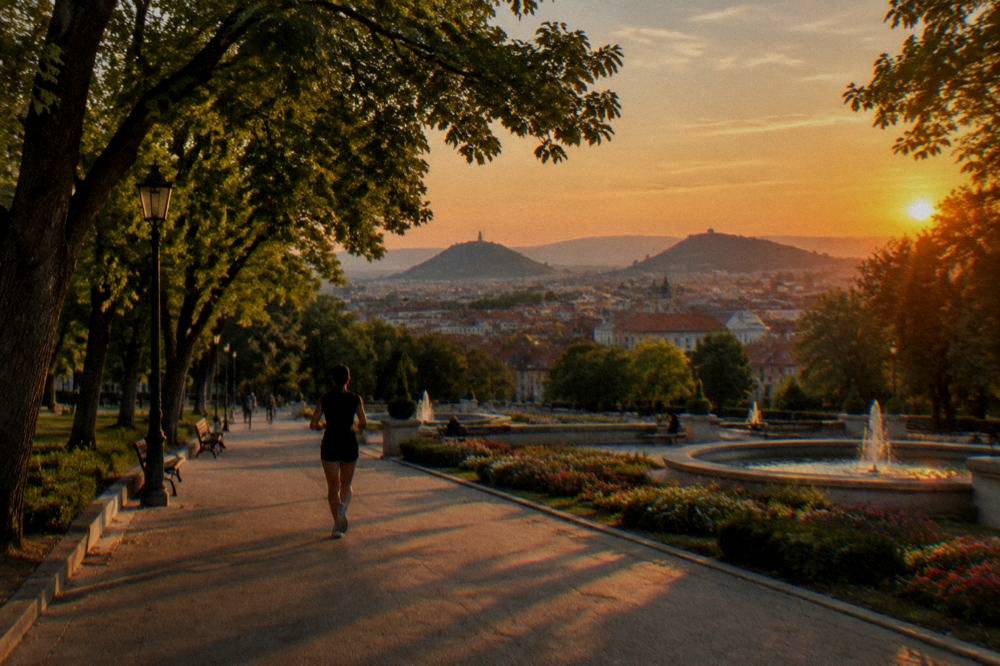
There were seven hills until the 20th century, when Markovo Tepe was partly quarried away; six remain. Sahat Tepe, also called Danov Hill, carries a clock tower and parkland, and Youth Hill spreads west of the centre. Each is municipal open space. Sunset from Bunardzhik, with the Alyosha figure above and the plain beyond, is the classic free close to a day.
| Hill | Height | What is on top | Cost |
|---|---|---|---|
| Nebet Tepe | 207 m | Fortification walls, excavation areas | Free |
| Bunardzhik | 265 m | Alyosha monument, park | Free |
| Sahat Tepe | 227 m | Clock tower hill, parkland | Free |
| Dzhambaz Tepe | 212 m | Old Town slopes | Free |
| Taksim Tepe | 195 m | Old Town residential lanes | Free |
| Youth Hill | 285.5 m | Open parkland west of centre | Free |
Is Kapana Free And What Can You Do There?
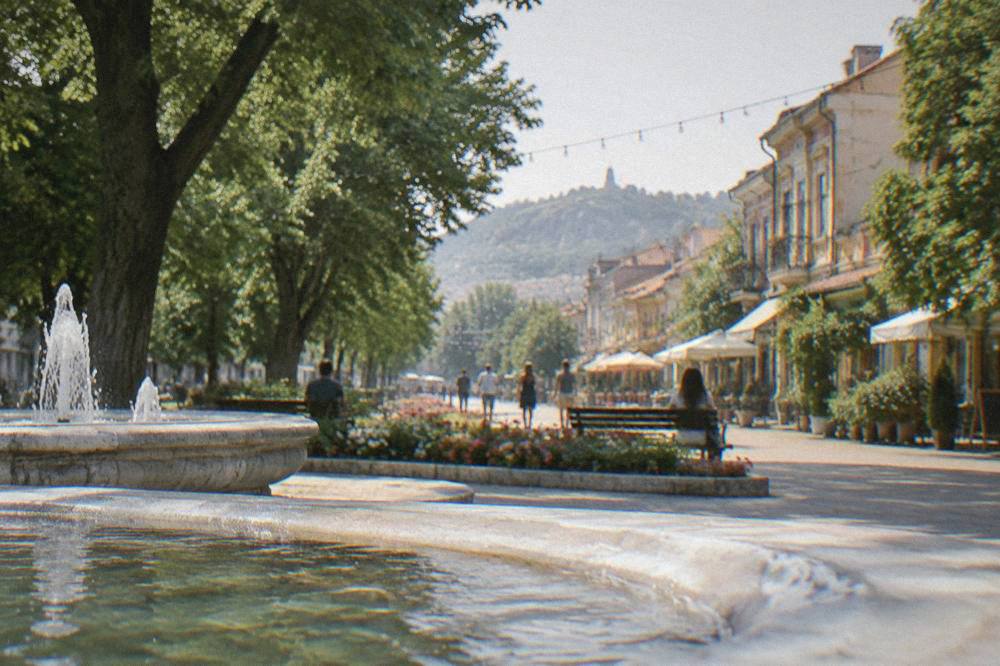
Kapana is entirely free to enter and wander: its name means "The Trap", a maze of narrow streets that is a public creative district, open at all hours and free of any gate or ticket, with murals, galleries, courtyards and small independent shops. Nothing about the district itself is ticketed, and the only money a visitor spends there is on coffee, food or objects they choose to buy.
The district was the artisans' quarter of Ottoman-era Plovdiv, and the city's regeneration work after the European Capital of Culture year in 2019, shared with Matera, turned it into the city's creative heart. Street art changes from year to year, so a walk there is never quite the same twice. Weekends bring occasional artisan markets reported in the late morning to early evening, though market days vary and should be confirmed locally.
Kapana also hosts Kapana Fest, whose autumn 2026 edition ran across two weekends, 2 to 4 and 9 to 11 October, at the Bridge over Gladstone Street and Central Square. Festival programmes of this kind are typically free to attend in public space, though individual performances can vary. The Plovdiv nightlife guide covers the district after dark, and the best restaurants in Plovdiv guide covers where to eat around it.
What Free Events Happen In Plovdiv Each Year?
Plovdiv's free annual events include the Kapana Fest street festival, the Old Town "Revived Heritage" festival days, which ran 16 to 23 September 2026 with free events, exhibitions and performances, and the open-air programme around the Christmas season in Central Square and Kapana. Opera Open at the Ancient Theatre, 23 June to 9 September in 2026, is ticketed, but the district festivals are staged in public space and cost nothing to walk into.
The Christmas programme is the other anchor of the free calendar. The 2025/26 edition ran from 28 November 2025 to 4 January 2026 in Central Square and Tsar Simeon Garden, and the announced 2026/27 edition, "Soul of Christmas", is listed for 1 December 2026 to 7 January 2027 in the Kapana and Central Square areas. Markets and lights of this kind are open public programming, though food and rides cost money.
| Event | Latest reported dates | Access |
|---|---|---|
| Kapana Fest, autumn | 2 to 4 and 9 to 11 October 2026 | Public space, free to attend |
| Revived Heritage, Old Town | 16 to 23 September 2026 | Free events listed |
| Christmas in Plovdiv 2025/26 | 28 Nov 2025 to 4 Jan 2026 | Open public programme |
| Soul of Christmas 2026/27 | 1 Dec 2026 to 7 Jan 2027 | Announced, open programme |
| Plovdiv Jazz Fest, fall | 6 to 8 November 2026 | Ticketed, listed for contrast |
Dates move year to year, and some festivals, including Night of Museums, may not have confirmed dates for 2027 yet, so watch the municipal listings before travelling for one event alone. The Plovdiv festivals and events guide keeps the full calendar.
Can You Visit The Dzhumaya Mosque And Churches For Free?
The Dzhumaya Mosque is free to visit, reported open to visitors from 6:00 to 23:00 as a working mosque, with modest dress expected and prayer times to be avoided, while Plovdiv's Orthodox churches, including the Cathedral of the Dormition and the Church of Saint Marina, are generally open to visitors at no charge as active places of worship.
The mosque is the second-largest in Bulgaria by built area, about 1,500 square metres, and sources give different periods for its construction, so no single year is reliable. Visitors should cover shoulders and knees, remove shoes and avoid the main Friday prayer around midday. Scarves and robes are often provided.
For the city's wider sacred architecture, the Plovdiv history guide sets the churches, mosque and synagogues in their historical context, and the Jewish heritage walking tour linked below covers a quarter of the city that group itineraries usually miss, with Check availability on the operator's live listing.
How Do You See Plovdiv Cheaply On A Rainy Day?
On a wet day the free options narrow to the covered public layer, the Dzhumaya Mosque, the 3D-free sphendone arcade, the covered lanes of Kapana and the central shopping spine of the Main Street, while the paid indoor museums start at a reported 3.07 to 5 euro, making a cheap rainy day entirely possible. Rainfall in Plovdiv averages 41.0 mm in January and 56.8 mm in May, the month with the highest total in the ERA5 reanalysis for 1991 to 2020, and 25.2 mm in August, the lowest.
The Main Street itself, a Roman street in origin, is a free wander with the stadium embedded beneath it. The Plovdiv in the rain guide pairs weather expectations with indoor alternatives, and the climate table there is drawn from the same ERA5 reanalysis, 1991 to 2020, a modelled grid rather than a station record.
| Rainy-day option | Cost | Notes |
|---|---|---|
| Main Street and sphendone arcade | Free | Partly covered walking spine |
| Dzhumaya Mosque | Free | Modest dress, avoid prayers |
| Kapana lanes and galleries | Free | Some courtyards sheltered |
| Ethnographic Museum | about 3.07 euro | Closed Monday |
| Regional History Museum, one site | 5 euro | Free first Thursday |
| Old Plovdiv house, one site | 3.58 euro | Report at the gate |
What Does A Free Day In Plovdiv Look Like?
A full free day in Plovdiv runs naturally from the Roman Stadium sphendone up the Main Street, through Hisar Kapia and the Old Town lanes to Nebet Tepe, down into Kapana for the afternoon and up Bunardzhik for sunset beside the Alyosha monument, with the Dzhumaya Mosque and the Central Square thrown in at no cost. Every step of that route is public space.
Prefer to have a local lead that whole day? Book a guided walking tour here.
Morning light suits the Old Town best, and the Ancient Theatre's exterior tiers are visible from the lanes above even without a ticket. Midday belongs to the Main Street, which follows the line of the ancient city, and to the mosque on the square beside it. Afternoon in Kapana needs no plan: the point of "The Trap" is getting a little lost in it. Evening on Bunardzhik closes the day with the whole city below.
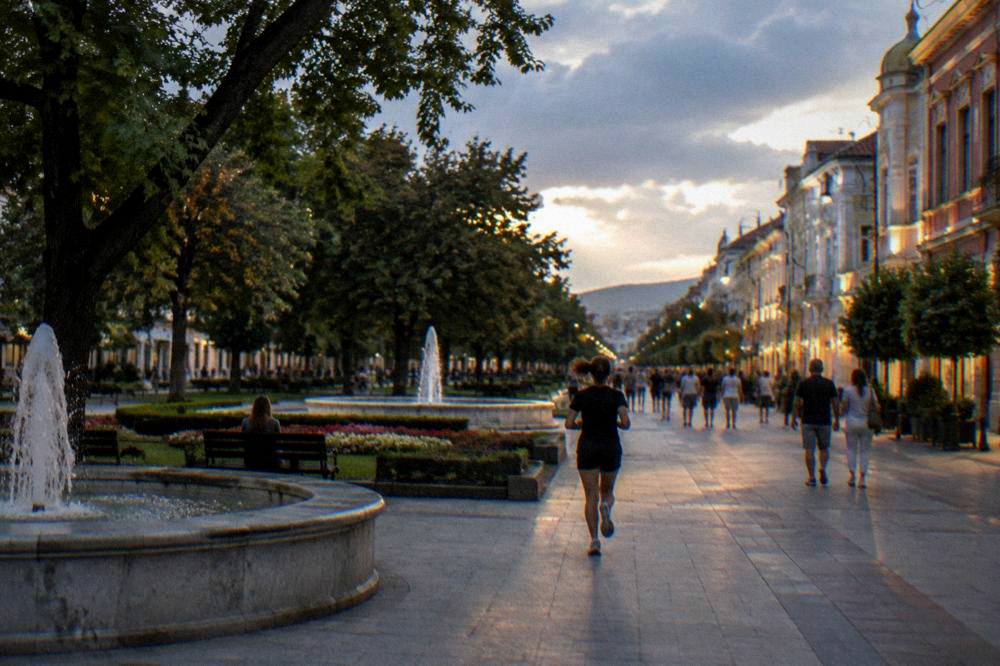
Walking is the only transport the day needs; the core is compact and flat between the hills. For anyone arriving from the capital, the Sofia to Plovdiv guide covers the direct trains, which run about 2 h 40 to 3 h 05, and for stretching the trip, the Bulgaria itinerary guide builds multi-day plans around the same free core.
What Small Costs Should You Still Expect In Plovdiv?
Expect small costs only for food, any ticketed house or museum you choose, and transport: a city bus e-ticket is 0.50 euro, an espresso runs around 2 euro per crowd-reported data, and a mid-range three-course meal for two is reported around 30 to 40 euro, while every sight on the free list above stays at zero.
No official Plovdiv city card exists, so discount promises of one should be ignored. Tipping around 10 percent in restaurants is the norm for good service. Emergency services dial 112, the EU-wide number.
The how expensive is Plovdiv guide and the money in Plovdiv guide take the budget picture further, and the what to eat in Plovdiv guide names the dishes worth spending those small euro on.
Common Questions About Free Things To Do In Plovdiv
Is the Old Town of Plovdiv free?
The streets, lanes and viewpoints of the Old Town are free public space. Only the individual museum houses inside it carry a ticket, reported at 3.58 euro per site for an adult, with a combined ticket of 10.74 euro covering up to five sites.
Is Nebet Tepe free to visit?
Yes. Nebet Tepe is an open-air archaeological complex with free access and no set visiting hours. Its restoration project was officially opened in March 2025.
Can you see the Roman Stadium for free in Plovdiv?
The northern curve, the sphendone, is visible in the open air without a ticket. Only the 3D projection hall beside it, reported at 3.68 euro for an adult, and the separate eastern sector are paid.
When are Plovdiv museums free?
The first Thursday of the month is free for everyone at the Regional History Museum, and free for students and seniors at the Old Plovdiv sites. Confirm at the desk, since rules can change.
Is Kapana free?
Yes. Kapana, whose name means "The Trap", is a public creative district of open narrow streets, free to wander at any hour. Only what you buy inside it costs money.
Is the Dzhumaya Mosque free to enter?
Yes, entry is free. It is a working mosque, so visitors should dress modestly, remove shoes and avoid prayer times, especially the main Friday prayer around midday.
Plovdiv rewards the visitor who spends nothing almost as generously as the one who buys every ticket, and the free layer of the city, its hills, lanes, stadium curve and gates, is the layer people remember longest.