Plovdiv In Summer: Heat And Evening Life
Plovdiv in summer is a city of shifted hours: Roman ruins visited in the morning, shaded lanes in the afternoon and squares that come alive after the heat breaks.
Short answer
Summer in Plovdiv, southern Bulgaria, means modelled mean daily highs of 28.2 C in July and 28.6 C in August, with August also the driest month in the ERA5 1991-2020 normals. The working pattern is early sightseeing, a long shaded midday and evenings at the Ancient Theatre, where the Opera Open festival ran 23 June to 9 September in 2026.
Plovdiv, in southern Bulgaria, is an inland city built around six hills, and in summer it behaves like one: the sun hits the open Roman stones by late morning, the narrow streets of the Old Town and Kapana hold shade through the afternoon, and the day's real social hours start only when the heat breaks. The ERA5 reanalysis for Plovdiv, 1991-2020, puts the modelled mean daily high at 28.2 C in July and 28.6 C in August, so the season is genuinely warm but not a furnace by Balkan standards. This guide lays out what the climate normals show, how to shape a summer day around them, which festivals fill the Ancient Theatre stage, and which day trips work when the city feels heavy.
How Hot Does Plovdiv Get In Summer?
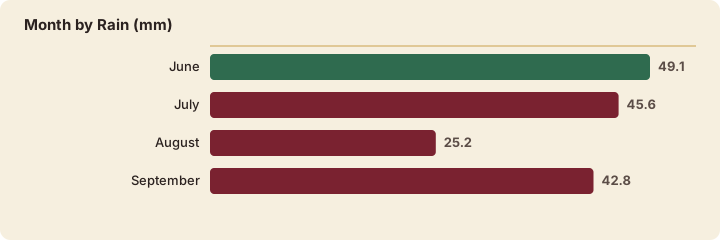
The ERA5 reanalysis for Plovdiv, 1991-2020, gives modelled mean daily highs of 25.9 C in June, 28.2 C in July and 28.6 C in August, with overnight lows of 15.4, 17.9 and 18.1 C respectively. Rainfall across the three months is moderate, and August is the driest month of the whole year in the normals at 25.2 mm, while May, at 56.8 mm, carries more rain than any summer month.
Those are modelled grid-cell values at about 182 m elevation near the Old Town, not a station record, and reanalysis smooths urban heat, so a stone square at 15:00 can feel well above the monthly mean. The pattern that matters for planning is the spread between night and day. A 17.9 C mean low in July means mornings that start cool enough for the steep cobbled climbs of the Old Town, and evenings that stay warm long after sunset. June sits a couple of degrees below July on the daily high and is the rainiest of the three summer months at 49.1 mm, usually arriving in short storms rather than all-day drizzle.
| Month | Mean Daily High (C) | Mean Daily Low (C) | Rain (mm) |
|---|---|---|---|
| June | 25.9 | 15.4 | 49.1 |
| July | 28.2 | 17.9 | 45.6 |
| August | 28.6 | 18.1 | 25.2 |
| September | 23.8 | 13.8 | 42.8 |
September is included because it behaves like a bonus summer month: the mean high eases to 23.8 C and the Opera Open season historically runs into its second week. For the full monthly table and how the shoulder seasons compare, see Plovdiv Weather And Climate and The Best Time To Visit Plovdiv.
Two cautions sit behind these numbers. The normals describe an average, not a forecast: any given July day can run several degrees above or below the mean high, and heat waves on the Balkan plain push well past it, so treat the table as a planning baseline rather than a promise. Equally, the same spread means the evenings need no more than a light layer even in the depths of the season, which is why outdoor performance culture works here at all. Cities on the same latitude without the hilltop evening breeze struggle to fill an open theatre all summer, and Plovdiv does it for a full calendar of nights.
How Should You Shape A Summer Day In Plovdiv?
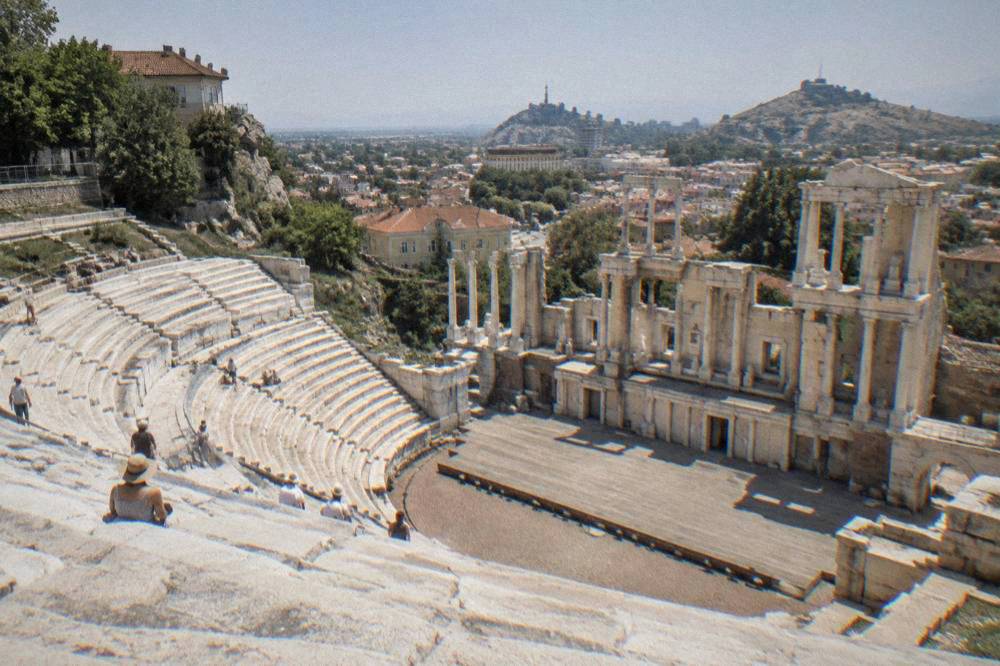
The workable summer rhythm in Plovdiv is Roman sites and hill climbs before about 11:00, shaded indoor or covered sightseeing plus a long lunch through the midday hours, and the city's squares, Kapana and the evening performance calendar after 18:00, when the Ancient Theatre reopens its gates for concerts and the light drops low enough for photographs.
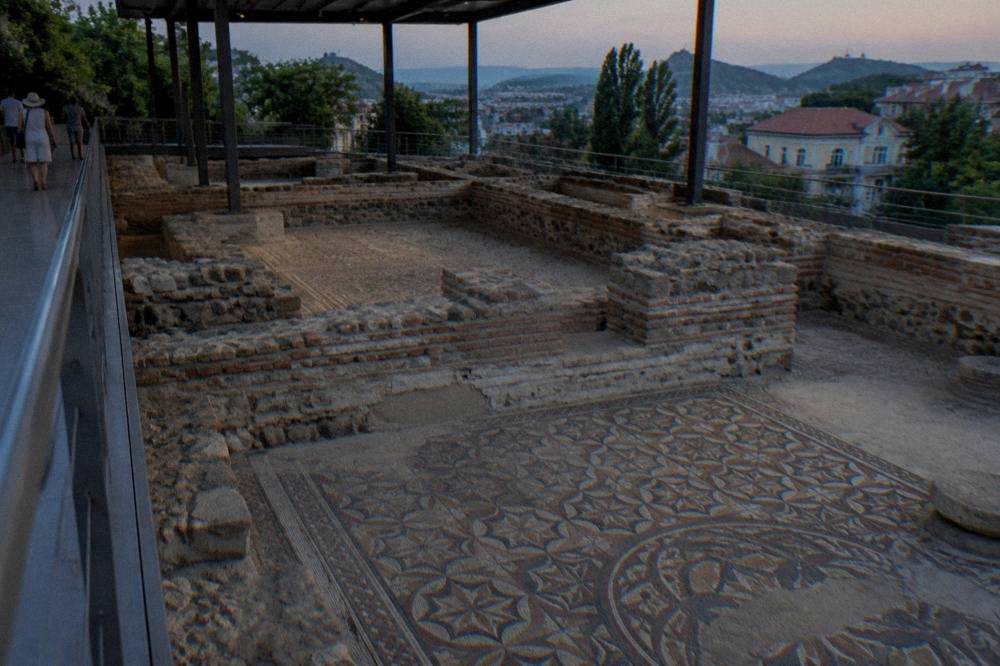
The morning slot matters more here than in cooler cities because the key open-air sites, the Ancient Theatre, Nebet Tepe and the Roman Stadium sphendone, have no shade of any consequence. The Old Plovdiv ticket page lists the Ancient Theatre as open daily in the April to October season from 9:30 to 18:00 with a lunch break from 12:30 to 13:00, so an early start also dodges the midday closure. Nebet Tepe is free, open-air and unrestricted since its restoration opened in March 2025, which makes it an easy first stop at 9:00 when the stones are still cool. The afternoon belongs to the covered sites: the Regional Archaeological Museum has been renewing its permanent exhibition since November 2025 with about 150 new exhibits, the Bishop's Basilica mosaics sit under a protective structure, and the Roman Stadium's 3D projection hall is indoors. Full sightseeing ideas live on Things To Do In Plovdiv.
The order matters too. Nebet Tepe first, while the stairs up the Three Hills are still in shadow and the viewpoint over the plain is haze-free. The Ancient Theatre sits a few minutes below the hill on the same slope, so the two pair naturally into a single early circuit. From the theatre, the descent through the Old Town lanes toward Hisar Kapia drops you into Kapana in time for a late breakfast or an early lunch, which is roughly the moment the modelled daily mean starts climbing toward its afternoon peak. Anyone planning multiple days in the city can alternate this rhythm with slower museum mornings, and the ready-made sequences on Plovdiv In Two Days and A Three Day Plovdiv Itinerary already assume summer hours.
What To Do In Plovdiv In Summer When The Heat Peaks?
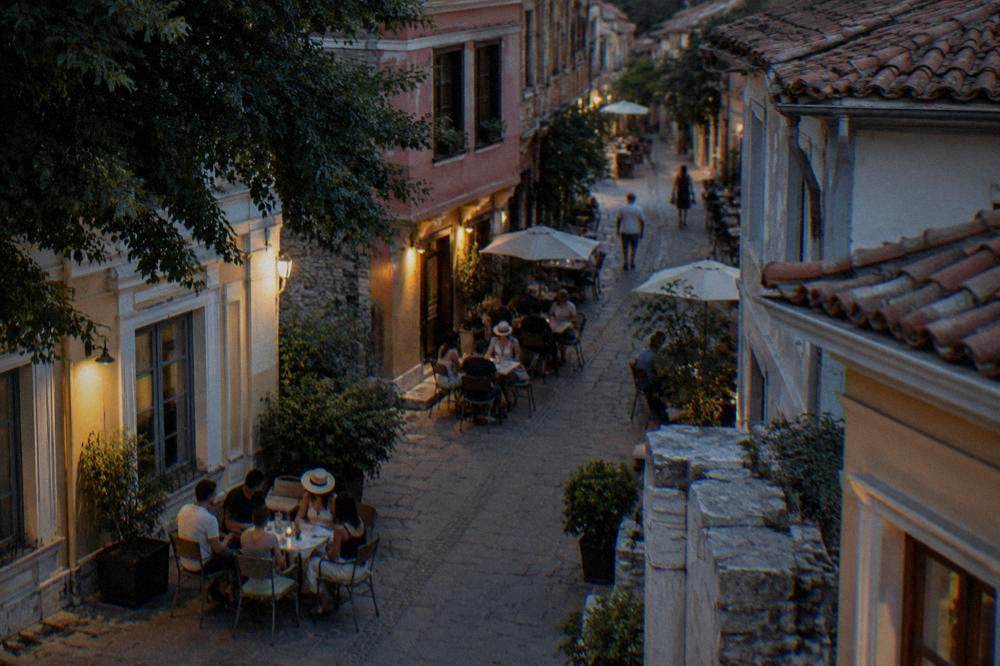
Between midday and late afternoon the best options in Plovdiv are the shaded Kapana district, which means "The Trap" and is a free maze of narrow streets, the indoor museums, a table in the Old Town's revival houses, or a short wine tasting in the city centre, followed by the hills and squares once the sun drops toward the horizon.
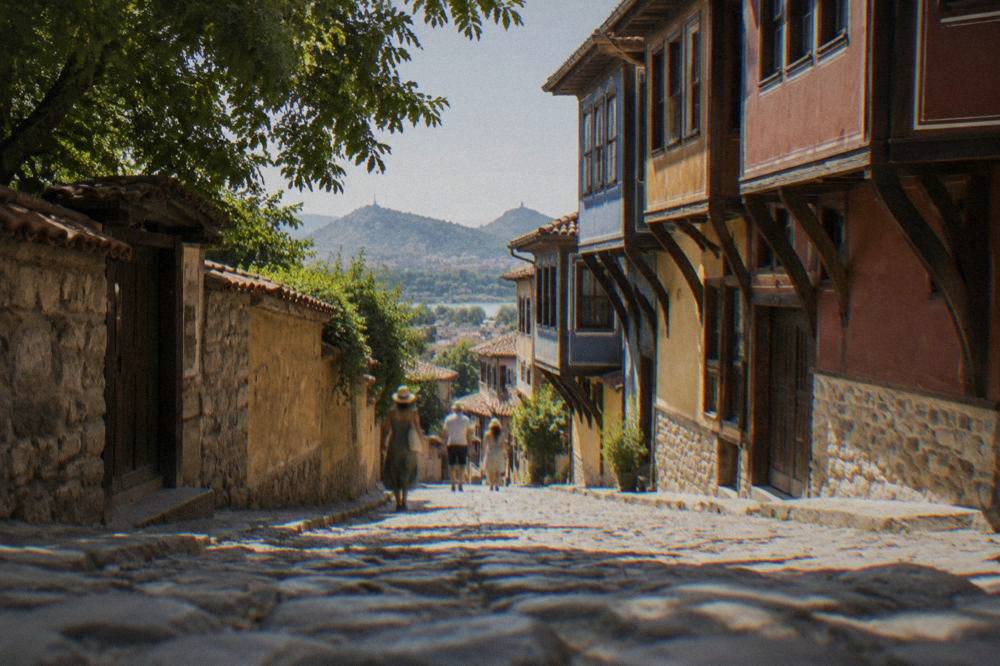
Kapana costs nothing and is open public streets, so it works in any heat: the lanes are narrow enough to hold shade through the middle of the day, and the district's creative character means galleries and studios sit alongside the cafes. The Old Town houses, Balabanov, Nedkovich and Lamartine among them, sit under heavy shutters and thick walls; the Old Plovdiv price list puts any single site at 3.58 euro for an adult. For a longer midday pause, the city's food scene leans on cold dishes that suit the season, tarator, a chilled yogurt and cucumber soup, and shopska salad with sirene cheese, described in more detail on What To Eat In Plovdiv and Bulgarian Food Basics.
A midday wine option that stays out of the sun entirely is a tasting built around Thracian Valley reds such as Mavrud and Rubin; the local wine tradition is covered on Bulgarian Wine In The Thracian Valley. A private tasting trip into the valley turns the dead hours into the highlight of the day: the wineries sit a short drive out of the city, the cellars are naturally cool, and a driver handles the return in time for an evening performance. The related tour on this page runs exactly that pattern, and the linked listing carries the current details. Summer opening times across the city shift with the season, and the Old Plovdiv houses vary in their Monday schedules, so check the ticket page before committing a precise afternoon plan.
One more midday habit worth borrowing from the city itself: the long lunch is not wasted time in Plovdiv, it is the mechanism that makes the late evening possible. Bulgarian dinner habits run later than many northern European visitors expect, and the squares only fill once offices close and the stones give up their heat.
Which Plovdiv Sights Are Free Or Shaded In Summer?
The free summer sights in Plovdiv are Nebet Tepe, the Roman Stadium sphendone, Hisar Kapia, Kapana and the Bunardzhik hill with the Alyosha monument, while the paid indoor or covered options include the Ancient Theatre at 3.58 euro, the Roman Stadium 3D hall at 3.68 euro, the Bishop's Basilica at 7.57 euro and the Regional History Museum sites from 5.00 euro, all per the official price pages.
The table below splits the core summer set by cost and by how much shade each offers at midday. Prices are the euro figures printed on the Old Plovdiv and museum price lists.
| Sight | Cost | Shade And Cover |
|---|---|---|
| Nebet Tepe | Free | Open hill, no shade, best before 11:00 or after 18:00 |
| Roman Stadium sphendone | Free | Partly below street level, short visit |
| Kapana | Free | Narrow lanes, good midday shade |
| Hisar Kapia | Free | Open landmark, best in evening light |
| Bunardzhik hill and Alyosha | Free | Park slopes, some tree shade |
| Ancient Theatre of Philippopolis | 3.58 euro adult | Open air, no shade, closed 12:30 to 13:00 |
| Roman Stadium 3D hall | 3.68 euro adult | Indoors, works at any hour |
| Bishop's Basilica | 7.57 euro adult | Mosaics under cover |
| Regional History Museum sites | From 5.00 euro | Indoors, free first Thursday of the month |
Two notes from the official pages: children under 7 and visitors with over 50% disability enter Old Plovdiv sites free, and the first Thursday of the month is free for students and seniors at Old Plovdiv sites and free to all at the Regional History Museum. More no-cost ideas are collected on Free Things To Do In Plovdiv.
For families, the same split applies with one addition: Tsar Simeon Garden gives the midday hours a green, partly shaded place to pause between sights, with its singing fountains on the lake, and it costs nothing to enter. The general sightseeing balance for travelling with children is laid out on Plovdiv With Kids.
What Is On Stage In Plovdiv In Summer?
The headline summer event in Plovdiv is Opera Open at the Ancient Theatre of Philippopolis, which ran from 23 June to 9 September in 2026 with opera and gala nights on the marble rows, followed by the autumn end of Kapana Fest on 2 to 4 and 9 to 11 October 2026 and the Plovdiv Jazz Fest fall edition on 6 to 8 November 2026.
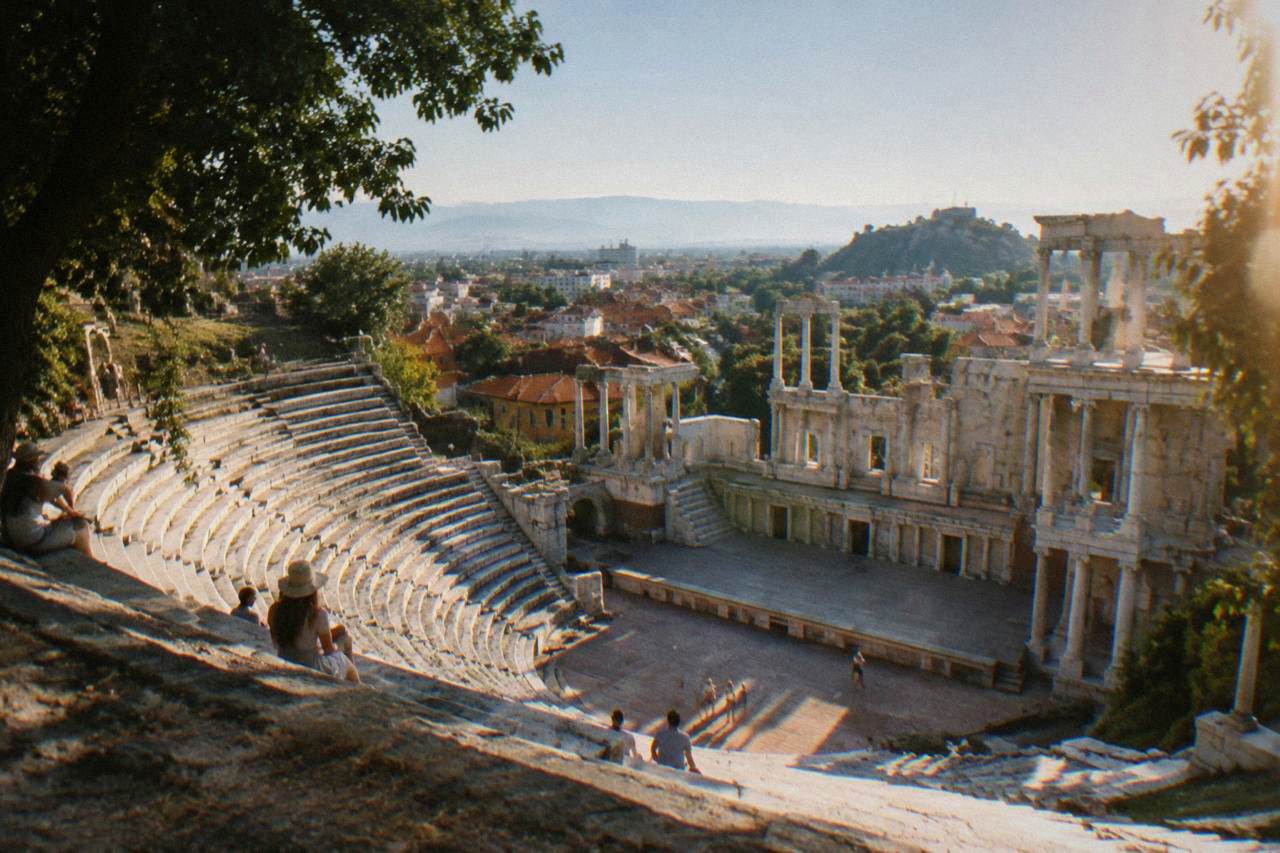
Opera Open is the reason many travellers time a summer trip at all: the Ancient Theatre, built in the 90s of the 1st century AD with 28 concentric rows of marble seats, is a working performance venue in the warm months, and the municipal events calendar lists individual nights from a June gala through Carmina Burana and Nabucco to a September close. Ticketing and the exact programme are published on the festival's own channels, so check the current season listing before locking travel dates. Kapana Fest moves the party into the creative district and Central Square, and the jazz fest extends the music calendar deep past the summer. The full calendar, including the Christmas season that closes the year, sits on Plovdiv Festivals And Events.
| Event | 2026 Dates | Setting |
|---|---|---|
| Opera Open | 23 June to 9 September | Ancient Theatre of Philippopolis |
| Old Town "Revived Heritage" festival days | 16 to 23 September | Old Town houses and streets |
| Kapana Fest, autumn edition | 2 to 4 and 9 to 11 October | Kapana and Central Square |
| Plovdiv Jazz Fest, fall edition | 6 to 8 November | Boris Hristov House of Culture |
One practical note on performance nights: the theatre closes its daytime visiting hours early on some event evenings to prepare the stage, so if a concert falls on your sightseeing day, visit the marble rows in the morning and come back for the show. The theatre's daytime ticket and the evening performance ticket are separate products sold through separate channels. The wider set of guides lives on Plovdiv Travel Guide.
How Does Plovdiv Feel After Sunset In Summer?
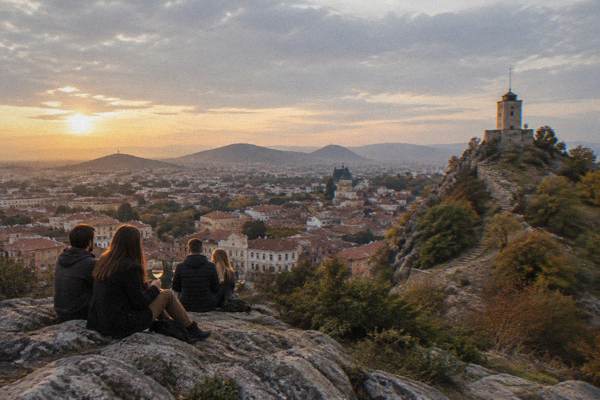
Plovdiv's summer evenings run warm and late, with a July mean overnight low of 17.9 C in the ERA5 1991-2020 normals, and the city answers with lit Roman ruins, outdoor tables in Kapana and around the Central Square area, and hill viewpoints that stay comfortably visitable until dark.
This is the part of the day the city is built for. The Ancient Theatre glows under floodlight on performance nights, the Roman Stadium sphendone sits level with the evening promenade on the Main Street, and Hisar Kapia frames lit Old Town facades. The squares and ruins in artificial light are the core of the after-dark scene; opening times for individual venues change with the season and should be checked on the spot. Crowd data on prices puts an espresso and a half-litre of draught beer each at around 2 euro, attributed to Numbeo's reported averages for 2026 rather than any official tariff. The bar and club layer of the city, with its unverified addresses, is described in general terms on Plovdiv Nightlife and Plovdiv At Night.
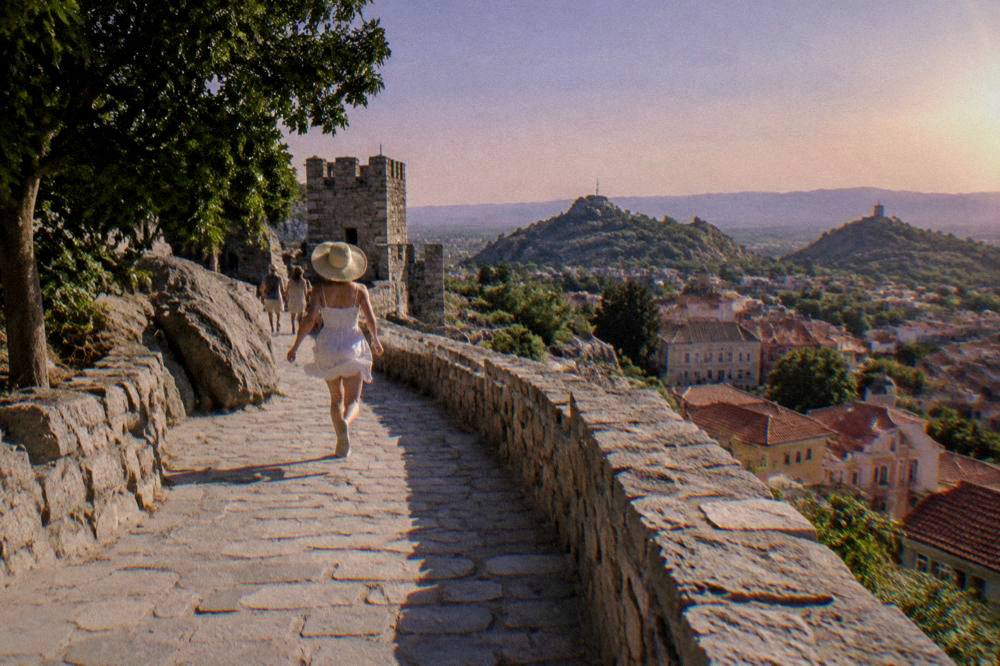
Sunset itself deserves a slot in the plan. The viewpoints on Nebet Tepe and the youth hill side look west over the Thracian plain, and in midsummer the light lingers well past 21:00, which leaves a generous window between the end of the working day and the start of any performance. Photographers plan whole trips around this hour, and the angles are catalogued on Plovdiv Photography Spots.
Which Day Trips From Plovdiv Work Best In Summer?
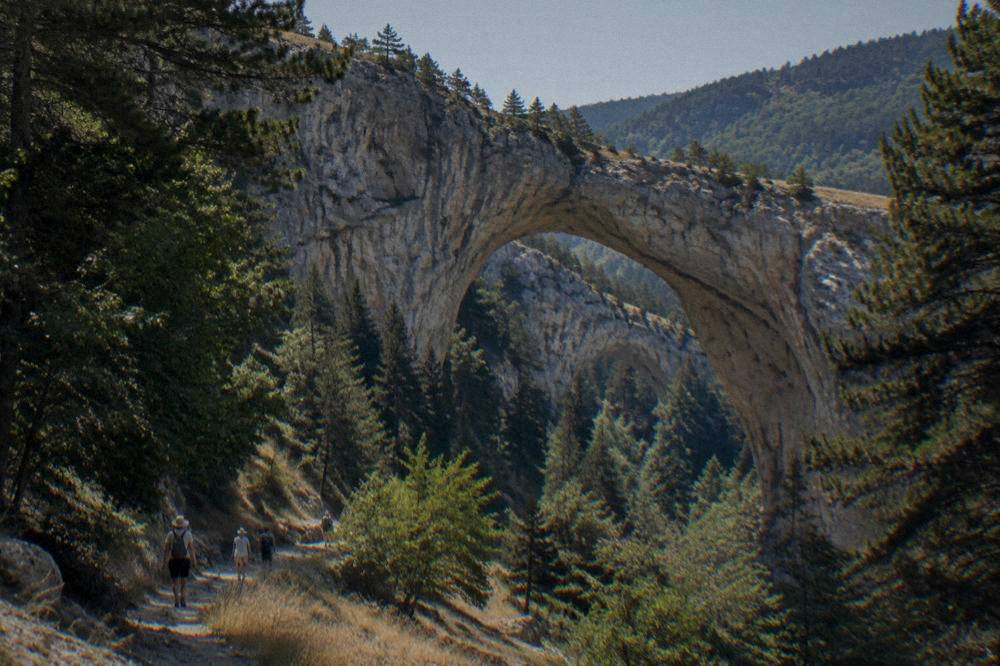
The summer day trips that fit Plovdiv's season are the Rhodope mountains to the south, where the Wonderful Bridges and the villages sit higher and cooler, the Thracian Valley wineries within a short drive, and Bachkovo Monastery with Asen's Fortress near Asenovgrad, reached by minibus from the Rodopi bus station in 35 to 45 minutes.
The logic is altitude. The Rhodopes rise quickly south of the city, and a day spent at the Wonderful Bridges or around Smolyan and Pamporovo trades the 28 C city for mountain air, with local food traditions of the kind a small-group cuisine tour can fold in. Bachkovo Monastery, a working monastery with free entry, is close enough for a half day and pairs naturally with Asen's Fortress above Asenovgrad, whose entry fee is unclear in current sources, so confirm locally. Koprivshtitsa, with its six house museums on a combined ticket of about 10 euro, makes a full-day history trip. The details for each are on Wonderful Bridges In The Rhodopes, Bachkovo Monastery and Koprivshtitsa.
The caves of the Trigrad area and the Devil's Throat push the day trip into a longer expedition, best kept for travellers with a car or a booked tour, since public transport south of Smolyan thins out. The wider mountain context, including the hot-spring town of Hisarya on the northern side of the plain, is laid out on The Rhodope Mountains From Plovdiv and Hisarya And Its Roman Walls.
What Should You Pack And Know For A Plovdiv Summer?
Pack for a Plovdiv summer as you would for any hot inland Balkan city: sun protection and water for the exposed Roman sites, shoes with grip for the cobbled and steep Old Town lanes, a light layer for concert evenings on the marble rows, and modest cover for the Dzhumaya Mosque, which is free to visit outside prayer times and asks for shoulders and knees covered.
A few practical points with the summer angle attached. Bulgaria is a full Schengen member since 1 January 2025, and the Entry/Exit System registers biometrics at external borders since 10 April 2026. The city bus e-ticket is 0.50 euro. A tourist tax may be charged by your accommodation and its exact rate is not published as a single official figure, so confirm at booking. Emergency calls go to 112. Getting there and around is covered in depth on How To Get To Plovdiv, Sofia To Plovdiv By Train And Bus and Getting Around Plovdiv.
| Summer Situation | Details |
|---|---|
| Midday on Nebet Tepe or the theatre rows | No shade, go early or late in the day |
| Long concert evening at the Ancient Theatre | July mean low 17.9 C, bring a light layer |
| Mosque visit | Free, modest dress, avoid prayer times |
| Paying | Euro only since 1 January 2026 |
| City bus | 0.50 euro e-ticket |
| Emergency | 112, free, EU-wide |
| Accommodation tax | Charged per night, confirm the rate at booking |
Summer arrivals have two main gateways. Sofia Airport connects to the capital's central station, from which direct BDZ trains cover the line to Plovdiv in about 2 h 40 to 3 h 05, with the timetable published on the BDZ site. Plovdiv's own airport at Krumovo keeps a small, seasonal route list centred on London and a handful of other cities, and its shuttle and taxi options into the centre are summarised on Plovdiv Airport And Its Routes. Where to base yourself once you arrive, including which neighbourhoods put the evening squares within a short walk, is covered on Where To Stay In Plovdiv.
Once you know when and how you're arriving, book a hotel room here.
Common Questions About Summer In Plovdiv
Is Plovdiv too hot in summer?
The ERA5 reanalysis for Plovdiv, 1991-2020, gives modelled mean daily highs of 28.2 C in July and 28.6 C in August, with overnight lows near 18 C. That is warm but manageable if sightseeing shifts to mornings and evenings, and the shaded lanes and indoor museums cover the midday hours.
Is August a good time to visit Plovdiv?
August has the highest mean daily high of the year in the normals at 28.6 C and the lowest monthly rainfall at 25.2 mm, and the Opera Open season at the Ancient Theatre ran through 9 September in 2026, so the evenings are busy while the days are dry.
What should you wear in Plovdiv in summer?
Light clothing, sun protection and shoes with grip for the cobbled, steep Old Town streets, plus a layer for open-air evenings. Bring modest cover if you plan to visit the Dzhumaya Mosque, which asks for shoulders and knees covered.
Are Plovdiv's Roman sites open in summer?
Yes. The Old Plovdiv ticket page lists the Ancient Theatre daily from 9:30 to 18:00 in the April to October season with a lunch break from 12:30 to 13:00, and the Bishop's Basilica is open daily year round. Check the current page for any event-day changes at the theatre.
Does it rain in Plovdiv in summer?
The normals give 49.1 mm in June, 45.6 mm in July and 25.2 mm in August, ERA5 reanalysis 1991-2020, so summer rain is occasional rather than constant, and August is the driest month of the year.
Where can you cool down in Plovdiv on a hot afternoon?
The Kapana lanes hold shade, the Roman Stadium 3D hall and the city's museums are indoors, the Bishop's Basilica mosaics sit under cover, and the Rhodope day trips to the south gain altitude quickly. Water and a slow lunch do the rest.
Summer in Plovdiv rewards travellers who treat the heat as a schedule rather than an obstacle: give the marble and the hills to the morning, the shade and the wine to the middle of the day, and the stage-lit theatre to the night.