Knyaz Alexander I Street And The Pedestrian Centre
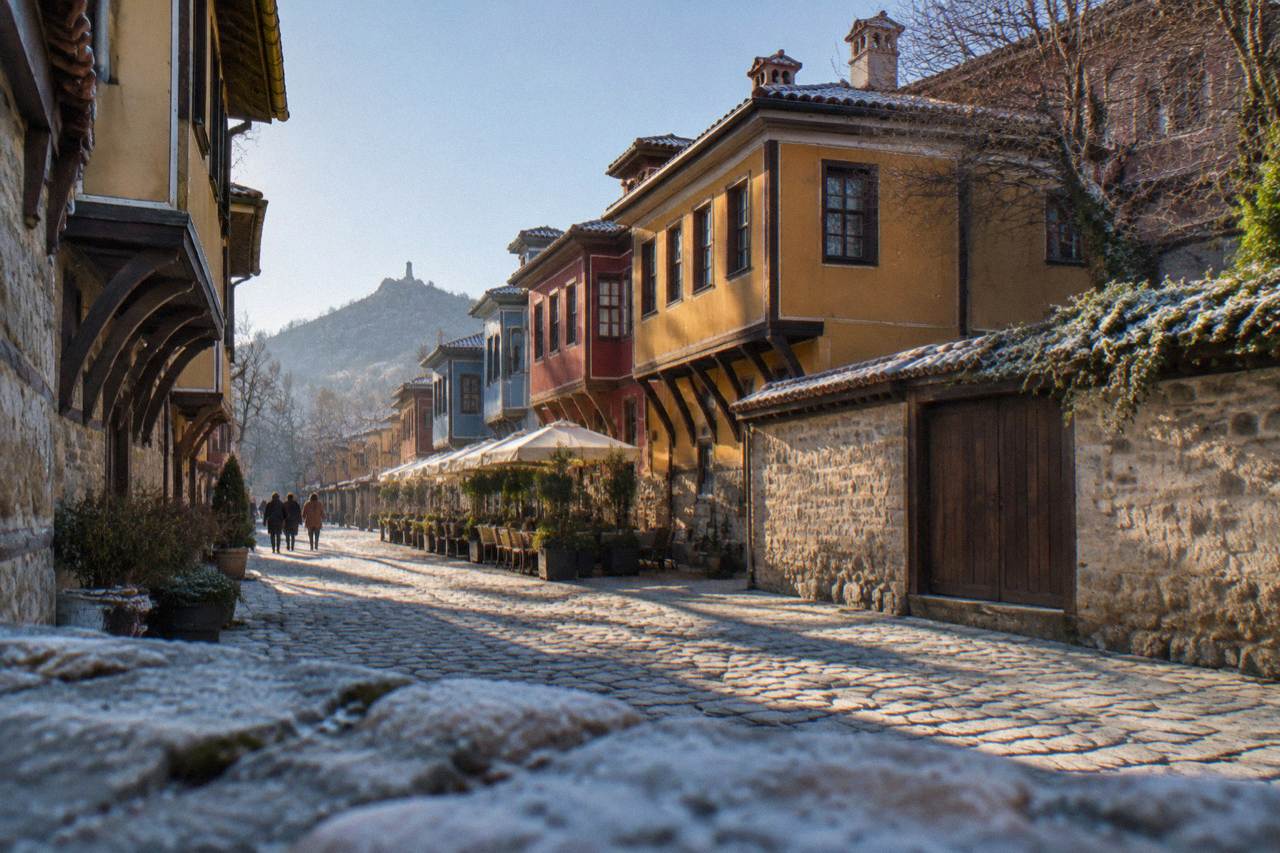
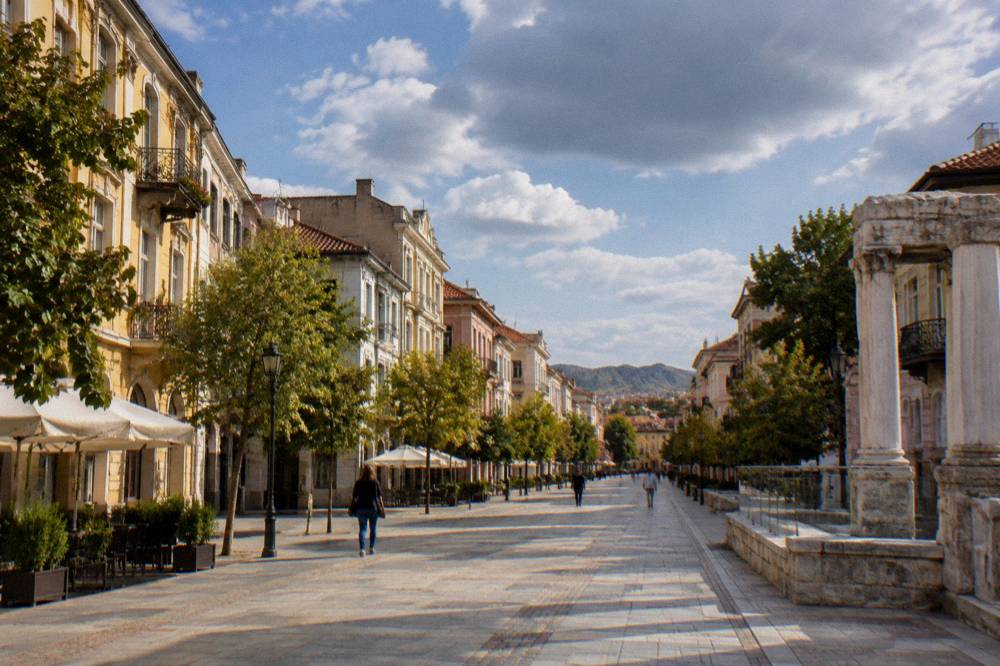
Plovdiv Main Street, Knyaz Alexander I, is the pedestrian spine of Bulgaria's second city, running from the Central Square past the Roman Stadium and the Dzhumaya Mosque up towards the Old Town.
Short answer
Plovdiv Main Street is the pedestrian Knyaz Alexander I Street in central Plovdiv, about a 15-minute flat walk end to end, linking Central Square, the Roman Stadium sphendone, Dzhumaya Mosque, Hisar Kapia and the Old Town, with free street-level sights and paid museum sites at either end.
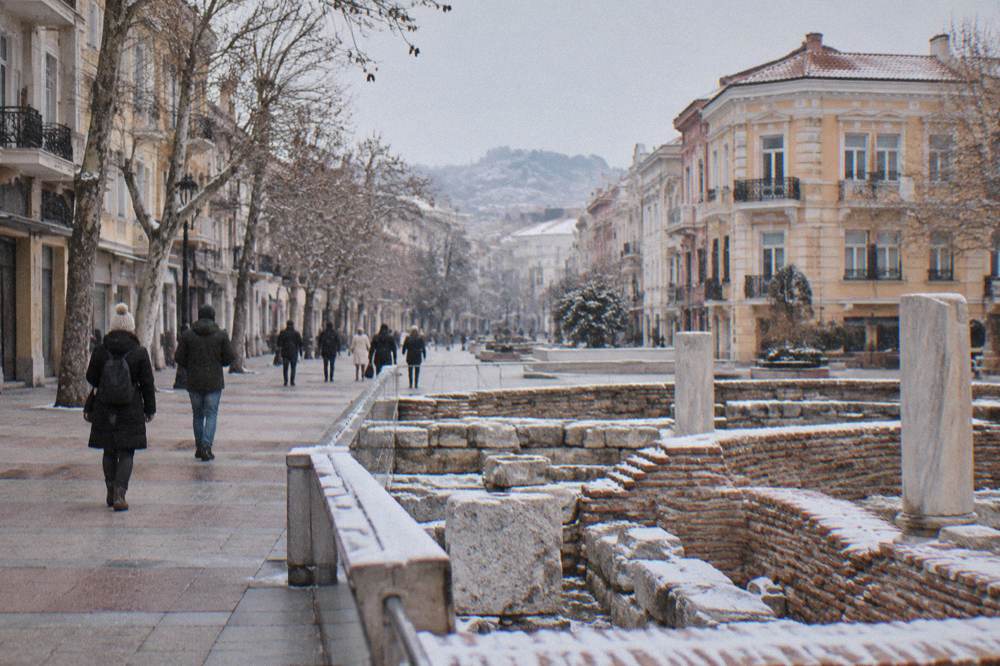
Plovdiv Main Street, formally Knyaz Alexander I Street, is the pedestrian spine of Plovdiv, an inland city in southern Bulgaria built around six hills and often described as one of the oldest continuously inhabited cities in Europe. The street runs flat and traffic-free through the modern centre, from Central Square at its southern end up towards Hisar Kapia and the Old Town, and for its whole length it sits on top of, beside and occasionally in front of Roman Philippopolis. The northern curve of the Roman Stadium breaks through the paving mid-street, the Dzhumaya Mosque stands opposite it, and the whole stretch is free to walk at any hour. This page sets out what the street contains, what each sight costs and when to go.
What Is Plovdiv Main Street And Where Does It Run In Plovdiv?
Knyaz Alexander I Street is the main pedestrian street of Plovdiv, running roughly north to south through the modern city centre, from Central Square past the Roman Stadium remains and the Dzhumaya Mosque up to Hisar Kapia, the gateway into the Old Town. It is fully pedestrianised, flat, and open at all hours with no ticket and no vehicle traffic, and the municipal tourism material treats it as the axis that connects the commercial centre with the historic core. Everything on it is within short, level walking distance, and the Three Hills of the Old Town rise visibly at its southern end.
The street is less a single attraction than a chain of them. At the bottom sits Central Square, which hosted the Christmas in Plovdiv market from 28 November 2025 to 4 January 2026 and is set to host the 2026/27 edition, billed as "Soul of Christmas", from 1 December 2026 to 7 January 2027. A few minutes up the street, the excavated northern curve of the Roman Stadium surfaces beside the shops. Opposite it stands the Dzhumaya Mosque, a working mosque and the second-largest in Bulgaria by built area at about 1,500 square metres, according to the city's own sightseeing page. From there the street narrows towards Hisar Kapia and the Old Town begins.
A useful mental map is three zones: the square and shopping stretch, the Roman and mosque stretch, and the approach to the Old Town. The whole walk is level until the very end, where the ground starts to climb towards the Old Town's cobbled lanes and the Three Hills. Visitors with limited mobility will find the pedestrian street itself the easiest part of central Plovdiv; the Old Town cobblestones above Hisar Kapia are steeper and less even.
What Can You See Along Plovdiv Main Street?
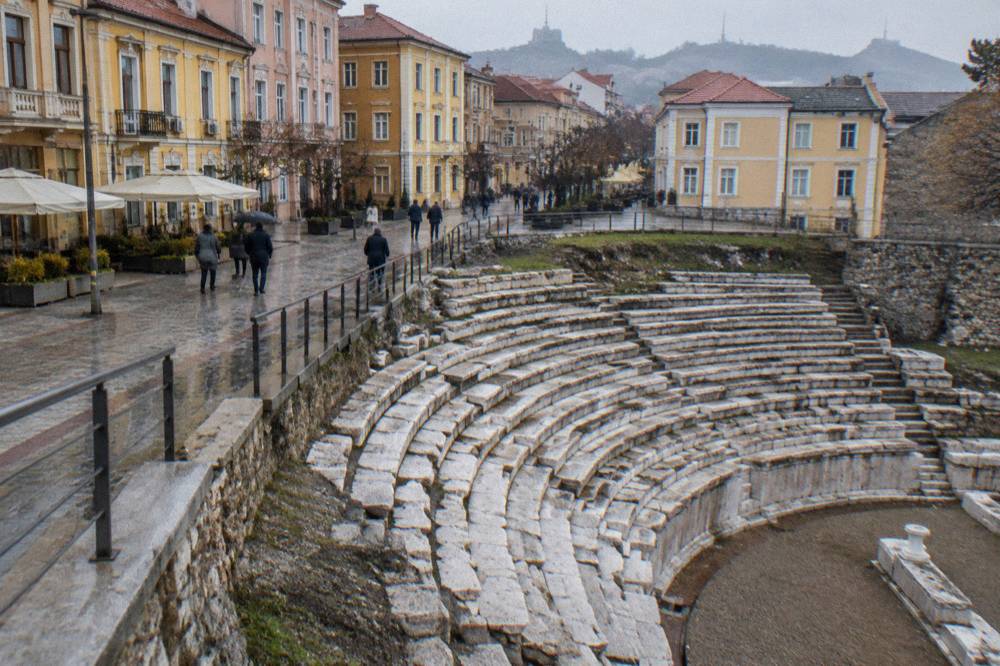
The street's headline sights are the Roman Stadium sphendone, visible free from street level, the Dzhumaya Mosque opposite it, also free to visit outside prayer times, and Hisar Kapia at the top, with the Old Town houses, Nebet Tepe and the Ancient Theatre all within a short uphill walk of the street's southern end. The Roman Stadium's northern part, the sphendone, was unearthed in the 1970s and is the only accessible portion, the rest still lies beneath the modern Main Street, as the Old Plovdiv institute's site states. The stadium was built in the 2nd century AD on the model of the Stadium at Delphi and held up to 30,000 spectators.
Each sight carries a different kind of interest. The stadium sphendone can be viewed free from above at street level; the paid options are the 3D projection hall, at 3.68 euro for an adult, and the Eastern sector, with a combined Eastern sector plus 3D hall ticket at 5.11 euro, per the Old Plovdiv ticket page. The Dzhumaya Mosque is open to visits from 6:00 to 23:00, free, with modest dress expected: shoulders and knees covered, shoes off inside, and the main Friday prayer around midday best avoided. No single construction year can be given, the city's own page notes that its sources range across late medieval and early Ottoman centuries. Hisar Kapia, the old gate, is a public landmark with no ticket and no closing time.
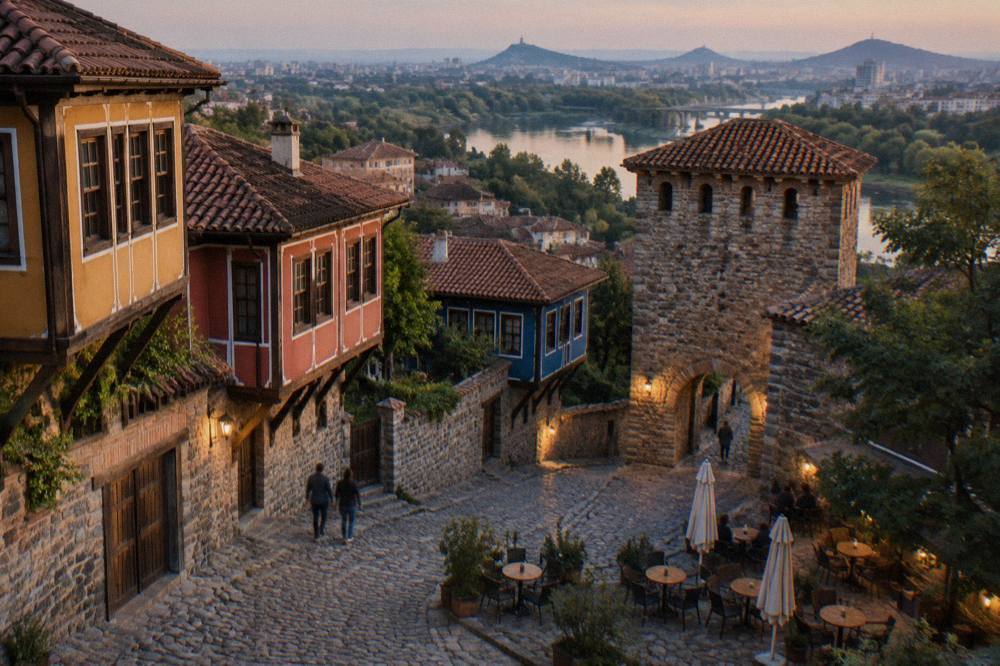
Above Hisar Kapia the tone changes fast. The Old Town's revival houses, including Balabanov House and the Ethnographic Museum, sit on steep cobbled lanes, and the free open-air complex of Nebet Tepe looks back over the whole centre. For a full route that strings the Main Street, the Old Town and the hills into one day, see Plovdiv In One Day or the longer Plovdiv In Two Days.
| Sight on or beside Main Street | What it is | Entry |
|---|---|---|
| Central Square | Event space, Christmas market site | Free, open air |
| Roman Stadium sphendone | Accessible northern curve of a 2nd-century AD stadium | Free from street level |
| Roman Stadium 3D hall | Projection hall under street level | 3.68 euro adult, 1.23 euro student |
| Roman Stadium Eastern sector + 3D | Excavated sector combined ticket | 5.11 euro adult |
| Dzhumaya Mosque | Working mosque, about 1,500 sq m | Free, modest dress |
| Hisar Kapia | Ottoman-era gate into the Old Town | Free, always open |
What Does A Visit To Plovdiv Main Street Cost?
The street itself costs nothing: the sphendone viewing, the mosque, Hisar Kapia and Kapana are all free, and the only fixed costs are the optional Roman Stadium 3D hall at 3.68 euro, the Old Plovdiv one-site ticket at 3.58 euro per site, the combined five-site ticket at 10.74 euro, and the Bishop's Basilica at 7.57 euro, all per the Old Plovdiv ticket page. Coffee and beer near the street run at around 2 euro each according to crowd-reported price data, and the city bus e-ticket is 0.50 euro. Bulgaria has used the euro since 1 January 2026, so no currency other than the euro needs to be handled.
The ticket structure rewards planning. One Old Plovdiv site, the Ancient Theatre, the Small Basilica or one of the revival houses, costs 3.58 euro for an adult, with pupils and students at 1.53 euro and a family ticket at 7.16 euro. The combined ticket covering up to five sites, excluding the Small Basilica and the Bishop's Basilica, is 10.74 euro for an adult. The validity period of the combined ticket is not stated on the official page, so confirm it at the desk when buying. Children under 7 and visitors with more than 50% disability enter free, and the first Thursday of the month is free for students and seniors at Old Plovdiv sites.
| Ticket | Adult | Student | Notes |
|---|---|---|---|
| One Old Plovdiv site | 3.58 euro | 1.53 euro | Theatre, Small Basilica or houses |
| Combined, up to 5 sites | 10.74 euro | 4.09 euro | Excludes both basilicas |
| Bishop's Basilica | 7.57 euro | 3.58 euro | Priced separately, daily 9:00 to 18:00 |
| Roman Stadium 3D hall | 3.68 euro | 1.23 euro | Same hours as the Theatre |
| Stadium Eastern + 3D | 5.11 euro | 2.05 euro | Combined option |
A few practical notes keep the budget honest. A tourist tax may be charged by your accommodation, but its 2026 euro rate is not published in the municipal material, so confirm at booking rather than assuming a figure. Tipping in restaurants runs to about 10% for good service, or simply rounding up, which is the local norm. The Regional History Museum is free the first Thursday of the month, and the Regional Archaeological Museum and the Ethnographic Museum are closed on Mondays, worth knowing if a museum day is on your list.
Sorting out where to sleep along this stretch. Book a hotel in central Plovdiv here.
Where Does Plovdiv Main Street Meet Kapana And The Old Town?
At its southern end the street splits the two historic quarters that frame it: Hisar Kapia leads directly into Old Plovdiv, and a short side lane drops into Kapana, the creative district whose name means "The Trap", a maze of narrow streets that is free and open at all hours. The municipal tourism site gives the meaning of the name, and the district's tangle is genuinely easy to lose a direction in, which is the point of it. Kapana holds the artisan and creative life of the centre, small studios and eateries, and it hosted the autumn Kapana Fest on 2 to 4 and 9 to 11 October 2026 at the Bridge over Gladstone Street and Central Square.
The Old Town side is the monumental one. Through Hisar Kapia the revival houses rise, the Ancient Theatre of Philippopolis sits in the hillside with its 28 concentric rows of marble seats, and Nebet Tepe, free since its restoration opened in March 2025, gives the widest view over the whole alignment of the street below. The theatre is open daily, 9:30 to 18:00 from April to October and 9:00 to 17:30 from November to March, with a lunch break at 12:30. It was built in the 90s of the 1st century AD and still hosts performance: the Opera Open festival ran there from 23 June to 9 September 2026.
Neither quarter needs a booking to enter. Both are public street networks. What deserves advance planning is timing: the theatre's summer evenings fill with ticketed events, and Kapana's festival weekends draw crowds to the bridge area. For the layout of each quarter in detail, see the dedicated pages on Kapana and Old Town, or the wider Plovdiv Itinerary for how they fit a longer stay.
When Is The Best Time Of Day To Walk Plovdiv Main Street?
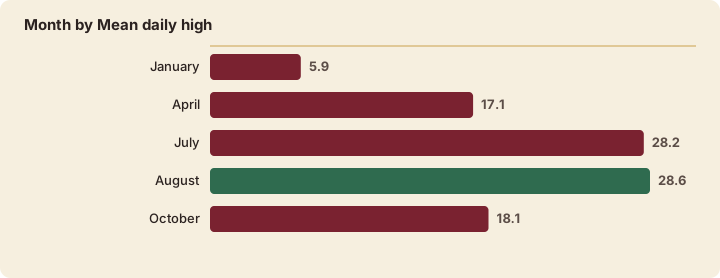
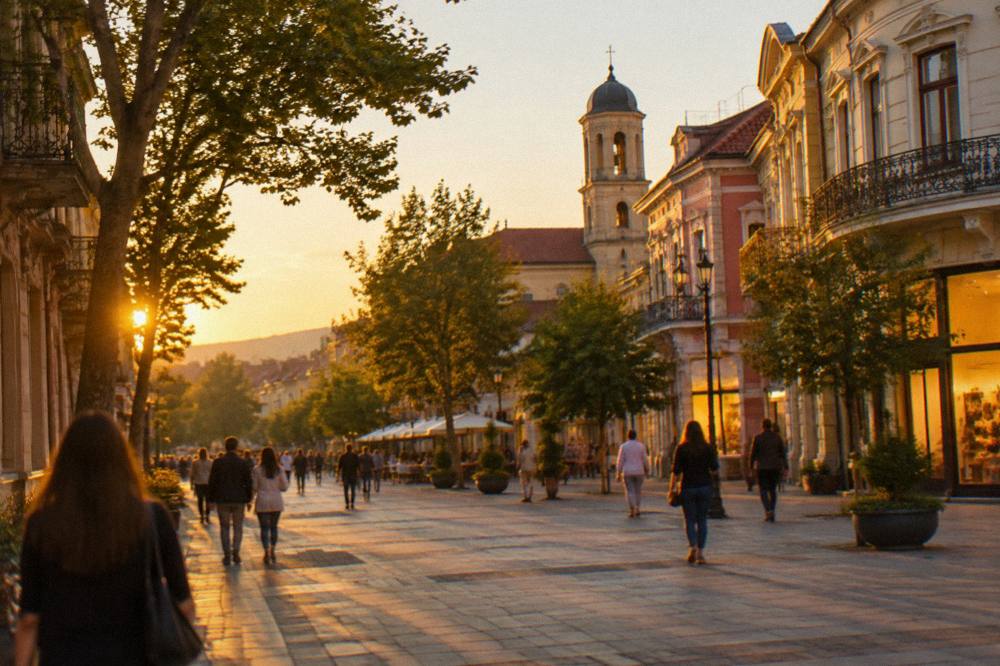
Morning, from opening at 9:30 in summer season, is the quiet window for the paid sites along the street, while early evening is when the pedestrian stretch itself fills, cafes put tables out and the light comes down the street low over the Three Hills. The ERA5 reanalysis, 1991-2020, puts the mean daily high at 28.6 C in August and 5.9 C in January, so in midsummer the shaded morning hours and the evening are the comfortable walking windows, and in winter the street is fully walkable but cold, with a mean daily low of minus 2.6 C in January.
Rain matters less on this route than on a hill route. May carries the highest monthly rainfall in the normals at 56.8 mm and August the lowest at 25.2 mm, but the street's paid interiors, the 3D hall, the mosque, the basilica and the museums, give wet-hour alternatives that the open hilltops do not. The Alyosha monument and Bunardzhik hill sit a short way west of the street's midpoint and make a good add-on in clear weather.
| Month | Mean daily high | Mean daily low | Rain |
|---|---|---|---|
| January | 5.9 C | -2.6 C | 41.0 mm |
| April | 17.1 C | 6.4 C | 47.7 mm |
| July | 28.2 C | 17.9 C | 45.6 mm |
| August | 28.6 C | 18.1 C | 25.2 mm |
| October | 18.1 C | 8.8 C | 44.1 mm |
Seasonal events reshape the street twice a year. The Christmas market occupied Central Square from late November 2025 into early January 2026, and the next edition runs 1 December 2026 to 7 January 2027 across Kapana and Central Square. In September the Old Town festival days billed as "Revived Heritage" ran 16 to 23 September 2026 with free events. If your dates are fixed around a festival, book the walking-adjacent sights early in the day and leave the street itself for the evening.
What Should You Eat And Drink Near Plovdiv Main Street?
The classic centre food run is a coffee or a banitsa breakfast on the pedestrian street, a shopska salad or grill lunch in Kapana a lane off it, and an evening drink back on the main stretch, with crowd-reported prices around 2 euro for an espresso or cappuccino and around 2 euro for a half-litre of draught beer, and a mid-range three-course dinner for two reported around 30 to 40 euro. Those figures come from crowd-reported price data, not an official tariff, so treat them as planning ranges and check the menu at the door. Bulgarian wine and rakia are the local pours, and Bulgarian wine made from the Thracian Valley's Mavrud and Rubin grapes is widely poured in the centre.
The dishes to look for are the standards of the national table: shopska salad, tomatoes, cucumbers, peppers and sirene cheese; banitsa, the cheese filo pastry that anchors breakfast; kavarma, a clay-pot stew; kebapche and kyufte grilled minced meat; and tarator, the cold yogurt and cucumber soup of summer. The street food and broader Bulgarian food pages break these down dish by dish, and the cafes page covers the coffee culture of the centre.
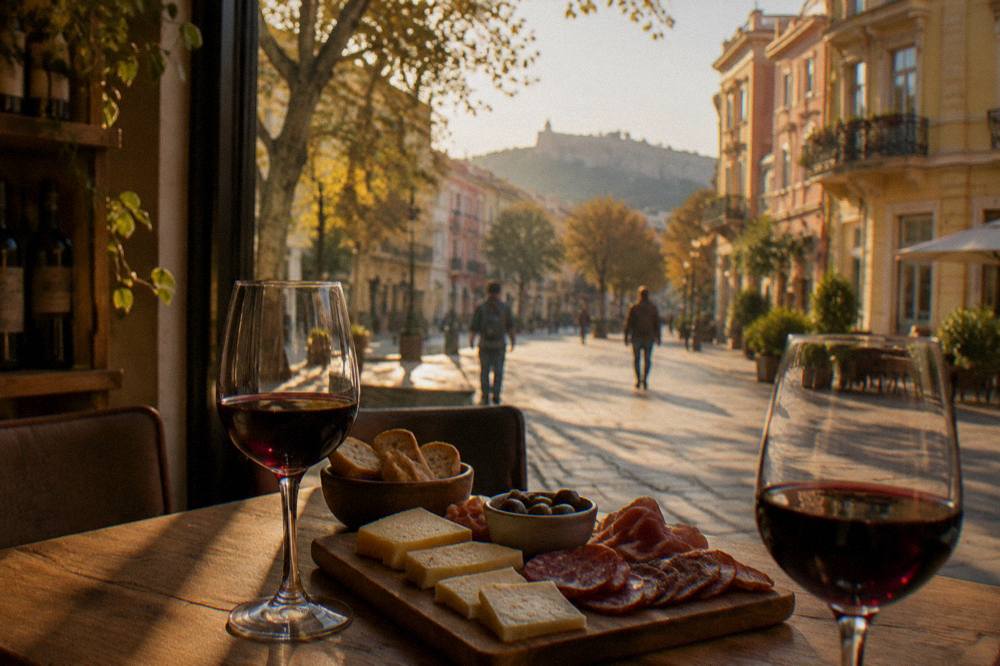
A guided tasting is one way to convert the centre's wine list into context. A structured tasting with cheese and cured meats, or a short guided tasting experience in the centre itself, both sit within a few minutes' walk of the Roman Stadium, which makes them an easy late-afternoon stop between the Old Town and dinner. Availability and prices are on each operator's live listing, so check there rather than relying on a printed figure.
Can You Join A Guided Walk Around Plovdiv City Centre?
Yes: several guided walking tours operate in central Plovdiv, including a classic city walk covering the Old Town and Roman landmarks, an Old Town walk with a rakia tasting, a themed Jewish heritage walk through the centre's streets, and tip-based walks that run locally with payment to the guide, confirmable with the guide directly. The themed walks matter on this street more than elsewhere, because the centre's layered history, Roman, Ottoman, Jewish and Armenian, is easy to walk past without a guide pointing at it. Each tour's price, duration and rating sit on its own page and on the operator's live listing.
The Jewish heritage walk is the one most tightly bound to this area. The area around the Main Street and the Armenian church quarter nearby carries the traces of the communities that traded along this route for centuries, and a themed guide makes those layers legible in a way the street signage does not. The tour can be checked and booked through its live listing:
| Walk type | What it covers | Good for |
|---|---|---|
| Classic city walk | Old Town, Roman landmarks, Main Street axis | First-time visitors |
| Old Town walk with rakia tasting | Revival houses plus a rakia pour | Food-curious walkers |
| Jewish heritage walk | Centre streets, synagogue quarter history | Themed, repeat visitors |
| AudioGuide walk | Self-paced Old Town and Roman sites | Independent walkers |
| Tip-based walks | Centre highlights, pay the guide | Budget travellers |
For more on each option, see the site's pages on the Plovdiv walking tour options and the wider things to do in Plovdiv roundup. English works in the centre's tourism economy, though Bulgarian in Cyrillic script is the language of the street; the language question is covered in its own page.
What Lies Beyond Plovdiv Main Street For A Longer Stay?
Beyond the centre, the same street-level walk connects west to the Karshiyaka bank of the Maritsa and the Kichuk Parish quarter, and the city's bus and rail stations sit together on Hristo Botev Boulevard a short distance north, from which day trips run to Bachkovo Monastery, Asen's Fortress and the Rhodopes. Bachkovo Monastery, a working monastery about 30 kilometres away with free entry as reported, is reached by minibus from the Rodopi bus station in 35 to 45 minutes. The monasteries, fortress and wine country of the Thracian Valley all sit within day-trip range of a stay based on or near the Main Street.
For trips further out, the Bachkovo Monastery page covers the south route, and the Bulgaria itinerary page strings Plovdiv together with Sofia and the rest of the country. The Sofia to Plovdiv train takes about 2 h 40 to 3 h 05 direct on the fastest services, which makes the capital a realistic day trip in either direction, though a major modernisation of the Plovdiv railway junction, 85% complete in late 2025, is due to finish in 2026 and may affect access around the station.
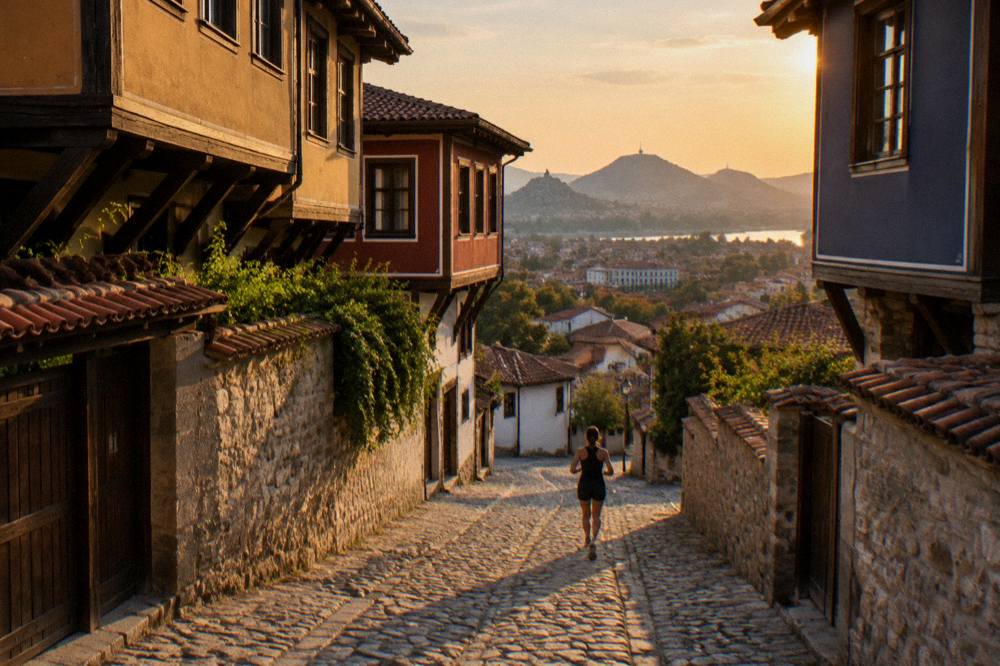
The Main Street is where the practical city and the ancient one sit closest together. Spend a slow hour on it, look down at the stadium rows breaking through the paving, look up at the hills, and the rest of Plovdiv arranges itself around that single line.
Common Questions About Plovdiv Main Street
Is Plovdiv Main Street free to walk?
Yes. Knyaz Alexander I Street is a public pedestrian street with no ticket, and the Roman Stadium sphendone viewing, the Dzhumaya Mosque, Hisar Kapia and Kapana are all free. Only the interior sites, the 3D hall, the Eastern sector, the theatre and the museum houses, charge entry.
How long does Plovdiv Main Street take to walk?
The pedestrian stretch itself is a short, flat walk end to end, but with the stadium viewing, the mosque, Hisar Kapia and time in Kapana, plan on two to three hours at an unhurried pace, more if you continue uphill into the Old Town and Nebet Tepe.
What is the Roman ruin in the middle of Plovdiv Main Street?
It is the northern curve, the sphendone, of the Roman Stadium of Philippopolis, built in the 2nd century AD on the model of the Stadium at Delphi. Only this northern part is accessible, unearthed in the 1970s; the rest of the stadium still lies beneath the modern street.
Can you visit the Dzhumaya Mosque?
Yes, it is free and open to visits from 6:00 to 23:00. Dress modestly with shoulders and knees covered, remove shoes inside, and avoid the main Friday prayer around midday. No single construction year is recorded; estimates range across late medieval and early Ottoman centuries.
What currency do you need on Plovdiv Main Street?
The euro only.
Is Plovdiv Main Street good at night?
Yes, the pedestrian stretch, Kapana and Central Square are the centre's evening zone, with cafes and bars open late. During the Christmas season the square holds the Christmas in Plovdiv market, with the 2026/27 edition running 1 December 2026 to 7 January 2027.
